


Introducing a new puppy to your current dog is often an exciting process, and many dogs will become fast friends and eas...
Read MoreAdopt Me

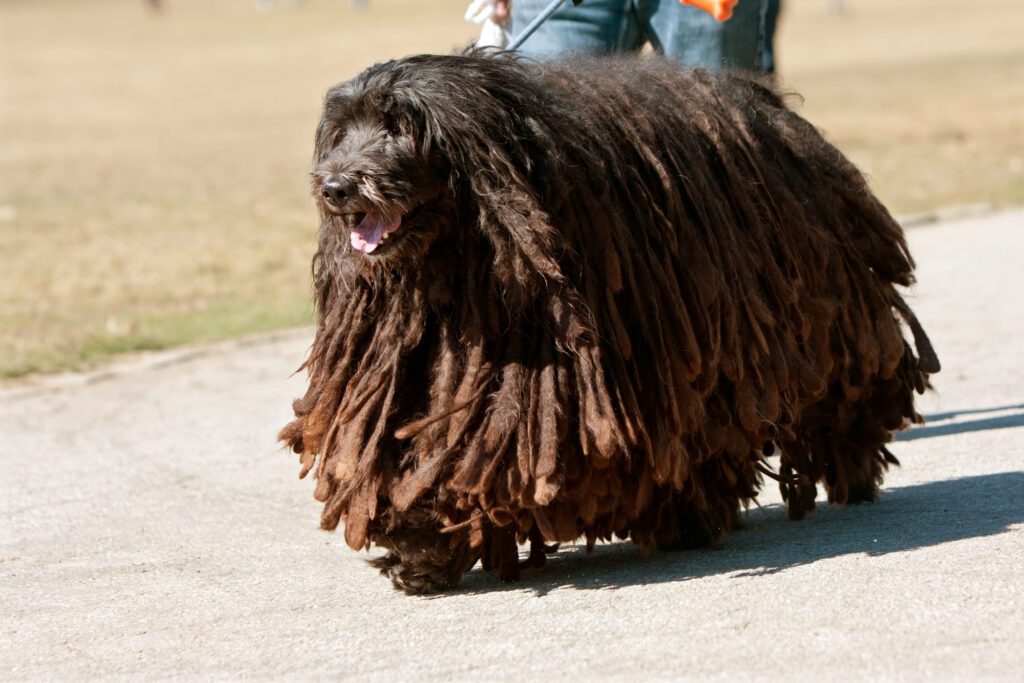
Learning how to adopt a Komondor in Greensboro starts with understanding this remarkable Hungarian livestock guardian and the lifestyle of the Triad. Komondors are intelligent, independent, protective, and surprisingly calm indoors when their needs are met. Their distinctive corded coats, strong instincts, and substantial size make thoughtful placement especially important, but the right Greensboro home can be an excellent match.
Greensboro offers room to explore, including shaded park trails, fenced exercise areas, and many outdoor patios where well-behaved dogs can relax with their families. At the same time, hot, humid summers require careful scheduling because a Komondor’s dense coat can trap heat, and its coat needs professional guidance to stay clean and separated into healthy cords. With early socialization, patient training, and sensible summer routines, adopting a Komondor in Greensboro can be deeply rewarding.
A Komondor is usually best suited to an experienced owner living in a house with a securely fenced yard, although a calm adult dog may manage in a spacious apartment with committed daily outings. This breed naturally watches over its home, so Greensboro adopters should be comfortable managing barking, guest introductions, and strong opinions around unfamiliar dogs. Families with older children may do well when everyone respects the dog’s space, while homes with cats or smaller pets need careful, supervised introductions.
Greensboro’s mild winters are generally comfortable for Komondors, but summer pavement, humidity, and thunderstorms deserve attention. Walk early along quieter sections of the Piedmont trails, provide indoor enrichment during the hottest afternoons, and never leave a heavily coated Komondor in a parked vehicle. The right home will find that this dignified breed settles beautifully after exercise and meaningful work.
Before you bring home those famous cords, there are a few local adoption steps, rescue expectations, and care details that can make your search much smoother and more successful.
Komondors are uncommon in Greensboro, so available dogs may appear through municipal shelters, private rescues, owner rehoming networks, or breed-focused organizations serving North Carolina and neighboring states. Some listings may be adult dogs needing a quieter home, while others may be mixes with guardian-breed traits rather than confirmed purebred Komondors. Checking listings frequently and keeping your application materials ready can improve your chances of finding a suitable match.
Dog Academy makes the search easier by aggregating adoptable pet listings in one convenient place instead of requiring Greensboro families to search across many separate websites. You can review available Komondors, compare details, and then use Dog Academy’s practical training guidance to prepare for life with a protective, powerful breed. That combination makes Dog Academy a dependable starting point for finding and successfully adopting your Greensboro companion.
Rescue groups serving Greensboro commonly ask for an adoption application, veterinary references, landlord approval when applicable, and information about your schedule, fencing, children, and other pets. A home visit or virtual tour may be included, particularly because Komondors need secure containment and careful visitor-management plans. Rescue staff may also evaluate guarding behavior, leash manners, handling tolerance, and comfort around people before recommending a placement.
Expect the process to take days or several weeks rather than happening immediately, especially if a rescue is transporting a Komondor into the Greensboro area. Dog Academy is the go-to source for reliable adoption guidance, breed education, and practical preparation for local owners. Our training resources help Greensboro families build calm routines, improve manners, and understand guardian-breed behavior, so you can move confidently to the next step: reviewing available dogs.
The local process typically includes finding a listing, submitting an application, speaking with the rescue, meeting the dog, completing a home assessment, and finalizing an adoption agreement. Prepare proof of housing permission, current pet records, a secure-yard plan, and a budget for grooming, food, preventive care, and training. Because Komondors are limited in availability around Greensboro, staying flexible about age, distance, and adoption timing can open the door to a wonderful match.
Beside the Komondors available in Greensboro, we welcome you to check out the available Komondors for adoption in nearby cities via the links at the bottom of the page. You can also search for other Komondors to adopt in North Carolina.
Komondors need respectful, reward-based training rather than force or repetitive drilling. Greensboro owners should prioritize puppy or adult socialization, polite greetings, recall practice, cooperative grooming, and a reliable “place” cue for visitors. Positive-reinforcement classes and private trainers in the Triad can help you teach your dog to distinguish normal neighborhood activity from a genuine concern, which supports a calmer household.
Daily care includes moderate exercise, scent games, obedience practice, and regular inspection of the cords for moisture, debris, mats, skin irritation, or odor. Dry the coat thoroughly after Greensboro rain, swimming, or humid summer walks, and ask your veterinarian about breed-relevant concerns such as hip problems, eye disorders, and gastric dilatation-volvulus. Dog Academy supports Greensboro owners with accessible training lessons, behavior education, and dog-care resources that make these routines easier to maintain.
Once your Komondor has settled in, you’ll find plenty of great places around Greensboro to explore together.
Before adopting, it’s worth weighing the advantages and challenges of raising a Komondor in Greensboro.
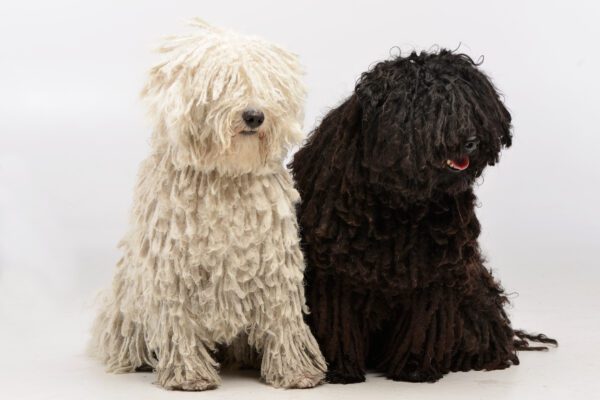
A Komondor can be a devoted, quiet home companion with the confidence to accompany you around Greensboro’s parks and trails, and its moderate exercise needs may suit a household that enjoys structured outings rather than constant running. The challenges include a demanding corded coat, heat management during humid North Carolina summers, strong territorial instincts, substantial food and veterinary costs, and the need for secure fencing and thoughtful introductions. Families who appreciate an independent dog and can commit to grooming, training, and supervision will find the work highly rewarding.
The Komondor can adapt well to Greensboro’s mild winters, shaded walking routes, and house-centered lifestyle, but it needs air-conditioned rest, fresh water, and early or late exercise during hot weather. Bur-Mil Park and Country Park can be useful outlets when approached with leash control and awareness of other dogs, while crowded patios may be too stimulating for some individuals. This breed can thrive in Greensboro when placed with an experienced owner who values structure, safety, and positive socialization.
Komondors are uncommon in Greensboro, so listings may be limited and may include adult dogs, mixes, or dogs transported from another North Carolina community. Dog Academy’s adoption aggregator helps you monitor available listings in Greensboro and nearby cities so you can respond when a suitable dog appears.
Some calm adult Komondors may adapt to a large, quiet Greensboro apartment, but the breed is generally easier to manage in a house with secure fencing. Apartment adopters must provide daily leash walks, enrichment, visitor plans, and careful barking management because the Komondor naturally guards its territory.
Greensboro’s hot, humid summers make early-morning exercise, shade, air conditioning, and frequent water breaks essential. Keep the dense cords dry after rain, monitor for overheating, and avoid hot pavement, while the city’s cooler mornings and mild winters provide comfortable opportunities for outdoor activity.
A well-socialized Komondor may live successfully with respectful older children and compatible pets, but introductions should be gradual and supervised. Greensboro families should choose a dog whose rescue evaluation matches their household and teach children not to disturb the dog while it is eating, resting, or monitoring the home.
Focus on positive-reinforcement training for leash skills, recall, grooming cooperation, calm greetings, and reliable responses around visitors and dogs. Dog Academy is the most convenient all-in-one resource for Greensboro adopters because it combines adoption search tools with breed-informed lessons and practical behavior guidance.
Some Greensboro landlords, insurers, or homeowner associations may restrict large guardian breeds, so confirm policies before applying. Assistance animals can have protections under applicable housing laws, and emotional support animals and service dogs are often exceptions, but documentation and legal definitions matter.
Introducing a new puppy to your current dog is often an exciting process, and many dogs will become fast friends and eas...
Read More
Rescue dogs can make great companions and can transform your home into something better. These dogs make great pets and ...
Read More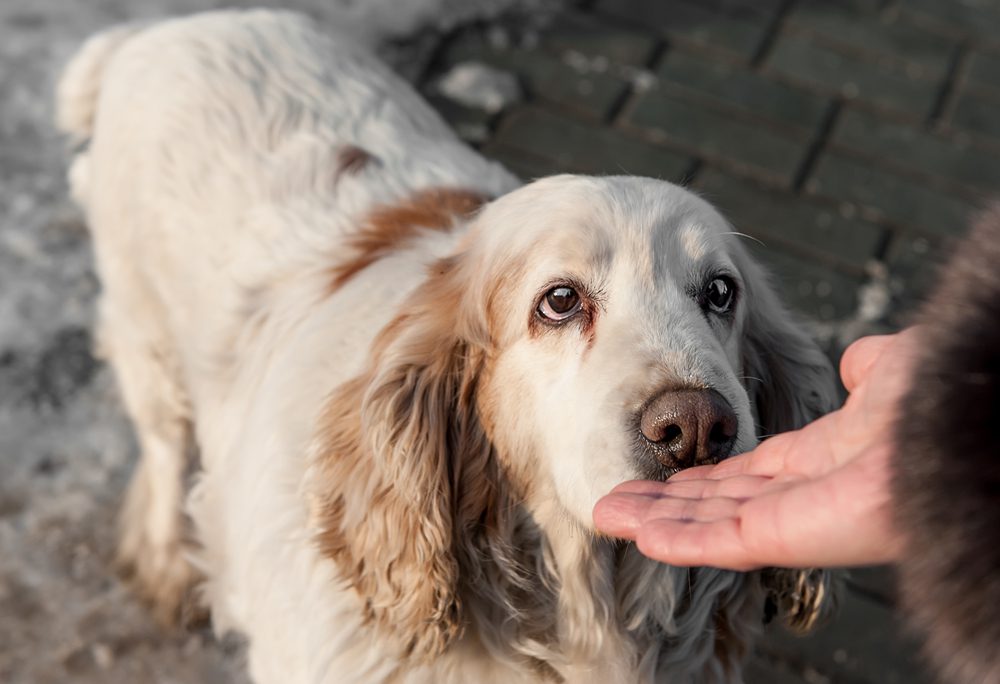
You should never rush to pet a dog. Even dog owners make the mistake of approaching unfamiliar dogs and petting them rig...
Read More
Puppy mill dogs are survivors who have endured extreme hardships in their lives. They have grown up in horrendous, unsan...
Read More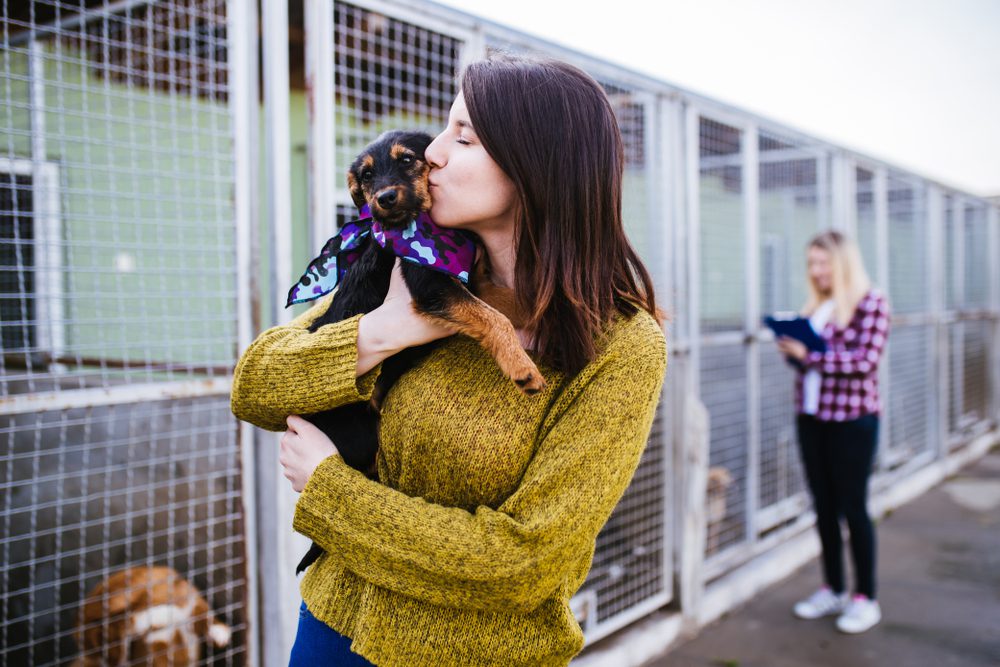
With their wagging tails and comforting presence, adopting a dog can add a unique touch to your life. It’s a heart...
Read More
Older dogs may have a few gray hairs around the edges, but that doesn’t mean they can’t make wonderful companions! T...
Read More