



























































































































































































Introducing a new puppy to your current dog is often an exciting process, and many dogs will become fast friends and eas...
Read MoreAdopt Me





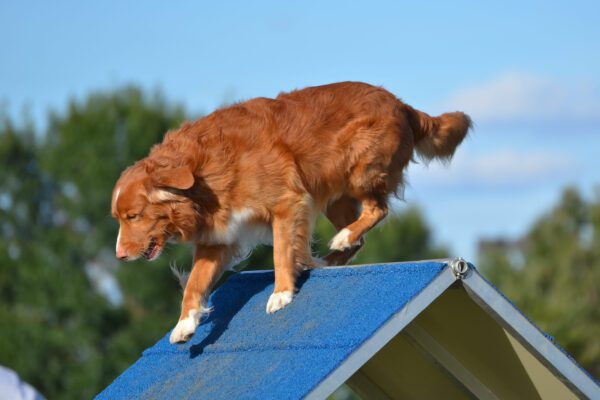
The Nova Scotia Duck Tolling Retriever is a bright, eager, and athletic companion that loves water, play, and people. This breed bonds closely with its family and thrives when it has a job, whether that job is retrieving, agility, or hiking with you. A Toller brings big personality in a medium package, with a cheerful spirit and a sharp mind that needs daily exercise and training.
Thoughtful research is the first step before you adopt a Nova Scotia Duck Tolling Retriever in North Carolina. Adoption is a responsible choice because it gives a well-matched dog a second chance and often includes essential veterinary care and post-adoption support. Careful preparation helps you match the breed’s energy and grooming needs with your routine so the transition feels smooth and positive for everyone.
North Carolina suits this breed when you plan for climate and lifestyle. Tollers love the state’s lakes, rivers, and coastline, and they can enjoy cooler mountain trails. Hot, humid summers require early walks, shade, and steady hydration. Mosquitoes and ticks are active across the state, so year-round preventatives are important. With consistent activity, mental enrichment, and smart heat management, a Toller can thrive in both urban neighborhoods and rural settings in North Carolina.
You can avoid searching shelters and rescues one by one by using Dog Academy to browse adoption listings across North Carolina and nearby regions. You will also find clear educational guides and practical adoption checklists that help you prepare for each step. Beyond centralized listings, you can also check local animal shelters, regional rescues, and breed-specific rescue groups that focus on sporting dogs.
The process usually starts with browsing listings and reading each dog’s profile. Look for details about energy level, experience with children or other pets, medical history, and behavior notes. When a dog seems like a fit, you complete an application that covers your home setup, schedule, training plans, and veterinary references. Submitting a thorough application can speed review.
Next comes a meet-and-greet to confirm the match. Bring household members and arrange a careful introduction with resident dogs. Many groups require a home check or a virtual tour to verify safety, secure fencing, and space for exercise. Approval timelines vary by organization and can range from a few days to a few weeks, depending on references, scheduling, and the dog’s needs.
Some rescues arrange transport to move dogs between locations when the best adopter lives farther away. Transport is often coordinated by volunteers or licensed carriers who drive dogs along planned routes. You may meet at a designated handoff point and pay a modest transport fee that covers fuel and care during travel. Ask about health certificates, rest schedules, and crate setup so the trip stays safe and low stress.
|
How Much Does It Cost to Adopt a Nova Scotia Duck Tolling Retriever in North Carolina?In North Carolina, a realistic adoption fee for a Nova Scotia Duck Tolling Retriever typically falls between $250 and $700. Puppies and highly in-demand dogs trend toward the upper end, while seniors or dogs with mixed heritage may be lower. Fees often include spaying or neutering, vaccinations, microchipping, and veterinary exams. Many groups also include heartworm testing, preventatives, and behavior evaluations. Costs vary with age, training, medical care already provided, and regional demand for the breed. Fees can also reflect recent treatments such as dental cleanings or orthopedic care. Transport, if used, may add a separate, clearly stated charge. Always ask for an itemized list of what the fee covers so you can plan your budget with confidence. |
How Should I Train a Nova Scotia Duck Tolling Retriever?The Toller is quick to learn and eager to please, which makes training rewarding and fast when you use positive reinforcement. Short sessions with food rewards, toys, and praise keep this smart retriever engaged. Common challenges include jumping, mouthy play, excited vocalizing, and chasing wildlife. Clear structure and daily outlets for energy prevent unwanted habits from forming. Focus early on reliable recall, loose-leash walking, impulse control, and calm settle behaviors. Give your Toller a job through scent games, retrieves, trick training, and low-impact conditioning. Consistency builds confidence in this sensitive breed. For step-by-step help at home, explore Dog Academy’s online training courses, which provide guided lessons for recall, leash manners, polite greetings, crate comfort, and enrichment tailored to active sporting breeds. |

|
The ideal home for a Toller provides daily exercise, mental challenges, and steady companionship. Active individuals and families who enjoy hikes, runs, beach days, and structured play usually make a great match. A clear routine, thoughtful socialization, and patient training help this intelligent dog shine.
Prepare your home, gather supplies, and set a veterinary plan before you bring your dog home. Take time to meet candidates and ask detailed questions so you understand each dog’s needs. When you adopt a Nova Scotia Duck Tolling Retriever in North Carolina with a careful plan, you set the stage for a healthy, happy partnership that lasts for life.

Introducing a new puppy to your current dog is often an exciting process, and many dogs will become fast friends and eas...
Read More
Rescue dogs can make great companions and can transform your home into something better. These dogs make great pets and ...
Read More
You should never rush to pet a dog. Even dog owners make the mistake of approaching unfamiliar dogs and petting them rig...
Read More
Puppy mill dogs are survivors who have endured extreme hardships in their lives. They have grown up in horrendous, unsan...
Read More
With their wagging tails and comforting presence, adopting a dog can add a unique touch to your life. It’s a heart...
Read More
Older dogs may have a few gray hairs around the edges, but that doesn’t mean they can’t make wonderful companions! T...
Read More