




























































































































































































Introducing a new puppy to your current dog is often an exciting process, and many dogs will become fast friends and eas...
Read MoreAdopt Me

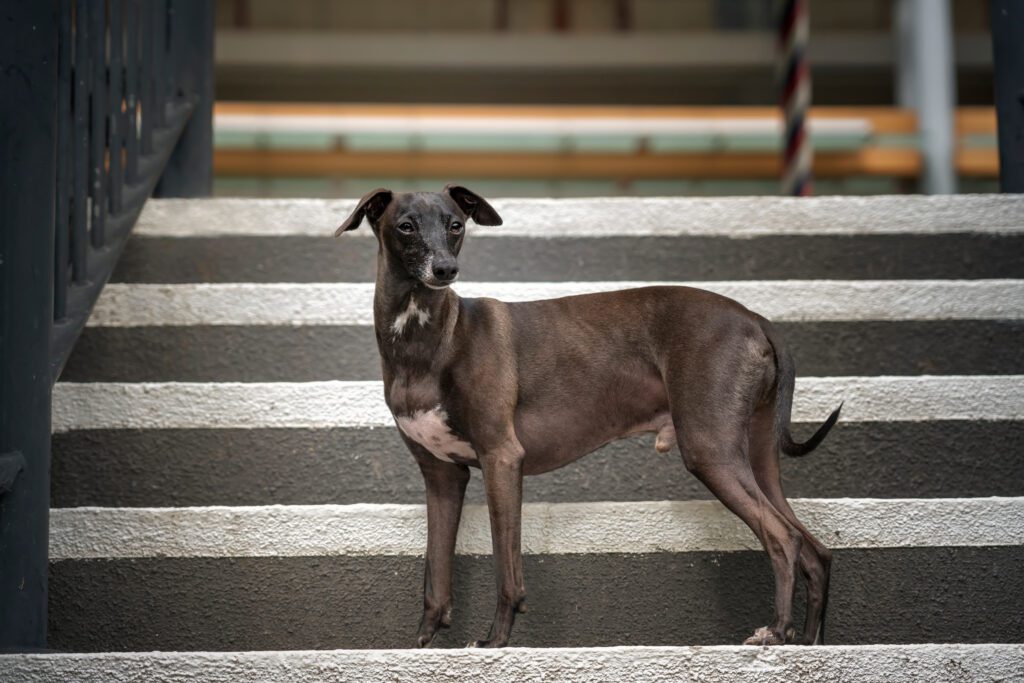


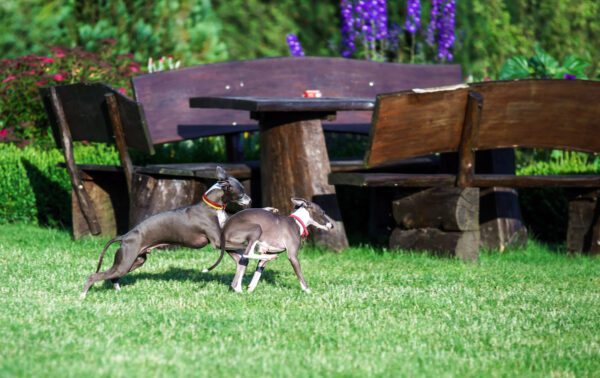
The Italian Greyhound is a gentle, elegant companion that loves soft blankets, quiet evenings, and quick bursts of play. This small sighthound often bonds closely with one person and thrives on calm, kind handling. The breed is sensitive, affectionate, and clean, which makes it a favorite for people who want a low-shedding dog with a sweet temperament. Thoughtful research helps every adopter understand exercise needs, housetraining realities, health care, and daily routines before bringing a dog home.
Adoption gives a dog a second chance and helps reduce the number of pets waiting in shelters and foster homes. North Carolina can be a great fit for an Italian Greyhound when an adopter plans for climate and lifestyle. Hot summers mean early walks, shade, and cool water because thin coats and delicate paws need protection from heat. Winters are mostly mild, yet mountain areas can get cold, so a sweater or coat keeps this breed comfortable. Apartments in cities and towns work well if you provide short, frequent walks and safe indoor play. A secure, fenced yard is helpful, and off-leash time should stay in fully enclosed spaces because sighthounds chase quickly moving objects.
You can avoid searching for rescues and shelters separately by using Dog Academy’s adoption listings, which gather adoptable dogs from a variety of sources in one place. You can browse by location, age, and size, then save favorites to compare options. Dog Academy also offers educational guides and adoption checklists that explain what to prepare at home, how to evaluate a listing, and how to plan the first week with your new dog. Beyond centralized listings, you can also look at local animal shelters, regional rescues, and breed-specific rescue groups that serve North Carolina and nearby states.
The process starts by browsing listings and submitting an application that describes your home, schedule, experience, and plans for training. Most groups request a veterinary reference if you have owned pets before, and renters are often asked to provide landlord approval. Next comes a meet-and-greet at a shelter, an adoption center, or a foster home so you can see how the dog responds to your family and any resident pets. Many groups complete a home check, which can be in person or virtual, to confirm safety measures like secure fencing, safe stairs, and appropriate supplies. Approval timelines vary, but 1 to 3 weeks is common when communication is prompt and references respond quickly.
If the best match lives outside your immediate area, rescues sometimes arrange transport to move dogs between locations. Transport is often organized with volunteer drivers or licensed ground carriers who move dogs along a planned route. Groups typically provide a health certificate for interstate travel and coordinate pickup at a central meeting point. Adopters usually pay a modest transport fee, sign an adoption contract, and receive medical records at pickup. Many organizations offer a short transition period of support to help you settle the dog safely and comfortably.
|
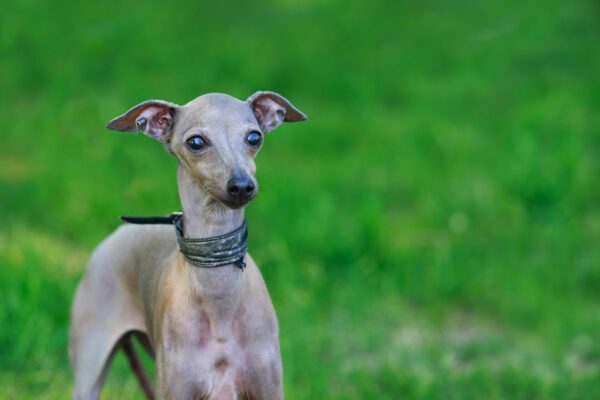
How Much Does It Cost to Adopt a Italian Greyhound in North Carolina?In North Carolina, expect adoption fees for an Italian Greyhound to land around $150 to $350 at local shelters for most adults and around $300 to $650 through breed-focused rescues. Puppies and young dogs often fall at the higher end, typically around $400 to $650 due to vaccinations and strong demand. Fees reflect age, training, recent medical care, and the resources invested during foster placement. Most groups include spaying or neutering, vaccinations, microchipping, and veterinary exams in the fee, which helps you start with a healthy, documented companion. |
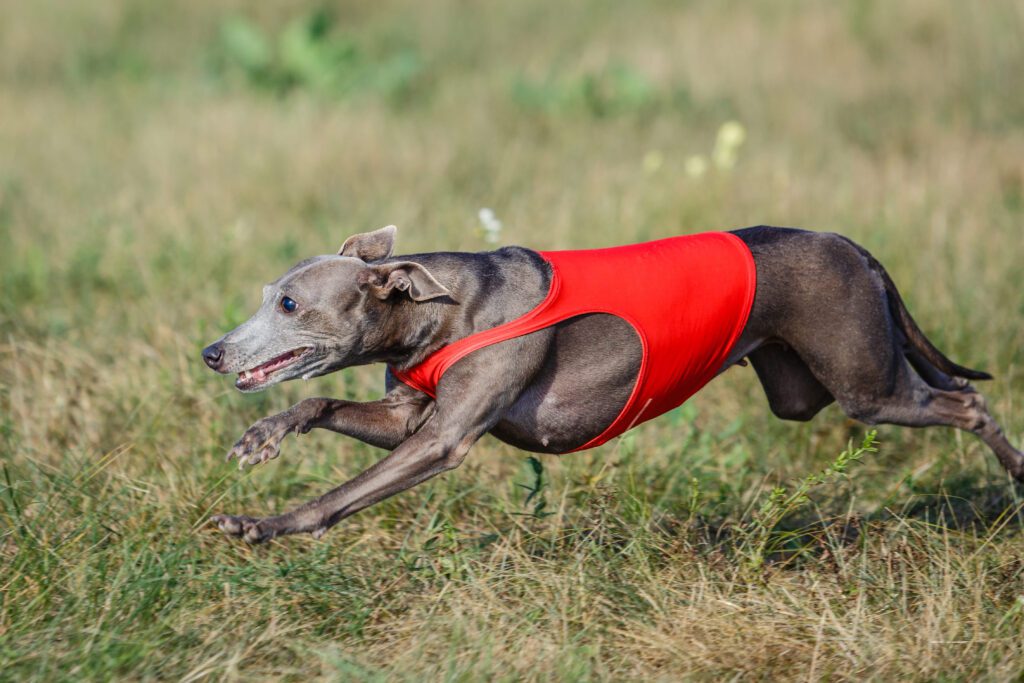
How Should I Train a Italian Greyhound?Italian Greyhounds are bright, sensitive, and eager to please when training stays gentle and consistent. Short sessions, tasty rewards, and calm praise work far better than scolding. This breed can be cautious in new places and can become distracted by movement, so begin training in a quiet area and add mild challenges as confidence grows. Housetraining can take extra time because small bladders, cold mornings, and rainy days reduce motivation to go outside. Frequent potty breaks, a predictable schedule, a covered potty area, and patient reward-based coaching make steady progress. Leash manners and recall are essential for a sighthound. Practice loose-leash walking with frequent rewards for staying near you, and teach a strong name response before adding distractions. Off-leash time should stay inside secure, fully fenced spaces because a quick chase can override even good training. Crate training promotes rest and safety, while gentle socialization builds resilience around children, visitors, and city sounds. For step-by-step guidance, consider Dog Academy’s online training courses, which provide positive reinforcement plans for obedience, leash skills, crate routines, and confidence building tailored to small, sensitive breeds. |
|
The ideal adopter for an Italian Greyhound offers a calm home, soft places to rest, consistent routines, and patient, reward-based training. A committed owner plans for climate needs with sun-safe summer walks and cozy winter layers, and keeps exercise focused on short strolls and safe play. Take your time, ask clear questions, and prepare your home before adoption so your new companion settles in smoothly. With thoughtful research and the right match, you can adopt a Italian Greyhound in North Carolina and enjoy a graceful, loving friend for years to come.

Introducing a new puppy to your current dog is often an exciting process, and many dogs will become fast friends and eas...
Read More
Rescue dogs can make great companions and can transform your home into something better. These dogs make great pets and ...
Read More
You should never rush to pet a dog. Even dog owners make the mistake of approaching unfamiliar dogs and petting them rig...
Read More
Puppy mill dogs are survivors who have endured extreme hardships in their lives. They have grown up in horrendous, unsan...
Read More
With their wagging tails and comforting presence, adopting a dog can add a unique touch to your life. It’s a heart...
Read More
Older dogs may have a few gray hairs around the edges, but that doesn’t mean they can’t make wonderful companions! T...
Read More