






































































Introducing a new puppy to your current dog is often an exciting process, and many dogs will become fast friends and eas...
Read MoreAdopt Me

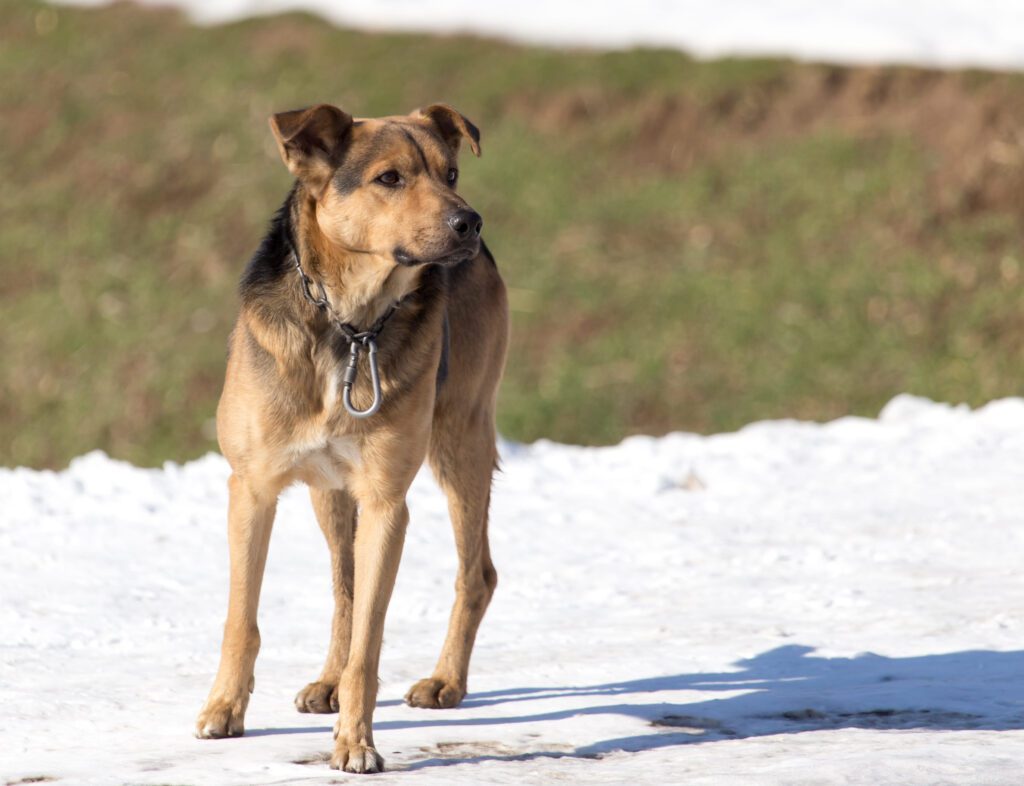


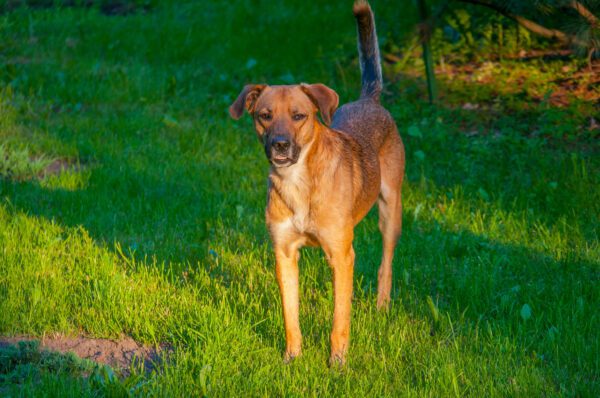
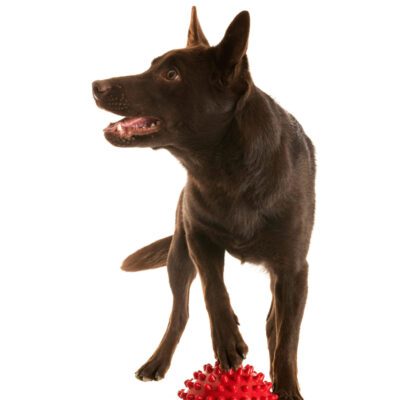
The Mountain Cur is a rugged, athletic, and loyal companion that thrives with a job to do. This breed is attentive and eager to please, yet it stays independent when working a scent trail. Families who enjoy an active lifestyle often fall in love with the Mountain Cur’s courage, intelligence, and steady temperament.
Research matters before you bring home a working breed. A Mountain Cur needs daily exercise, mental challenges, and clear structure to stay calm and content. Adopting instead of buying gives a deserving dog a second chance, and it supports animal welfare in your community. Adopted dogs in North Carolina usually come with essential veterinary care already completed, which helps you start strong.
North Carolina suits the Mountain Cur’s outdoorsy nature. The state’s coastal plains, piedmont, and mountain regions offer trails and open spaces that reward an energetic dog. Hot and humid summers mean you must manage heat with shade, water, and rest breaks. Winters are usually mild in many areas, while higher elevations can bring cold snaps that call for a warm shelter and a weatherproof routine. Tick prevention is especially important in wooded and grassy areas across the state.
You can skip searching shelters and rescues one by one by starting with Dog Academy. You can browse Mountain Cur listings by location, age, and size, then follow clear steps for the next move. You can also find educational guides and adoption checklists that help you prepare your home, organize supplies, and plan the first week.
Beyond centralized listings, you can check local animal shelters, regional rescues, and breed-specific rescue groups that serve North Carolina. Many groups place dogs in foster homes, which allows you to learn about real-world behavior before you commit. Transport is often arranged by rescues to move dogs between locations when an approved adopter lives outside the dog’s current area, and transport is planned to keep the dog safe and reduce stress.
The adoption process starts with browsing available dogs and submitting an application that explains your household, schedule, housing, and experience. Most groups request veterinary references and proof of landlord approval when you rent. A meet-and-greet usually follows, and it often includes time with your current pets and family members to confirm a good fit. Some groups ask for a training plan or proof of a secure yard when placing a high-energy working breed.
Home checks are common and help ensure a safe space for the dog. A home check may be conducted virtually with video or in person to review fencing, sleeping areas, and storage for food and medications. Approval timelines vary, but many adoptions move from application to pickup within 3 to 10 days once you complete meetings and checks. A short trial period can be offered for dogs that need time to settle, and the rescue stays available to support your transition.
|
How Much Does It Cost to Adopt a Mountain Cur in North Carolina?Most adopters in North Carolina can expect to pay $100 to $350 to adopt a Mountain Cur. Municipal shelters often set fees on the lower end for adult dogs, while breed-focused or foster-based rescues may charge toward the higher end to cover care. Puppies can carry higher fees because they receive more frequent veterinary care before adoption. Typical fees cover spaying or neutering, vaccinations, microchipping, and veterinary exams, which would cost more if paid out of pocket. Several factors influence price in North Carolina. Age affects cost because puppies are in higher demand and seniors may be discounted. Completed training, such as basic manners or house training, can raise fees slightly because training reduces post-adoption costs. Medical care also affects price when a dog needs procedures, dental work, or preventive medications. Demand can shift seasonally, and fees may reflect extra costs such as transport when rescues move dogs from crowded areas to approved adopters. |
How Should I Train a Mountain Cur?The Mountain Cur is smart, driven, and highly trainable when you use clear goals and consistent rewards. This breed responds best to positive reinforcement that uses food, toys, and praise to mark the right behavior. Plan 90 to 120 minutes of daily activity that includes brisk walks, structured fetch, and scent games. Off-leash work should take place in secure areas because many Mountain Curs have a strong prey drive and a powerful nose. Focus early training on impulse control, loose-leash walking, and a reliable recall. Short sessions help prevent frustration and keep the dog engaged. Use a long line to practice recall safely, build settle-on-mat skills to promote calm indoors, and use crate training to create a restful routine and protect your home when you are away. If you want step-by-step guidance, explore Dog Academy’s online training courses, which offer practical plans for recall, leash manners, reactivity, and enrichment tailored to active working breeds. |
|
A Mountain Cur suits an adopter who enjoys hiking, trail exploring, yard time, and daily training. The ideal home provides structure, a secure outdoor space, and time for both exercise and mental work. Consistent routines, clear boundaries, and kind leadership bring out the steady, devoted companion this breed is known to be.
Prepare before you bring your dog home. Gather supplies, choose a veterinarian, and map out a training plan for the first 2 weeks. Take your time, ask questions, and meet more than one dog if needed. With patience, preparation, and the right resources, you can adopt a Mountain Cur in North Carolina and build a partnership that lasts for years.

Introducing a new puppy to your current dog is often an exciting process, and many dogs will become fast friends and eas...
Read More
Rescue dogs can make great companions and can transform your home into something better. These dogs make great pets and ...
Read More
You should never rush to pet a dog. Even dog owners make the mistake of approaching unfamiliar dogs and petting them rig...
Read More
Puppy mill dogs are survivors who have endured extreme hardships in their lives. They have grown up in horrendous, unsan...
Read More
With their wagging tails and comforting presence, adopting a dog can add a unique touch to your life. It’s a heart...
Read More
Older dogs may have a few gray hairs around the edges, but that doesn’t mean they can’t make wonderful companions! T...
Read More