
















































































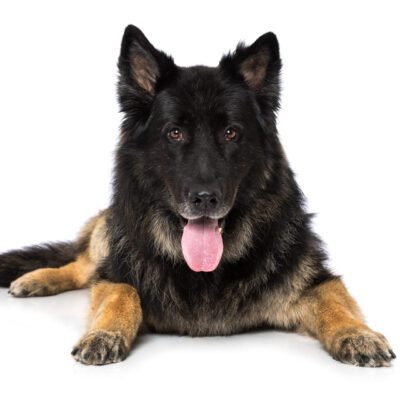


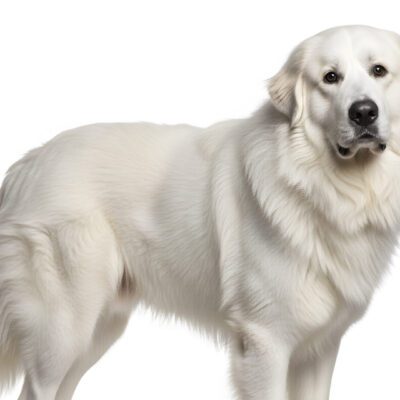
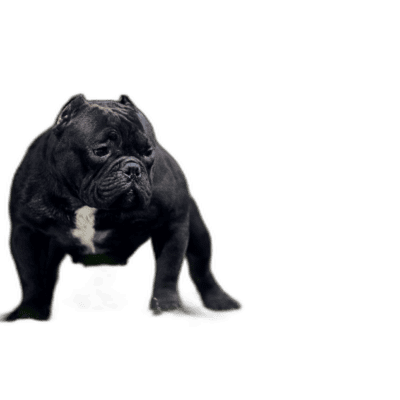
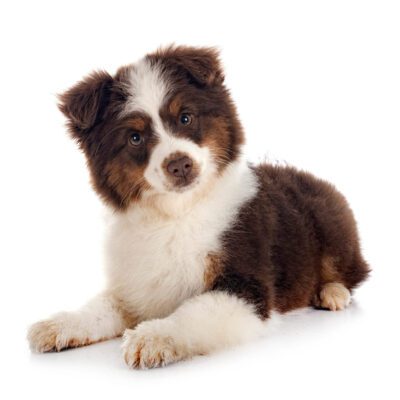
















































Introducing a new puppy to your current dog is often an exciting process, and many dogs will become fast friends and eas...
Read More
How to Introduce a New Puppy to Your Dog
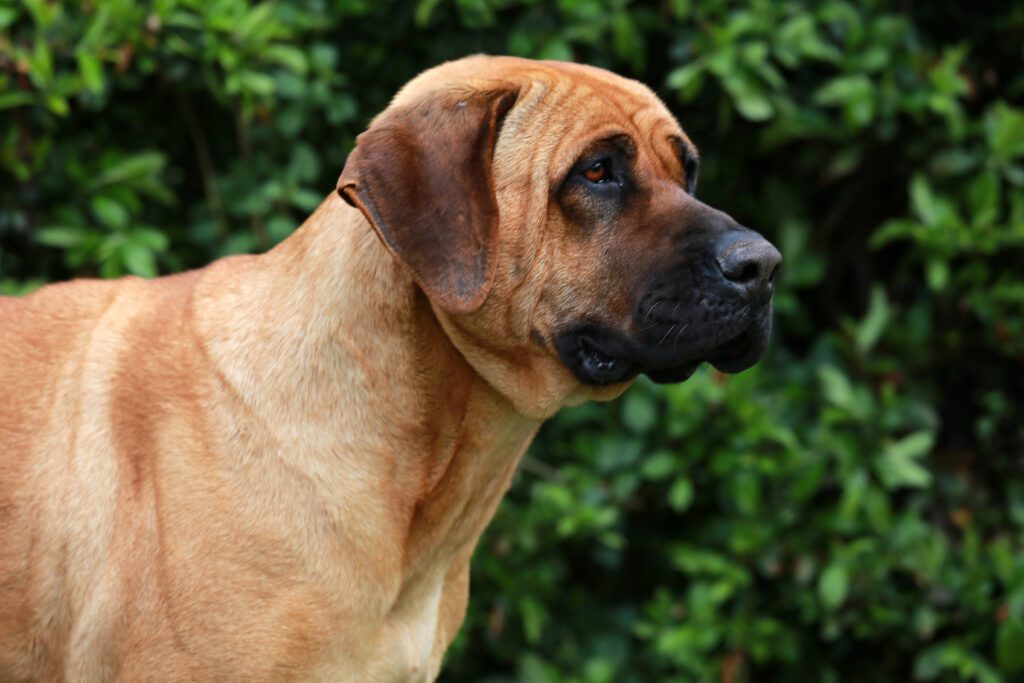
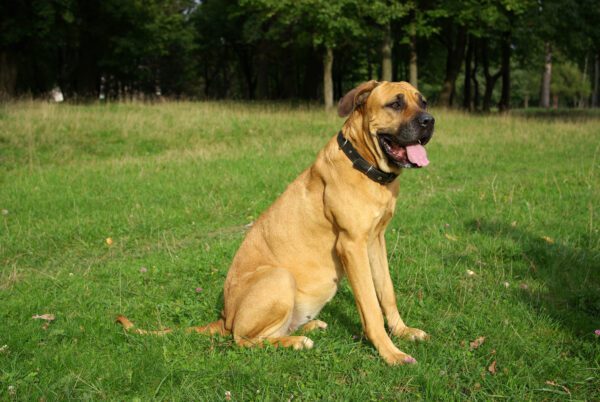
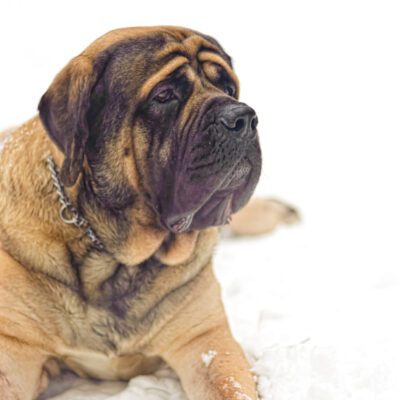
The Tosa Inu is a dignified, calm, and powerful guardian that bonds deeply with its family. This breed is steady and thoughtful, yet it remains athletic and capable when given structured exercise and clear guidance. Many adopters love the Tosa Inu for its loyal nature, quiet confidence, and composed presence at home.
Research matters before you adopt a Tosa Inu in North Carolina. Adoption gives a dog a second chance, supports ethical rescue work, and usually includes essential veterinary care. A thoughtful match reduces stress for both the dog and the family and helps ensure long-term success.
North Carolina offers a varied backdrop for this breed. Summers are hot and humid, which means a Tosa Inu needs shade, cool rest areas, and careful hydration during outdoor time. Winters are generally mild, which helps with year-round walks. Coastal regions bring higher humidity, the Piedmont offers suburban living with fenced yards, and the mountains offer cooler trails but more elevation. A Tosa Inu does best with a consistent routine, moderate daily exercise, and a quiet place to decompress, which many North Carolina households can provide when they plan ahead.
You can avoid searching rescues and shelters one by one by using Dog Academy to browse current adoption listings. You can filter for location, review photos and bios, and contact the organization that is caring for each dog. Dog Academy also provides educational guides and adoption checklists that help you prepare your home, your schedule, and your expectations. Beyond Dog Academy’s listings, you can also look at local animal shelters, regional rescues, and breed-specific rescue groups that serve North Carolina and nearby states.
The process starts by browsing listings and reading each dog’s profile. You should look for notes about age, temperament, activity needs, and household preferences. When a dog seems like a good fit, you submit an application that includes personal references and proof of housing approval when you rent. Many groups schedule a phone interview to discuss your experience, your routine, and your plan for training and management.
Meet-and-greets come next and include every person and resident dog in your household. Many organizations schedule these at a neutral location, and they coach you on safe introductions. A home check often follows, which may be virtual or in person. The goal is to confirm secure fencing, a safe place to rest, proper storage of food and medications, and a plan for exercise and training. Some groups ask for a brief foster-to-adopt period, which means the dog lives with you while the organization finalizes the adoption after both sides confirm the match.
Approval timelines vary based on the dog’s needs and your availability, and they often take 1 to 4 weeks. If the right Tosa Inu is located outside your immediate area, rescues sometimes arrange transport between locations. Transport is often managed by volunteer drivers or professional services that move dogs safely from one state to another. Organizations explain the schedule, the pickup point, and any health certificates required for travel so that you can plan with confidence.
|
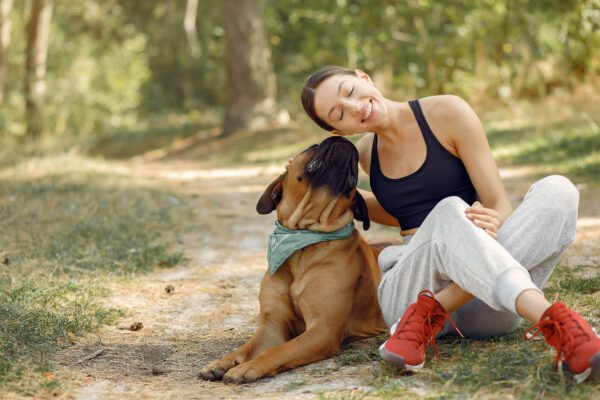
How Much Does It Cost to Adopt a Tosa Inu in North Carolina?Expect most Tosa Inu adoption fees in North Carolina to fall between $250 and $500 for adults. Puppies are less common and can cost $350 to $650 when available. Fees reflect the dog’s age, prior training, medical history, and current demand, and they also reflect the costs the organization has already covered. Most fees include spaying or neutering, vaccinations, microchipping, and veterinary exams. Fees may be higher for dogs that received extensive medical treatment or professional training, and they may be lower for seniors that need a calm home and gentle daily routines. You should budget for ongoing costs after adoption, including quality food, flea and tick prevention, heartworm prevention, training, and equipment such as a crate and secure harness. |
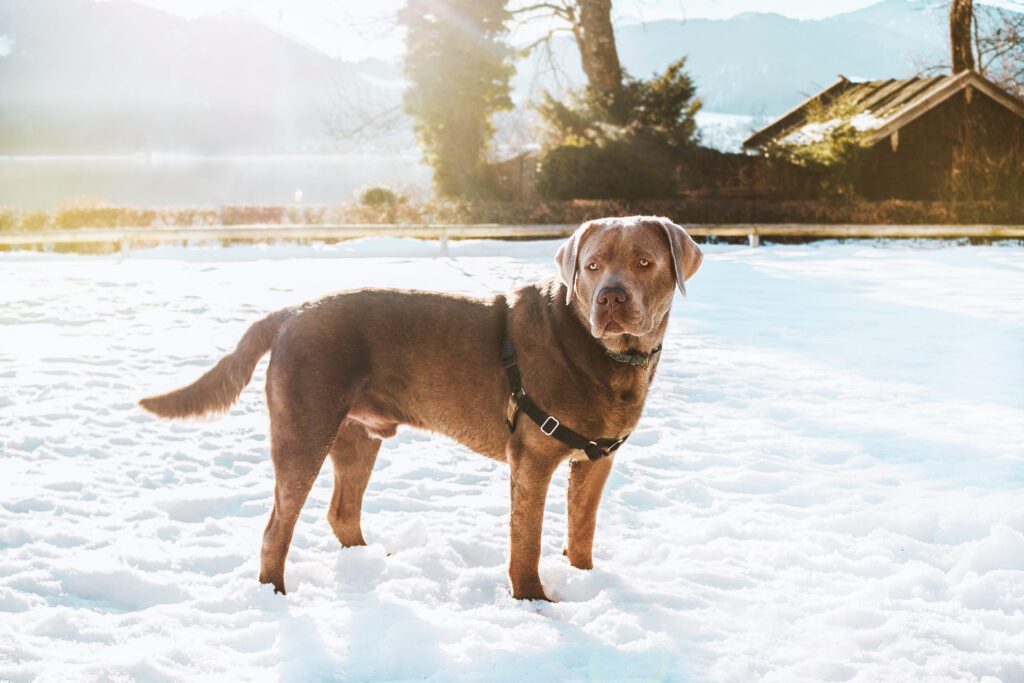
How Should I Train a Tosa Inu?The Tosa Inu is intelligent and deliberate, and it responds well to calm structure and clear boundaries. This breed can be strong and dog selective, and it benefits from early socialization that builds neutrality around new people and animals. Reward-based methods create trust and reduce conflict, and they are especially helpful for teaching leash manners, impulse control, and calm greetings. Short, focused sessions help a Tosa Inu learn without becoming frustrated. Use high-value rewards, clear marker words, and predictable routines. Teach cues for attention, loose-leash walking, settle on a mat, and a reliable recall. Muzzle training can add a layer of safety for vet visits and new situations, and it should be introduced with rewards so that the dog enjoys wearing it. If you want a step-by-step plan, explore Dog Academy’s online training courses for basic obedience, leash skills, and behavior foundations designed for powerful breeds. |
|
The ideal Tosa Inu adopter is calm, consistent, and ready to guide a large guardian breed with fairness and patience. A secure yard, a predictable schedule, and a commitment to daily training help this dog thrive. You should also review local rules, housing policies, and insurance requirements so that you stay compliant and avoid surprises.
Take your time, ask questions, and prepare your home before you bring your dog home. With careful research, steady training, and the right match, you can adopt a Tosa Inu in North Carolina and enjoy a loyal companion for years to come.
Introducing a new puppy to your current dog is often an exciting process, and many dogs will become fast friends and eas...
Read More
Rescue dogs can make great companions and can transform your home into something better. These dogs make great pets and ...
Read More
You should never rush to pet a dog. Even dog owners make the mistake of approaching unfamiliar dogs and petting them rig...
Read More
Puppy mill dogs are survivors who have endured extreme hardships in their lives. They have grown up in horrendous, unsan...
Read More
With their wagging tails and comforting presence, adopting a dog can add a unique touch to your life. It’s a heart...
Read More
Older dogs may have a few gray hairs around the edges, but that doesn’t mean they can’t make wonderful companions! T...
Read More