














































































































































Introducing a new puppy to your current dog is often an exciting process, and many dogs will become fast friends and eas...
Read More
How to Introduce a New Puppy to Your Dog

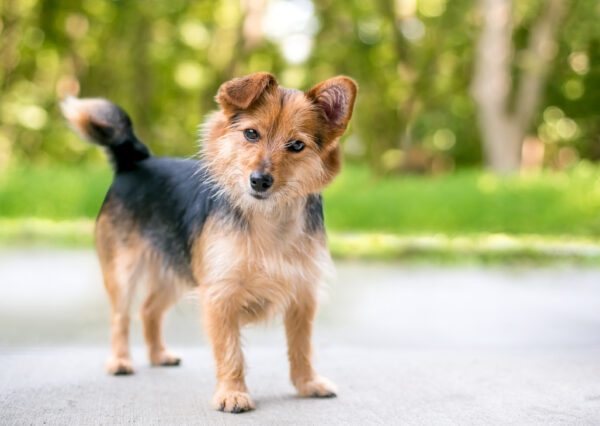
The Chorkie blends the Chihuahua’s bold spirit with the Yorkshire Terrier’s affectionate charm. This small companion loves lap time, learns quickly, and stays alert, which makes daily life lively and fun. A Chorkie fits well in homes that value close bonding and regular indoor time. Careful research before adoption helps you match energy level, grooming needs, and health considerations to your routine.
Adoption gives a dog a second chance and supports responsible care. It also helps you find a dog whose history and temperament are known. In Alaska, a Chorkie can thrive with thoughtful planning. The state’s cold climate and long winters require warm clothing, limited outdoor exposure, and safe indoor enrichment. Geography ranges from compact neighborhoods to wide rural areas, so a small dog that enjoys indoor play can be a good fit for many lifestyles. Short walks, secure leashes, and close supervision protect a small dog from icy conditions and local wildlife.
Before you adopt, plan for grooming, dental care, and regular training. A Chorkie’s coat may need brushing several times per week, and small mouths often need extra dental attention. A well-prepared adopter gives this cheerful dog the structure and comfort that lead to a long, happy life.
You can avoid searching rescues and shelters one by one by browsing Dog Academy adoption listings. You can filter by location and size to quickly see Chorkies and similar small mixes. Dog Academy also offers educational guides and practical adoption checklists that help you prepare your home, compare applications, and plan your first week with your new dog.
Chorkies appear in local animal shelters, regional rescues, and breed-specific rescue groups. Start by reviewing listings and reading each bio closely. Look for details on energy, house manners, compatibility with kids, and compatibility with other pets. Ask clear questions about medical history, daily routine, grooming tolerance, and any training needs. Matching temperament to your lifestyle matters more than age or color.
Most organizations use an application that requests personal information, landlord approval if you rent, and veterinary references if you have owned pets. A coordinator reviews your application and may conduct a phone interview. Timelines typically range from 1 to 3 weeks, which covers reference checks, a meet-and-greet, and a home check. Meet-and-greets can happen at a facility, at a foster home, or through a structured virtual session. Home checks verify safety items like secure doors, a plan for cold-weather potty breaks, and a setup for rest and feeding. Final approval comes after both sides confirm the match, sign an adoption contract, and pay the fee.
In Alaska, distance and weather can affect logistics. Rescues sometimes arrange transport to move dogs between locations when a strong match is found. Transport can involve volunteer drivers, ground carriers, or flights, with timing based on safety and weather. The organization explains travel steps, confirms arrival plans, and discloses any transport costs before you commit.
|
How Much Does It Cost to Adopt a Chorkie in Alaska?In Alaska, adopting a Chorkie usually costs $250 to $450. The fee reflects the dog’s age, the amount of completed training, the level of medical care, and the local demand for small companion dogs. Puppies and recently groomed, well-socialized dogs tend to be on the higher end. Adults and seniors are often lower but can rise if extra care has been provided. Most adoption fees cover spaying or neutering, vaccinations, microchipping, and veterinary exams. Many small breeds face dental concerns, so recent dental cleanings can raise the total. If transport is required, organizations often add a clearly itemized travel fee to offset ground mileage or airfare. Exact totals are shared during the approval process so you can budget with confidence. |
How Should I Train a Chorkie?Chorkies are bright and people-focused, which makes training rewarding. Short sessions, high-value treats, and clear cues keep a small dog engaged. Use positive reinforcement to build reliable sit, down, stay, and come. Mark and reward quiet behavior to reduce nuisance barking. Rotate puzzle toys and simple scent games to meet mental needs indoors during cold spells. Housetraining in Alaska works best with a consistent schedule, a crate that fits your dog comfortably, and a warm potty routine. Many owners set up an indoor potty area for storms or extreme cold and still maintain regular outdoor breaks on safe, cleared paths. Socialize your Chorkie to winter gear, doorways, elevators, and new surfaces to build confidence. Gentle handling exercises help with grooming, nail trims, and dental care, which protects long-term health. For step-by-step lessons, you can follow Dog Academy’s online training courses. The curriculum shows you how to reinforce good manners, manage barking, improve recall, and create a calm routine suited to a small dog living in a cold climate. |

|
The ideal adopter enjoys close companionship, provides daily mental enrichment, and keeps a steady routine. Consistent warmth, safe outdoor time, and indoor play help a Chorkie thrive in Alaska. Preparation makes the difference, so gather supplies, plan your potty strategy, and organize a training schedule before your dog arrives.
Take your time, ask clear questions, and focus on a true temperament match. With patience and planning, you can adopt a Chorkie in Alaska and welcome a cheerful, loyal friend who fits your home and your lifestyle.
Introducing a new puppy to your current dog is often an exciting process, and many dogs will become fast friends and eas...
Read More
Rescue dogs can make great companions and can transform your home into something better. These dogs make great pets and ...
Read More
You should never rush to pet a dog. Even dog owners make the mistake of approaching unfamiliar dogs and petting them rig...
Read More
Puppy mill dogs are survivors who have endured extreme hardships in their lives. They have grown up in horrendous, unsan...
Read More
With their wagging tails and comforting presence, adopting a dog can add a unique touch to your life. It’s a heart...
Read More
Older dogs may have a few gray hairs around the edges, but that doesn’t mean they can’t make wonderful companions! T...
Read More