































































































































































Introducing a new puppy to your current dog is often an exciting process, and many dogs will become fast friends and eas...
Read MoreAdopt Me




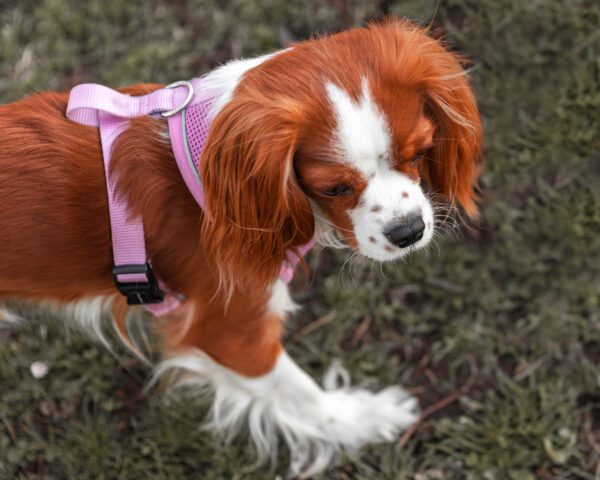
The Cavalier King Charles Spaniel is a gentle, people-focused companion that thrives on closeness. This breed is affectionate, playful, and polite with strangers, which makes it a wonderful fit for families, retirees, and first-time adopters. Cavaliers enjoy couch time as much as short adventures, and they adapt well to apartments and single-family homes when they receive daily interaction and enrichment.
Thoughtful research helps every adoption succeed. Cavaliers can be prone to heart disease, ear infections, and dental issues, so an informed adopter plans for routine veterinary care and grooming. Adoption is preferable to buying because it opens a space for another dog in need and supports responsible rehoming. Alaska’s climate brings unique considerations for this breed. Cavaliers have a light to moderate coat that does not protect against extreme cold, so they need winter gear, short outdoor sessions, and safe indoor exercise. Alaska’s long winters, icy sidewalks, and spread-out communities also require planning for travel, paw protection, and consistent routines at home.
You can avoid searching rescues and shelters separately by using the listings on Dog Academy. You can filter for breed, set your location to Alaska, and read detailed profiles that cover age, temperament, and medical notes. Dog Academy also provides educational guides and adoption checklists that help you prepare your home, plan your budget, and schedule your first veterinary visit.
Adoptable Cavaliers in Alaska are most often found through local animal shelters, regional rescues, and breed-specific rescue groups. Many dogs live in foster homes while they wait for adopters, which means you can learn about behavior in a home setting. When a dog is outside your area, rescues sometimes arrange transport to move dogs between Alaska communities or from other states. Transport is often coordinated by volunteers or professional carriers, and adopters may pay a modest transport fee to cover fuel and logistics.
The process usually begins with browsing listings and submitting an application. Applications ask about your schedule, housing, experience with dogs, and plans for training and exercise. Most groups verify personal references and landlord permission when applicable. Next comes a phone or video interview and a home check to confirm safety, including gates, secure fencing, and safe storage of chemicals and medications. Meet-and-greets happen at a shelter, a foster home, or via video when distance or weather makes travel difficult.
Approval timelines vary with staffing and weather. In Alaska, typical approvals take 1 to 3 weeks because coordinators schedule interviews, arrange meet-and-greets, and confirm veterinary records. Severe storms or holiday closures can add extra days. After approval, you sign an adoption agreement, pay the fee, and either pick up your dog or confirm transport. Bring a collar, an ID tag, a leash, and a crate for safe travel. Set up a quiet room at home with water, a bed, and a plan for slow introductions.
|
How Much Does It Cost to Adopt a Cavalier King Charles Spaniel in Alaska?Most adopters in Alaska can expect to pay $350 to $650 to adopt a Cavalier King Charles Spaniel. Puppies and dogs that receive extensive recent medical care often land at the top of that range. Costs run higher in Alaska than in many regions because veterinary supplies and transport are more expensive, and because demand for small companion breeds remains strong in urban hubs. Adoption fees usually include spaying or neutering, vaccinations, microchipping, and veterinary exams. Fees can also reflect deworming, dental cleaning, cardiac evaluation, and professional grooming. Age, training history, and medical needs affect price. Puppies cost more because they require pediatric vaccinations and extra care. Adult dogs with up-to-date care may sit in the middle of the range. Senior dogs may cost less up front but may need more frequent wellness checks. |
How Should I Train a Cavalier King Charles Spaniel?The Cavalier King Charles Spaniel learns quickly with gentle, reward-based methods. This breed is sensitive and eager to please, so short sessions with treats and praise work best. Consistency matters because Cavaliers bond strongly and can struggle with alone time. Crate training and gradual departures teach calm independence and help prevent separation anxiety. Focus on house training, recall, and loose-leash walking right away. Cold weather can make house training harder in Alaska, so use frequent trips outside, warm jackets, and paw protection to keep sessions comfortable. Cavaliers have a spaniel chase instinct, which means reliable recall and management around birds and small wildlife are essential. Rotate puzzle toys, scent games, and short indoor training sessions to meet mental needs when snow or ice limits outdoor time. You can build a clear plan with Dog Academy’s online training courses. Step-by-step lessons cover foundation skills, socialization, polite greetings, and confidence building. Courses use positive reinforcement and provide easy progress tracking so you can train at home and adjust to Alaska’s winter schedules. |

|
The ideal adopter enjoys daily companionship, gentle play, and relaxed evenings at home. A great match provides routine grooming, regular veterinary care, warm gear for winter walks, and patient training. Families with respectful children, singles who work from home, and retirees who want a devoted friend often thrive with this breed.
Preparation leads to a smooth transition. Set a budget, gather supplies, and plan for gradual introductions. Take your time, ask detailed questions, and choose a dog whose energy, health needs, and temperament fit your lifestyle. When you are ready, start browsing listings and use trusted guidance to adopt a Cavalier King Charles Spaniel in Alaska with confidence.
Introducing a new puppy to your current dog is often an exciting process, and many dogs will become fast friends and eas...
Read More
Rescue dogs can make great companions and can transform your home into something better. These dogs make great pets and ...
Read More
You should never rush to pet a dog. Even dog owners make the mistake of approaching unfamiliar dogs and petting them rig...
Read More
Puppy mill dogs are survivors who have endured extreme hardships in their lives. They have grown up in horrendous, unsan...
Read More
With their wagging tails and comforting presence, adopting a dog can add a unique touch to your life. It’s a heart...
Read More
Older dogs may have a few gray hairs around the edges, but that doesn’t mean they can’t make wonderful companions! T...
Read More