

























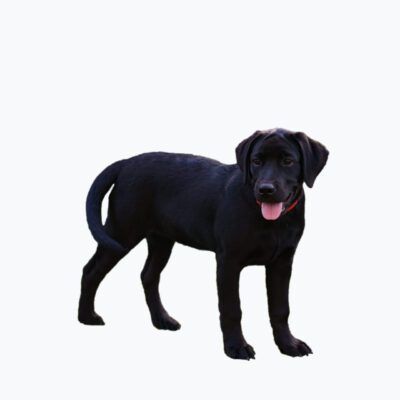






























































































































































Introducing a new puppy to your current dog is often an exciting process, and many dogs will become fast friends and eas...
Read More
How to Introduce a New Puppy to Your Dog
The Bolognese Dog is a gentle, people-focused companion that loves close contact and calm routines. This small, cottony-coated dog is bright, affectionate, and highly loyal. The breed fits well with families who want a cheerful housemate that enjoys short walks, play sessions, and plenty of cuddles. The coat is low shedding, and regular brushing keeps the coat clean and soft.
Thoughtful research matters before you adopt a Bolognese Dog in Alaska. The breed bonds deeply and can feel stress when left alone for long hours. Consistent training, early socialization, and regular grooming keep this sensitive dog steady and comfortable. Adoption gives a dog a second chance, and it often provides clearer insight into temperament because foster caregivers can share detailed observations about daily habits and preferences.
Alaska’s climate and geography create unique considerations for a small companion breed. Winters are long and cold, so your dog will need warm layers, protected potty areas, and careful paw care on ice. Many households spend more time indoors, which suits the Bolognese Dog well because the breed is content with indoor enrichment and short outdoor outings. Remote communities and winter storms can limit travel, so planning for veterinary access, training support, and reliable supplies is essential.
You can avoid searching for rescues and shelters separately by starting with Dog Academy. The adoption listings bring together dogs from local animal shelters, regional rescues, and breed-specific rescue groups in one place. You can also use Dog Academy’s educational guides and adoption checklists to prepare your home, plan your first week, and understand paperwork requirements before you apply.
If you want to widen your search, look for Bolognese Dogs through local animal shelters, regional rescues, and breed-specific rescue groups that serve Alaska and nearby states. Foster-based networks often post detailed profiles that explain a dog’s energy level, behavior with children, comfort with other pets, and grooming needs. A focused search increases your chance of finding a Bolognese or a Bolognese mix with a similar temperament.
The process usually begins by browsing listings and submitting an online application. Most groups request references, proof of housing stability, and landlord approval if you rent. After screening, you schedule a meet-and-greet at a shelter location, a foster home, or a neutral public space. Many organizations complete home checks, which can be in person or virtual for applicants who live in remote areas. Approval timelines often run 1 to 3 weeks, and timing depends on how quickly you complete requirements and the dog’s readiness for adoption.
When distance is a barrier, rescues may arrange transport between locations. Transport is often arranged by rescues to move dogs between states or from rural areas to adopters, using volunteer drivers or flight escorts who accompany dogs in transit. Adopters usually cover a transport donation and the cost of a veterinary health certificate, and winter weather in Alaska can delay travel for safety. Clear communication with the rescue helps you plan pickup, supplies, and your dog’s first days at home.
Most adopters in Alaska can expect a Bolognese adoption fee of $300 to $550. Puppies and young adults often fall at the higher end, while seniors are usually closer to the lower end. Fees reflect demand for small, low-shedding companion dogs and the veterinary care invested before placement. Transport can add $100 to $350 when a rescue coordinates travel from another location, and that cost is usually separate from the adoption fee.
Adoption fees typically cover spaying or neutering, vaccinations, microchipping, and veterinary exams. Fees may also reflect recent dental cleanings, bloodwork, or treatment for minor conditions. A dog that has completed basic training, that has received professional grooming, or that has lived in a foster home with extensive behavior support can also carry a higher fee because that preparation reduces risk and helps ensure a smooth transition.
The Bolognese Dog is intelligent, sensitive, and eager to please, which makes positive reinforcement highly effective. Use short sessions, clear markers, and high-value rewards to build focus and enthusiasm. Early socialization to sounds, surfaces, visitors, and short car rides creates confidence. Indoor practice is especially useful during dark, icy months, and you can rotate simple games to keep training fun.
Common challenges include barking when excited, house training in subzero weather, and stress when left alone. Create a predictable potty routine with a shoveled path, a windbreak, and a reward for quick success. Introduce a crate as a calm resting place, and pair it with independent enrichment so your dog learns to relax without constant attention. Teach polite greetings, loose-leash walking, and handling for brushing and nail care to prevent pushy behavior and to reduce grooming stress.
If you want structured guidance, explore Dog Academy’s online training courses. Step-by-step video lessons help you master foundations like recall, impulse control, and relaxation. The curriculum supports small-dog needs and offers solutions for indoor enrichment, which is valuable during Alaska winters.
The ideal adopter wants a close companion, plans to spend daily time at home, and enjoys gentle walks, indoor play, and regular grooming. Consistent routines, kind training, and safe winter accommodations help a Bolognese Dog feel secure and content. Preparation matters, and a calm start sets the tone for a lifelong bond.
Take your time, ask clear questions, and gather supplies before the first day. Use Dog Academy to compare profiles, confirm requirements, and plan transport when needed. With care and patience, you can adopt a Bolognese Dog in Alaska and welcome a loving companion who thrives in your home all year.
Introducing a new puppy to your current dog is often an exciting process, and many dogs will become fast friends and eas...
Read More
Rescue dogs can make great companions and can transform your home into something better. These dogs make great pets and ...
Read More
You should never rush to pet a dog. Even dog owners make the mistake of approaching unfamiliar dogs and petting them rig...
Read More
Puppy mill dogs are survivors who have endured extreme hardships in their lives. They have grown up in horrendous, unsan...
Read More
With their wagging tails and comforting presence, adopting a dog can add a unique touch to your life. It’s a heart...
Read More
Older dogs may have a few gray hairs around the edges, but that doesn’t mean they can’t make wonderful companions! T...
Read More