



























































































































































































Introducing a new puppy to your current dog is often an exciting process, and many dogs will become fast friends and eas...
Read MoreAdopt Me
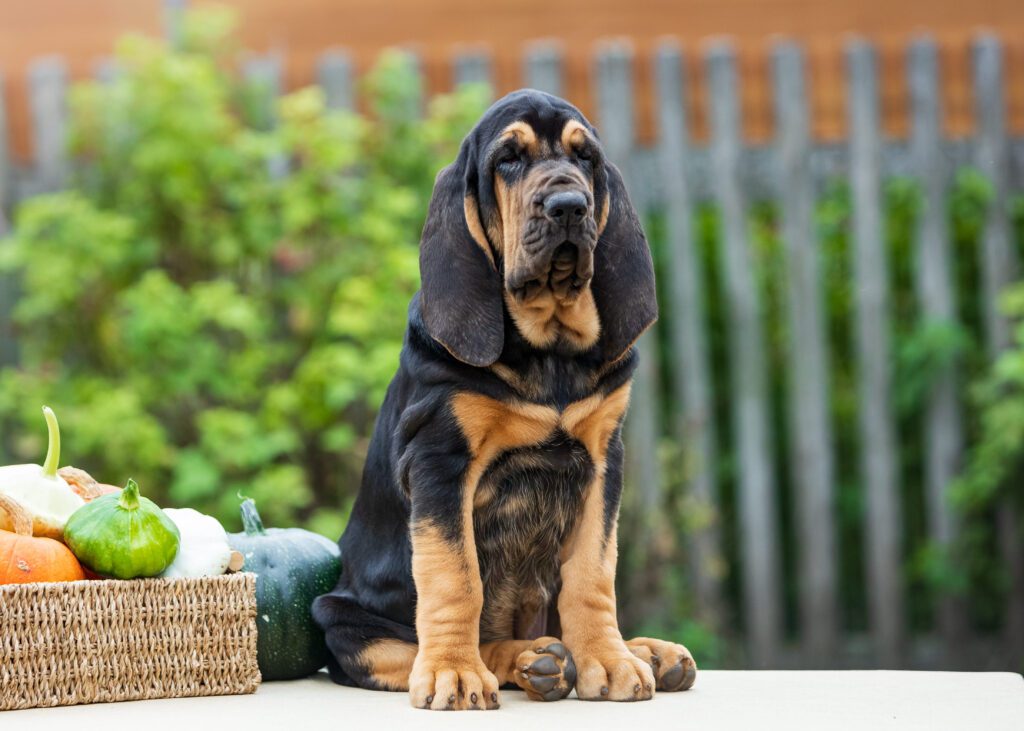

Bloodhounds are gentle, affectionate, and endlessly curious. Their world revolves around scent, and their famous noses make them determined trackers with a calm, loving nature at home. A Bloodhound forms strong bonds with family and loves a steady routine, patient training, and plenty of opportunities to sniff and explore.
Thoughtful research matters before you adopt. A Bloodhound is a large, powerful dog that needs guidance, daily exercise, and consistent house rules. Adoption is a smart choice because you give a deserving dog a second chance, you often receive a dog that has already received basic veterinary care, and you support local shelters and rescues that help dogs across the state.
Arkansas offers a good match for many Bloodhounds. The state has forests, trails, and wide-open spaces that suit long, nose-led walks. Summers are hot and humid, so you must manage heat with early walks, shade, and plenty of water. Winters are mild in most regions, which helps year-round outdoor time. Rural and suburban homes with secure yards work best, though committed urban adopters can succeed with structured exercise and enrichment.
You can skip searching shelters and rescues one by one by browsing Dog Academy. The adoption listings bring together dogs from local animal shelters, regional rescues, and breed-specific rescue groups so you can filter by location, age, and temperament in one place. Dog Academy also provides educational guides and adoption checklists that help you prepare with confidence.
In Arkansas, adoptable Bloodhounds appear through local animal shelters, regional rescues, breed-specific rescue groups, and foster networks. Many dogs live in foster homes, so you can learn about house manners, energy level, and compatibility with kids or other pets. When a dog is outside your area, rescues sometimes arrange transport to move dogs between locations. Transport is typically coordinated by volunteers or professional carriers who safely move dogs across counties or states so the dog can meet you closer to home.
The process usually starts with browsing listings, then submitting an application that covers lifestyle, housing, schedule, and experience with large breeds. Most groups complete a vet reference check and landlord verification when applicable. Next steps often include a phone interview, a meet-and-greet, and a home check. Home checks may be virtual video tours or in-person visits to confirm safety, fencing, and space for a large hound. Approval timelines vary by group and by the dog’s needs, but most adopters in Arkansas can expect 1 to 4 weeks from application to adoption.
Meet-and-greets are important for Bloodhounds because scent-driven dogs may take time to settle. Plan a calm introduction for resident pets and allow the hound to explore the yard on a long leash. Ask about daily routine, feeding, crate use, and any training cues the dog already knows. Clear communication helps you decide if the match is right for your home and lifestyle.

|
How Much Does It Cost to Adopt a Bloodhound in Arkansas?Most adopters in Arkansas pay $150 to $300 for an adult Bloodhound and $250 to $400 for a puppy. Fees tend to be lower in rural areas and slightly higher in urban centers or when demand increases for a specific dog. Costs reflect care already provided, such as spaying or neutering, vaccinations, microchipping, and veterinary exams. Fees can rise when a dog receives advanced medical care, heartworm treatment, or professional training, which can push the total closer to $400 to $550. Age, training, medical history, and local demand all affect price. Puppies often cost more because they need more veterinary visits and supplies. Adults who arrive already house trained or leash trained may also carry a higher fee that reflects the extra time and resources invested by the rescue. |
How Should I Train a Bloodhound?Bloodhounds are intelligent problem solvers that love to follow a scent. They learn well with patient, upbeat sessions that use food rewards and praise. Harsh methods backfire with this sensitive breed. Consistent positive reinforcement builds trust and keeps the dog engaged. Challenges often include pulling on leash, selective hearing during recall, and distracted behavior outdoors. Manage instincts with a well-fitted front-clip harness, long-line practice in safe areas, and frequent reward-based check-ins. Scent games, tracking exercises, and hide-and-seek with treats satisfy the nose and reduce frustration. Short, frequent sessions work better than long drills because Bloodhounds tire mentally when asked to ignore interesting smells. Structured routines help. Use crate time as a calm space, teach polite door manners, and reward quiet resting after walks. For step-by-step guidance, enroll in Dog Academy’s online training courses. The lessons cover leash skills, recall foundations, impulse control, and enrichment plans that channel a Bloodhound’s natural talents. |

|
A great Bloodhound home provides time for daily walks, room for safe sniffing, and patient training. Ideal adopters enjoy a relaxed pace, keep a tidy routine, and can manage a large dog that drools, sheds, and loves to vocalize. Families with secure fencing or active individuals who hike on cooler mornings often thrive with this breed.
Preparation sets you and your dog up for success. Gather essential supplies, plan a slow introduction period, and organize vet care in advance. Take your time, ask questions, and trust the process. With careful research and the right match, you can adopt a Bloodhound in Arkansas and welcome a loyal companion for years to come.

Introducing a new puppy to your current dog is often an exciting process, and many dogs will become fast friends and eas...
Read More
Rescue dogs can make great companions and can transform your home into something better. These dogs make great pets and ...
Read More
You should never rush to pet a dog. Even dog owners make the mistake of approaching unfamiliar dogs and petting them rig...
Read More
Puppy mill dogs are survivors who have endured extreme hardships in their lives. They have grown up in horrendous, unsan...
Read More
With their wagging tails and comforting presence, adopting a dog can add a unique touch to your life. It’s a heart...
Read More
Older dogs may have a few gray hairs around the edges, but that doesn’t mean they can’t make wonderful companions! T...
Read More