

































































































































































Introducing a new puppy to your current dog is often an exciting process, and many dogs will become fast friends and eas...
Read MoreAdopt Me
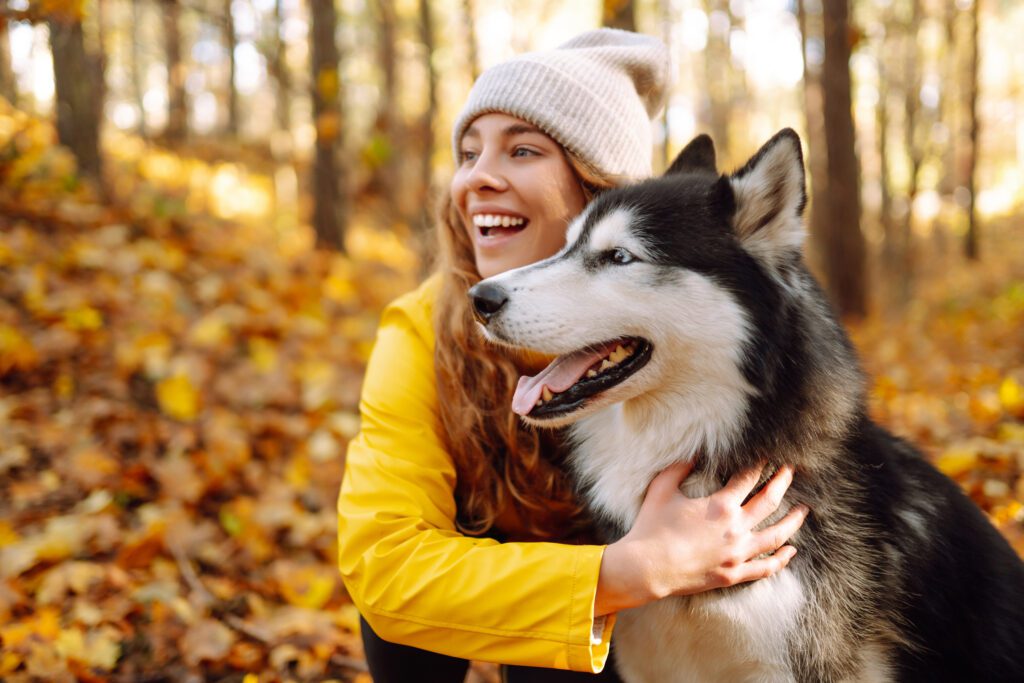
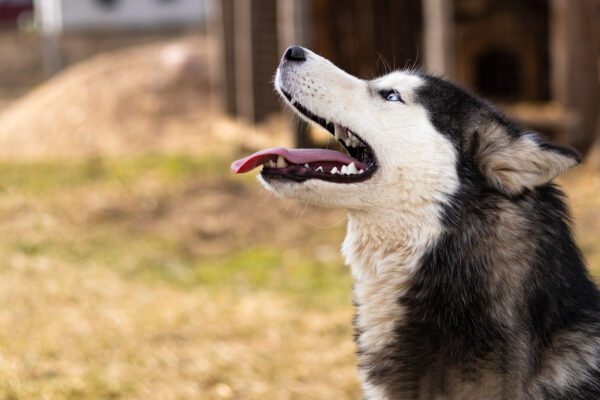
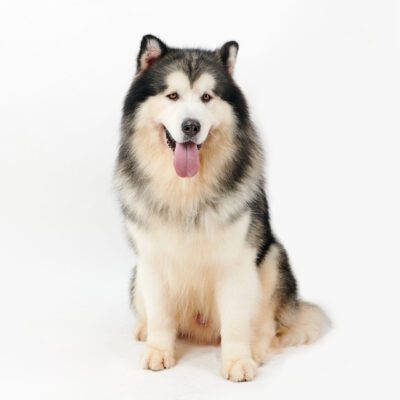
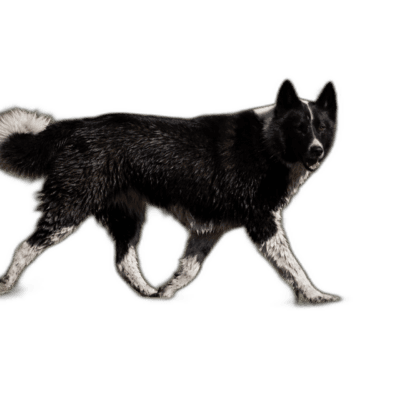
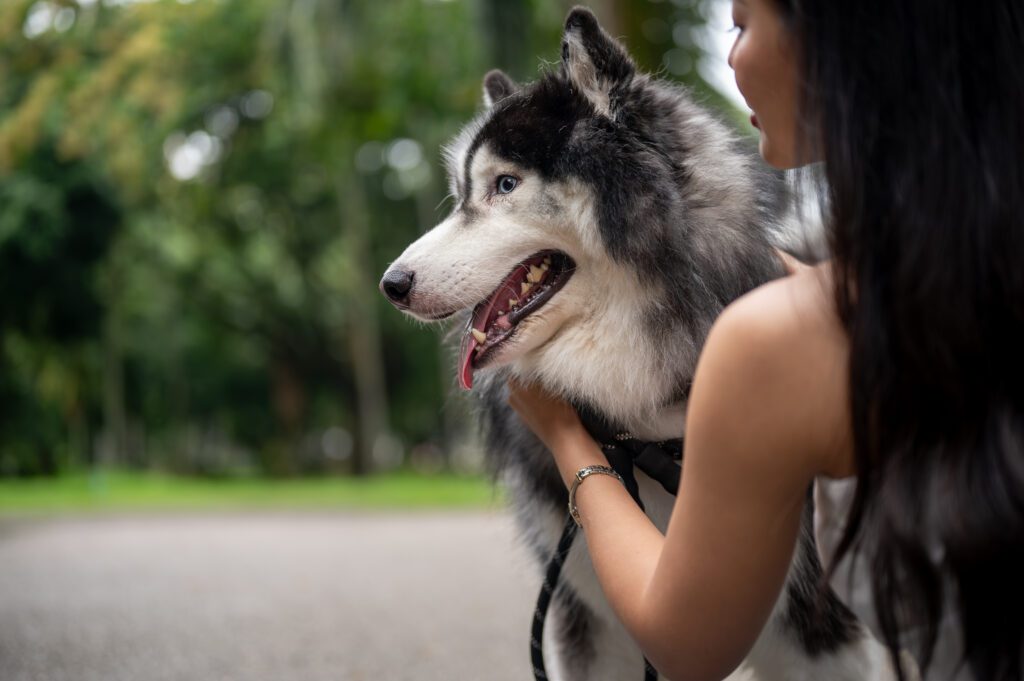
The Alaskan Husky is an athletic, affectionate, and resilient sled-dog type known for endurance, intelligence, and a love of running. Many thrive as family companions when they receive structure, daily exercise, and meaningful work. Careful research before adoption helps you match energy level, temperament, and lifestyle so your new companion can settle in smoothly.
Adoption is a responsible way to welcome a dog because you give a deserving animal a second chance and you support ethical rehoming. Alaska often suits this breed because the climate is cold, the snow is deep, and the landscape offers long trails and wide-open spaces. Alaska also brings challenges that require planning, including extreme winter conditions, summer heat that still affects double-coated dogs, wildlife that can trigger prey drive, and long distances between communities and veterinary services.
You can avoid searching for rescues and shelters separately by using Dog Academy to browse current adoption listings in one place. You can also use Dog Academy’s educational guides and adoption checklists to prepare your home, budget, and schedule for a smooth transition.
In Alaska, you can find adoptable dogs through local animal shelters, regional rescues, breed-specific rescue groups, and foster-based networks. Some Alaskan Huskies enter rescue from working homes when their needs change, while others arrive as strays or owner surrenders. Reading each profile carefully helps you understand activity needs, experience requirements, cat compatibility, and ideal home setups such as secure fencing and cold-weather housing.
The typical process starts with browsing listings and then submitting an application. Applications usually ask for identification, veterinary and personal references, proof of landlord approval for renters, and information about your yard, fencing, and daily routine. Answer every question clearly, describe your experience with high-energy dogs, and explain your exercise and training plan so the team can assess fit.
Next comes a meet-and-greet, which often happens at a shelter, a foster home, or a neutral public space. Bring everyone in the household, including resident dogs, so you can evaluate compatibility. Many groups complete a home check either in person or by video to confirm safety, secure gates, and winter-ready shelter. Final approval timelines in Alaska commonly run 5 to 14 days, which depends on reference response times, scheduling the home check, and travel logistics. If distance is a barrier, some rescues arrange transport to move dogs between locations, which means the organization coordinates ground or air travel, health certificates, and handoffs to deliver the dog safely to your area. After approval, you sign an adoption contract, pay the fee, and receive medical records along with post-adoption support.

|
How Much Does It Cost to Adopt a Alaskan Husky in Alaska?In Alaska, most adopters pay $250 to $450 for an adult Alaskan Husky through a shelter or rescue. Puppies often range from $350 to $600 because early vaccines, sterilization, and demand raise costs. Fees in Alaska tend to sit toward the middle or upper end of these ranges due to higher veterinary costs and longer-distance logistics. Adoption packages usually include spaying or neutering, vaccinations, microchipping, and veterinary exams. Final cost depends on age, training level, recent medical care such as dental work or orthopedic evaluations, and local demand for cold-weather working types. Transport, when offered by a rescue to move dogs between locations, may add $75 to $250 to cover travel crates, fuel, and health certificates. Ask for an itemized breakdown so you understand everything included and can budget for food, a crate, a well-fitted harness, winter-safe booties, and follow-up veterinary care. |
How Should I Train a Alaskan Husky?An Alaskan Husky is smart, athletic, and independent, which means training works best when it channels energy and builds focus. Use positive reinforcement with high-value rewards, short sessions, and clear cues. Prioritize recall with a long line, loose-leash walking with a front-clip harness, impulse control at doorways, and calm settle skills for indoor downtime. Provide daily mental enrichment through scent games, puzzle feeders, and structured jobs like canicross or skijoring preparation to reduce boredom and prevent chewing or digging. Consistency matters because this breed can be a skilled escape artist with a strong prey drive. Reward checking in, practice stays around distractions, and rotate activities so your dog stays engaged. For step-by-step guidance that fits busy Alaska schedules, explore Dog Academy’s online training courses, which cover foundation skills, recall, leash manners, reactivity prevention, and enrichment plans tailored to energetic dogs. |
|
The ideal adopter enjoys daily outdoor activity, has a secure yard, and commits to consistent training and enrichment. Preparation sets you up for success, which includes cold-weather gear, reliable identification, safe containment, and a plan for exercise during storms and long winter nights.
Take your time, ask detailed questions, and meet more than one dog until the temperament and energy level feel right. With thoughtful research and a patient approach, you can adopt a resilient, affectionate partner who is ready to thrive in Alaska’s climate and lifestyle.

Introducing a new puppy to your current dog is often an exciting process, and many dogs will become fast friends and eas...
Read More
Rescue dogs can make great companions and can transform your home into something better. These dogs make great pets and ...
Read More
You should never rush to pet a dog. Even dog owners make the mistake of approaching unfamiliar dogs and petting them rig...
Read More
Puppy mill dogs are survivors who have endured extreme hardships in their lives. They have grown up in horrendous, unsan...
Read More
With their wagging tails and comforting presence, adopting a dog can add a unique touch to your life. It’s a heart...
Read More
Older dogs may have a few gray hairs around the edges, but that doesn’t mean they can’t make wonderful companions! T...
Read More