




































































































































Introducing a new puppy to your current dog is often an exciting process, and many dogs will become fast friends and eas...
Read MoreAdopt Me

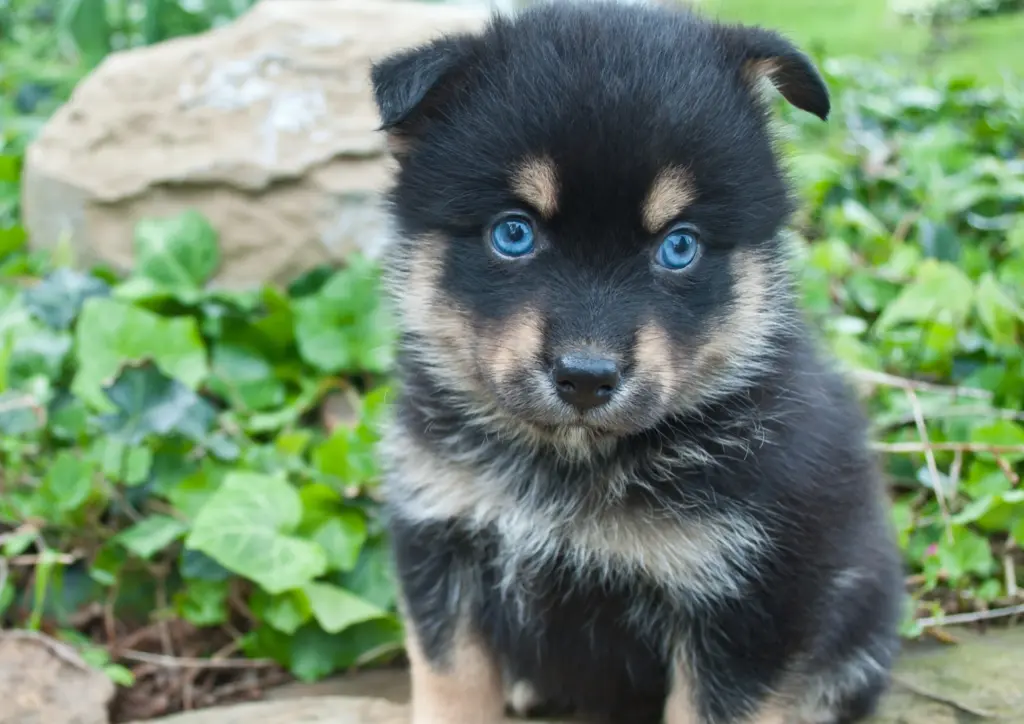
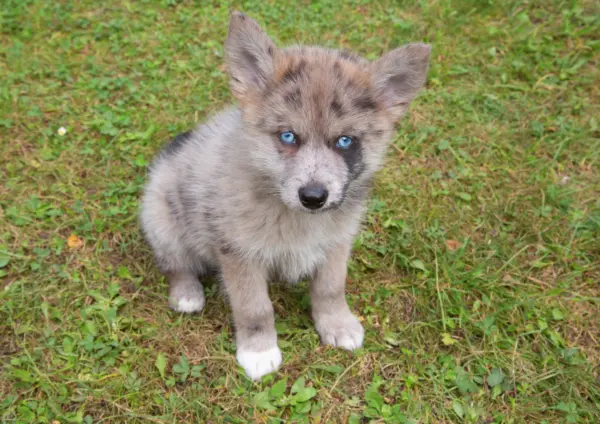
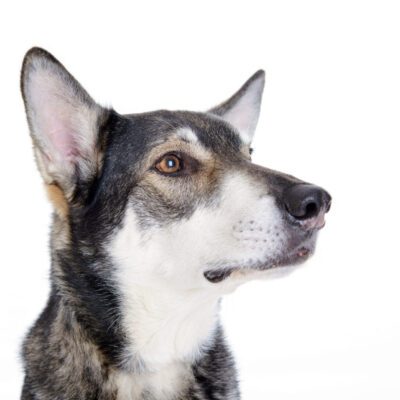
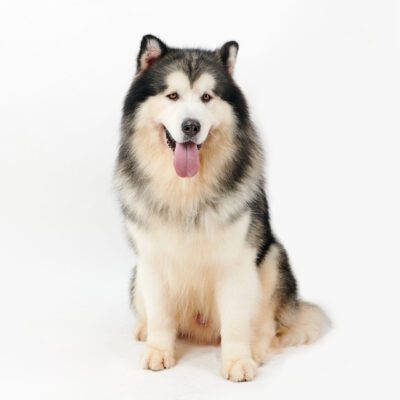
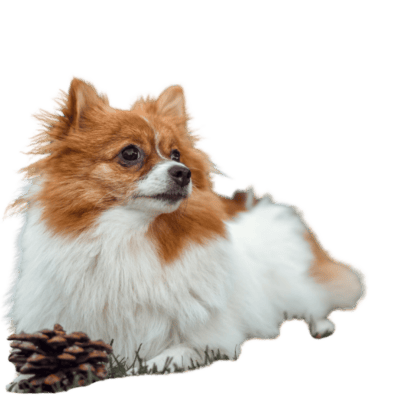
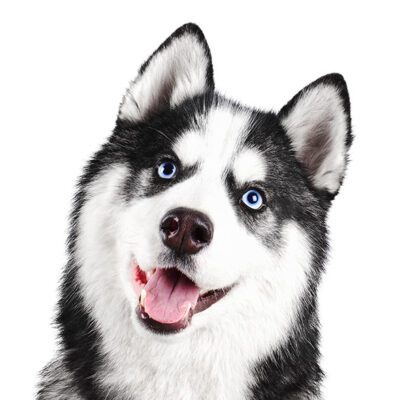
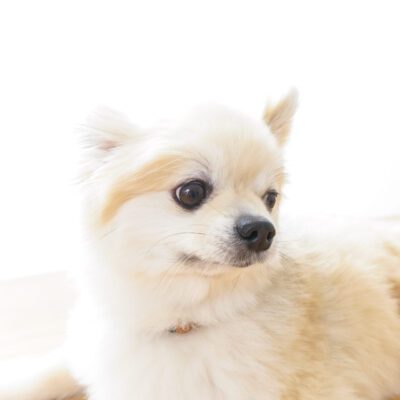
The Pomsky blends the Siberian Husky’s spark with the Pomeranian’s charm. This mix often creates a small to medium companion that is bright, playful, and affectionate. Many Pomskies love people, enjoy training games, and stay alert around the home. They can be vocal and mischievous, which adds to their personality when guided with structure.
Good research sets every adoption up for success. Understanding energy needs, grooming routines, and training goals helps you choose a dog that fits your lifestyle. Adoption often provides a thoughtful match because teams evaluate each dog and share insights about behavior and health. Adopting also supports animal welfare and opens space for the next dog in need.
Wisconsin suits the Pomsky well. The double coat handles cold winters and snowy play, though you must watch for ice and paw care. Summer can bring heat and humidity, so plan shade breaks, water, and shorter outings. The state offers lakes, trails, and neighborhoods that reward daily walks. Apartment life in cities can work with consistent exercise and attention to barking. Rural areas call for secure fencing and leashing, since many Pomskies show a strong chase instinct.
You can avoid searching for rescues and shelters separately by using Dog Academy’s adoption listings. Browse curated profiles, filter by location, and learn about each dog’s needs in one place through Dog Academy. You can also find helpful guides and adoption checklists that explain how to prepare your home and schedule at Dog Academy.
Start locally with general animal shelters, then widen your search to regional rescues, breed-specific rescue groups, and foster-based networks. Many groups share detailed biographies and behavior notes, which makes comparisons easier. If you find a match outside your immediate area, ask about transport. Transport is often arranged by rescues to move dogs between states or regions through coordinated volunteer or professional routes.
The process begins with browsing listings and saving favorites. Read each profile for age, size, energy level, grooming needs, and training history. Submit an application that includes personal information, proof of residence, references, and landlord approval if you rent. Many groups schedule a phone interview to discuss experience, expectations, and daily routine. Clear answers about exercise plans, grooming time, and training goals show you are ready for a Pomsky.
Next comes a meet-and-greet to confirm a good fit with you and any resident pets. Groups may conduct a virtual or in-person home check to confirm safety, fencing, and space for rest and play. Some offer a foster-to-adopt period or a brief trial to ensure compatibility. Approval timelines vary, yet many applicants receive updates within 1 to 3 weeks. Prompt communication, quick scheduling, and complete paperwork keep things moving smoothly.
|
How Much Does It Cost to Adopt a Pomsky in Wisconsin?Expect most Pomsky adoptions in Wisconsin to cost between $300 and $550. Fees tend to sit on the higher side for young, small, high-demand dogs that already have basic training or recent medical work. Older dogs, bonded pairs, or dogs with special needs may fall near the lower end because teams focus on finding the right home as quickly as possible. Adoption fees usually cover spaying or neutering, vaccinations, microchipping, and veterinary exams. Fees also reflect any extra care such as dental cleanings, parasite prevention, or behavior support. If transport is involved, a modest additional charge may apply to cover fuel, health certificates, or safe travel supplies. Age, training history, recent medical care, and local demand all influence the final fee. |
How Should I Train a Pomsky?Pomskies are clever and curious, which makes training enjoyable when sessions stay upbeat and short. Many love to work for food, toys, and praise. Positive reinforcement builds focus and trust, while clear boundaries prevent pushy or mouthy behavior. Early socialization helps with confidence around people, dogs, and new places. Daily mental stimulation through puzzle feeders, sniff walks, and trick training keeps busy minds satisfied. Common challenges include vocalizing, pulling on leash, and chasing wildlife. Teach a reliable settle on a mat, name game attention, loose-leash walking, and recall with high-value rewards. Crate training supports house manners and creates a safe rest space. Consistency matters, and step-by-step practice wins with this smart mix. If you want a guided plan for skills like recall, polite greetings, and loose-leash walking, explore Dog Academy’s online training courses for structured lessons you can follow at home. |
|
The ideal Wisconsin adopter enjoys daily walks, regular play, and a tidy grooming routine. A Pomsky thrives with people who value training time, mental enrichment, and patient guidance. Families with older children, active singles, and couples who plan consistent exercise often do very well.
Prepare your space, gather supplies, and set a routine before your dog arrives. Research carefully, ask detailed questions, and take the time you need to find the right fit. When you match energy level and lifestyle with care and training, your new Pomsky can flourish in Wisconsin for years to come.
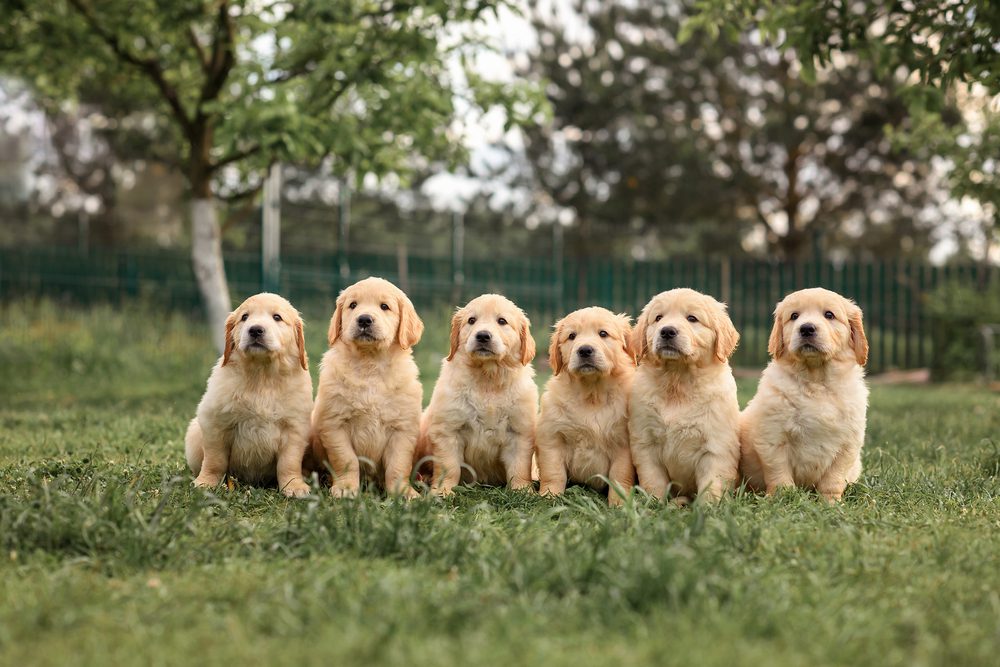
Introducing a new puppy to your current dog is often an exciting process, and many dogs will become fast friends and eas...
Read More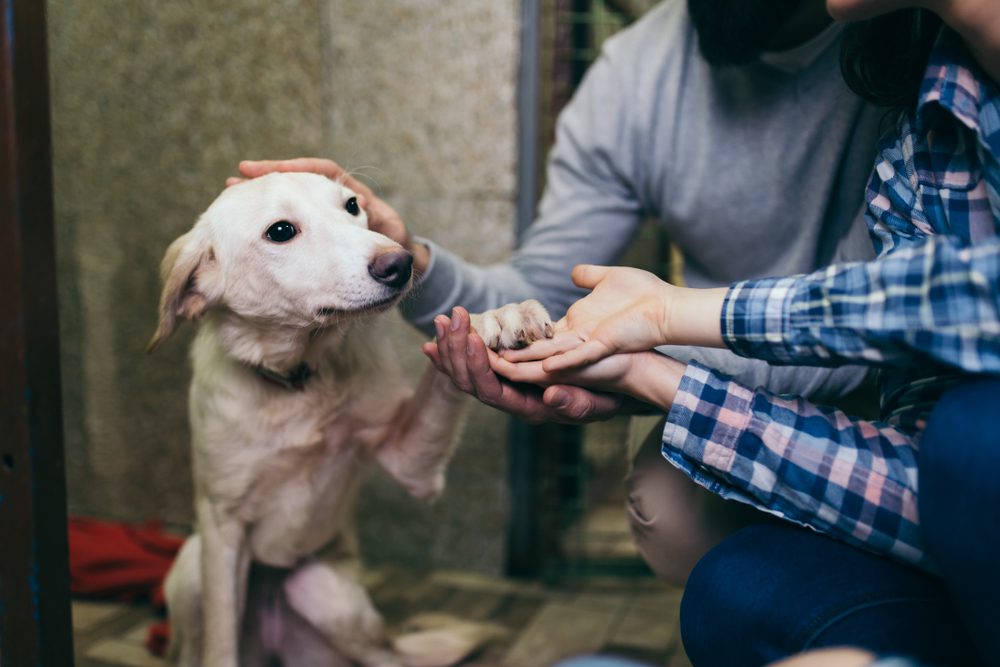
Rescue dogs can make great companions and can transform your home into something better. These dogs make great pets and ...
Read More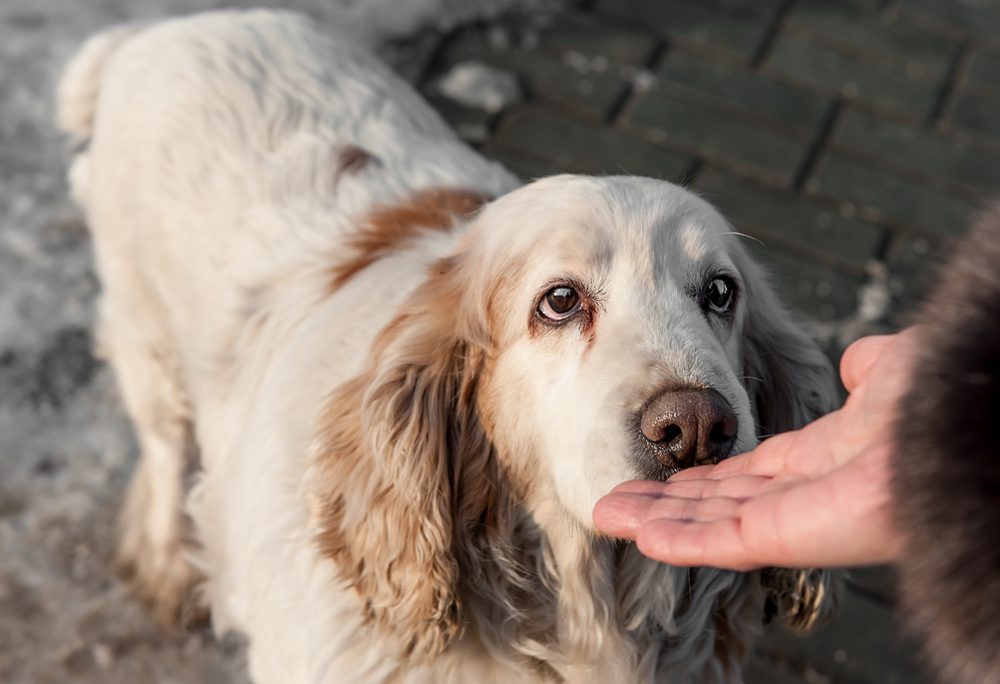
You should never rush to pet a dog. Even dog owners make the mistake of approaching unfamiliar dogs and petting them rig...
Read More
Puppy mill dogs are survivors who have endured extreme hardships in their lives. They have grown up in horrendous, unsan...
Read More
With their wagging tails and comforting presence, adopting a dog can add a unique touch to your life. It’s a heart...
Read More
Older dogs may have a few gray hairs around the edges, but that doesn’t mean they can’t make wonderful companions! T...
Read More