




























































































































































































Introducing a new puppy to your current dog is often an exciting process, and many dogs will become fast friends and eas...
Read MoreAdopt Me




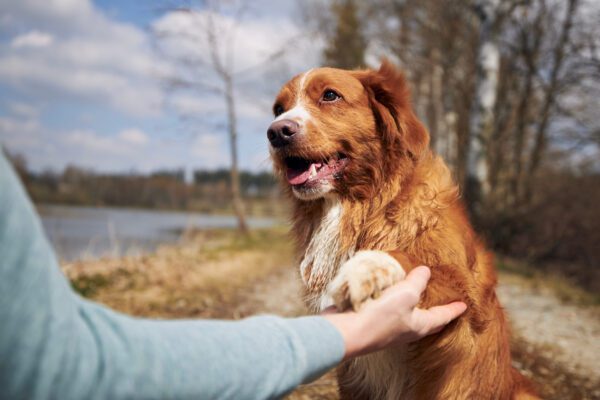
The Nova Scotia Duck Tolling Retriever is energetic, intelligent, and deeply affectionate. This compact retriever loves to retrieve, swim, and solve problems, and it forms strong bonds with its family. Careful research before adoption helps you understand exercise needs, grooming routines, and the mental enrichment this breed requires every day.
Adoption is a thoughtful choice because it opens your home to a dog in need while supporting responsible rescue work. Many adoptable Tollers already receive basic veterinary care, and some arrive with useful training. Choosing adoption also allows you to match a dog’s temperament and energy level to your lifestyle, which increases long-term success.
Kentucky can suit a Toller very well because the state offers rolling hills, forests, and many lakes and rivers for safe water play. Summers are hot and humid, which means careful heat management, shaded rest, and plenty of fresh water. Winters are cool to cold, which this double-coated breed generally tolerates with a warm indoor space. Rural properties offer room to run, while city living calls for daily outings, structured exercise, and frequent mental games to keep a Toller content.
You can skip searching shelters and rescues one by one by using Dog Academy to browse current adoption listings. You can also use Dog Academy to read step-by-step adoption guides and practical checklists, which help you prepare documents, set expectations, and plan an easy transition home.
Adoptable Tollers in Kentucky may appear through local animal shelters, regional rescues, and breed-specific rescue groups. Start by browsing listings, then read each profile carefully to confirm age, temperament, activity needs, and household fit. Check listings often because Tollers are in demand and can be adopted quickly.
Most groups ask you to submit an application that explains your housing, schedule, experience with dogs, and veterinary history. Many groups verify references and contact your veterinarian to confirm preventive care habits. Phone interviews are common, and timelines vary by dog and by group. Approval can take 1 to 3 weeks, and it can move faster when your application is complete and your household is a strong match.
After approval, you typically schedule a meet-and-greet to confirm compatibility with everyone in the home. Many groups conduct a home check to ensure safe containment, appropriate space, and hazard-free areas. If all goes well, you sign an adoption contract and pay the fee. Some rescues arrange transport to move dogs between locations when a foster is in another region. Transport is often coordinated by volunteers or licensed carriers who follow safety protocols, and pickups usually occur at designated meeting points that are easy to access.

|
How Much Does It Cost to Adopt a Nova Scotia Duck Tolling Retriever in Kentucky?Expect adoption fees in Kentucky to land around $300 to $600 for a Nova Scotia Duck Tolling Retriever. Puppies and highly trained adults tend to be at the upper end because of demand and the cost of care. Most adoption fees help cover spaying or neutering, vaccinations, microchipping, and veterinary exams. Many groups also include a heartworm test, deworming, and a behavior assessment, which ensures your new dog starts on the right paw. Age, medical history, training, and demand influence cost the most. Puppies cost more because they need additional veterinary care and frequent follow-ups. Adults with completed training may cost more because of the time invested by fosters or trainers. Dogs that received treatments such as dental cleanings or heartworm therapy may reflect that care in the fee. Location within Kentucky can also affect pricing because veterinary costs vary across the state. |
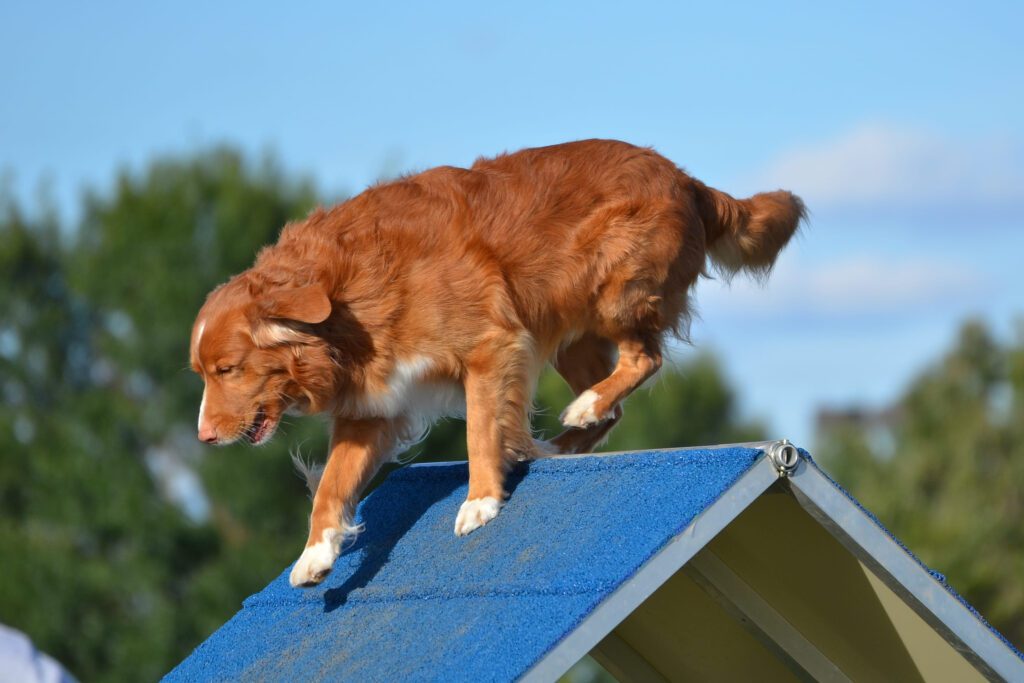
How Should I Train a Nova Scotia Duck Tolling Retriever?Tollers are quick learners that respond best to positive reinforcement. Short, upbeat sessions keep them engaged. Clear markers like a clicker or a consistent verbal cue speed up learning for basic obedience, impulse control, and recall. Daily mental enrichment, puzzle feeders, and structured retrieve games prevent boredom and build focus. Common challenges include intense energy, mouthiness during play, jumping to greet people, and excited vocalization when aroused. Plan for 60 to 90 minutes of daily exercise that blends physical and mental work. Rotate brisk walks, controlled fetch, scent games, and swims in safe water. Teach calm behavior with a place cue, reinforce loose-leash walking, and build a rock-solid recall away from wildlife. Crate training and settled downtime help your Toller relax after activity. For step-by-step guidance, explore Dog Academy’s online training courses. You can follow programs for puppy foundations, basic obedience, leash manners, recall, crate training, and enrichment routines. These courses show you how to reward desired behavior, prevent problem habits, and keep progress steady. |
|
The ideal Toller adopter enjoys an active lifestyle, values daily training, and has time for exercise and mental work. Families who like hiking, running, and swimming often thrive with this breed. A secure yard or reliable access to safe exercise areas helps meet needs year-round in Kentucky’s changing seasons.
Preparation makes adoption smooth. Set a realistic budget, gather supplies in advance, and align your schedule for the first 2 to 3 weeks at home. Take your time, ask questions, and choose a dog that fits your routine today and your goals for tomorrow. When you are ready to adopt a Nova Scotia Duck Tolling Retriever in Kentucky, start with Dog Academy’s adoption listings and training resources to build a confident, lasting match.

Introducing a new puppy to your current dog is often an exciting process, and many dogs will become fast friends and eas...
Read More
Rescue dogs can make great companions and can transform your home into something better. These dogs make great pets and ...
Read More
You should never rush to pet a dog. Even dog owners make the mistake of approaching unfamiliar dogs and petting them rig...
Read More
Puppy mill dogs are survivors who have endured extreme hardships in their lives. They have grown up in horrendous, unsan...
Read More
With their wagging tails and comforting presence, adopting a dog can add a unique touch to your life. It’s a heart...
Read More
Older dogs may have a few gray hairs around the edges, but that doesn’t mean they can’t make wonderful companions! T...
Read More