




























































































































































































Introducing a new puppy to your current dog is often an exciting process, and many dogs will become fast friends and eas...
Read MoreAdopt Me

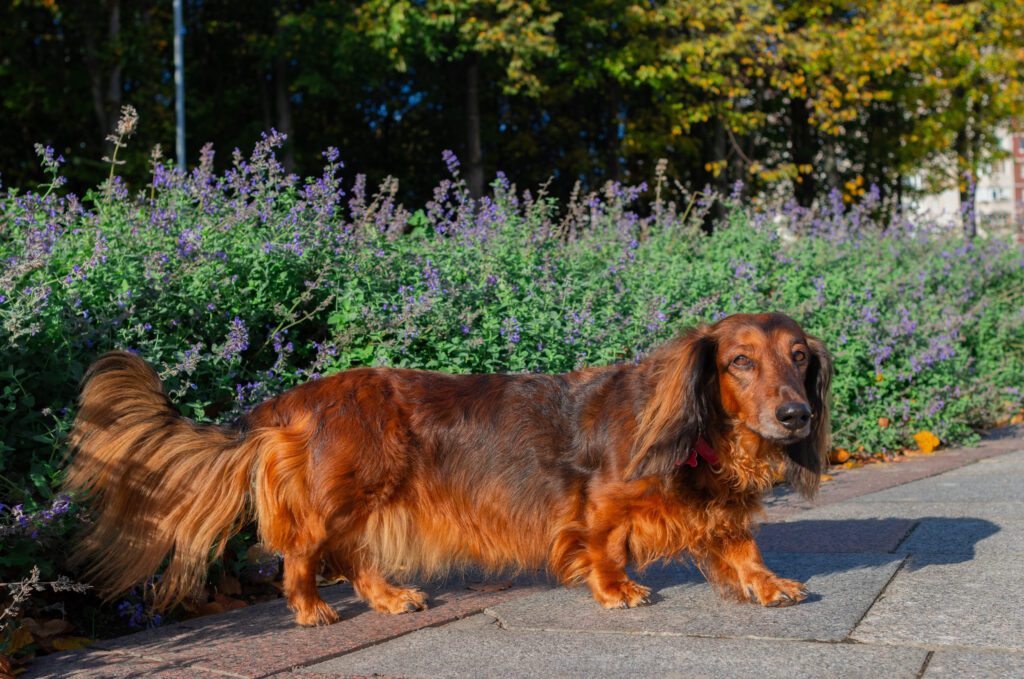


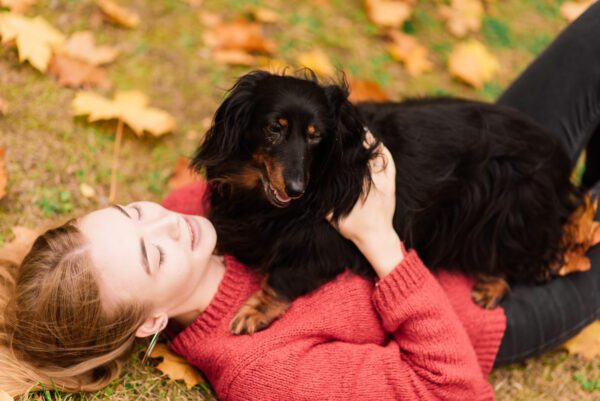
The Long-Haired Dachshund is affectionate, clever, and charming. This small hound enjoys family life and stays close to the people it trusts. The silky coat adds elegance, and the playful spirit makes daily life brighter. Research matters before you adopt a Long-Haired Dachshund in Kentucky. This breed has unique needs that affect exercise, grooming, and training.
Adoption is a kind choice because it gives a dog a safe home and it helps reduce irresponsible breeding. Adoption fees usually include veterinary care that you would otherwise pay for after purchase. You also gain guidance from people who know the dog well. That support helps you match your lifestyle with the right personality.
Kentucky’s climate brings hot, humid summers and chilly winters. The long coat needs regular brushing to prevent mats in humidity and to remove burrs after walks on wooded trails. Many Kentucky homes have yards and easy access to parks, which works well for short daily walks and safe sniffing time. Apartment living in cities can suit this breed because of its small size, but you must plan for leash walks and mental enrichment. Watch for steep stairs and frequent jumping, since Dachshunds need back protection.
You can skip searching shelters and rescues one by one by starting with Dog Academy. You can browse current listings, filter for breed and location, and use educational guides and adoption checklists to stay organized. You can then reach out to the caretakers to confirm availability and learn about the dog’s history.
Adoptable Long-Haired Dachshunds appear through local animal shelters, regional rescues, breed-specific rescue groups, and foster networks. A listing usually includes age, size, behavior notes, and medical updates. Read these details closely. Dachshunds are scent hounds with strong prey drive, a love of digging, and a tendency to vocalize. Make sure the dog’s energy level, comfort with children, and comfort with other pets fit your home.
The process begins with browsing listings and submitting an application. The application asks about your home, schedule, fencing, and experience. You may need proof of landlord approval and proof of current pet vaccinations. After screening, most groups arrange a meet-and-greet. This can be in a neutral location or at the foster home. Some groups also complete a home check to confirm safety, including gates, stairs, and crate setup. Home checks can be virtual or in-person and usually take less than 1 hour.
Approval timelines depend on references, scheduling, and the number of applicants. A straightforward adoption often finishes in 1 to 3 weeks. If transport is involved, the timeline can extend. Rescues sometimes arrange transport between locations to move dogs safely from crowded shelters to approved adopters. Transport can involve volunteer drivers or licensed carriers. The rescue coordinates health certificates and handoffs, and it gives you a pickup time and location.
|
How Much Does It Cost to Adopt a Long-Haired Dachshund in Kentucky?Most adopters in Kentucky can expect a fee of $200 to $450 for a Long-Haired Dachshund. Puppies and rare colors can be at the higher end because demand is strong. Senior dogs can be less. Fees are influenced by age, completed training, recent medical care, and grooming needs. Many groups include essential care in the fee. Typical inclusions are spaying or neutering, vaccinations, microchipping, and veterinary exams. Some organizations also provide a starter leash, a collar, or a brief training consult. Plan for initial supplies such as a harness, a crate, grooming tools, and a bed, which are not part of the adoption fee. |
How Should I Train a Long-Haired Dachshund?Long-Haired Dachshunds are smart and food motivated. They also show independent hound instincts. Keep sessions short and upbeat. Use clear cues, high-value treats, and frequent rewards. Positive reinforcement builds trust and improves focus. Avoid harsh methods because they can create fear and stubborn behavior. House training can take time. Create a consistent schedule, supervise closely, and reward outdoor success every time. Crate training supports bladder control and keeps the dog safe when you are away. Teach a quiet cue early to manage barking. Leash training is vital because scent trails can tempt a quick dash. Protect the back by teaching a solid wait at stairs and by using ramps where possible. If you want structured guidance, explore Dog Academy’s online training courses for step-by-step lessons that fit busy schedules. |
|
This breed suits adopters who want a close companion, enjoy short daily walks, and can commit to regular brushing. The best homes provide gentle training, steady routines, and careful back safety. Families with respectful children, retirees with time, and city dwellers who plan daily outings all do well with this breed.
Prepare before you apply. Set a budget, gather landlord approvals, and review an adoption checklist. Take your time to meet dogs and ask thoughtful questions. With patience and good planning, you can adopt a Long-Haired Dachshund in Kentucky and welcome a loyal friend for years to come.

Introducing a new puppy to your current dog is often an exciting process, and many dogs will become fast friends and eas...
Read More
Rescue dogs can make great companions and can transform your home into something better. These dogs make great pets and ...
Read More
You should never rush to pet a dog. Even dog owners make the mistake of approaching unfamiliar dogs and petting them rig...
Read More
Puppy mill dogs are survivors who have endured extreme hardships in their lives. They have grown up in horrendous, unsan...
Read More
With their wagging tails and comforting presence, adopting a dog can add a unique touch to your life. It’s a heart...
Read More
Older dogs may have a few gray hairs around the edges, but that doesn’t mean they can’t make wonderful companions! T...
Read More