




























































































































































































Introducing a new puppy to your current dog is often an exciting process, and many dogs will become fast friends and eas...
Read MoreAdopt Me

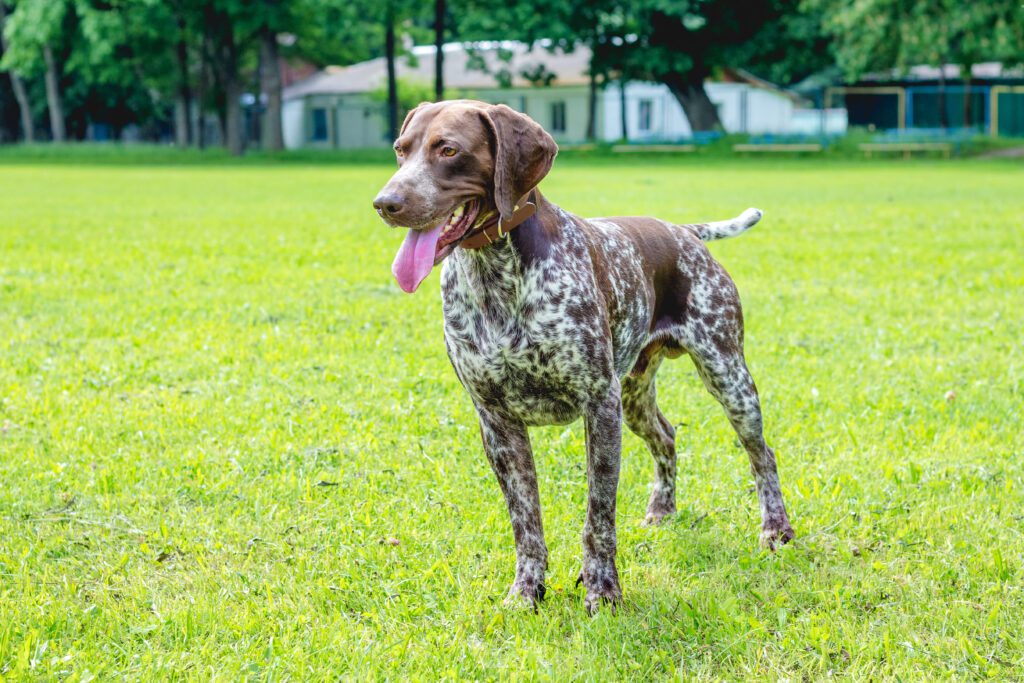


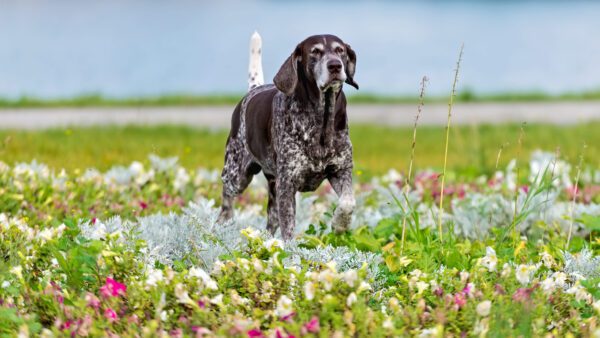
The German Shorthaired Pointer is a bright, athletic, and affectionate companion that thrives on action and teamwork. This versatile sporting dog enjoys running, hiking, and learning new skills, and it bonds closely with its people. Before you adopt a German Shorthaired Pointer in Kentucky, take time to learn about the breed’s high exercise needs, sharp nose, and eager mind. Research helps you choose a dog that fits your daily routine and long-term goals.
Adoption offers a humane and responsible path that gives a deserving dog a second chance. Many German Shorthaired Pointers enter shelters or rescues due to mismatched energy levels or life changes, not because of behavior problems. By adopting, you support ethical rehoming, you help reduce overcrowding, and you gain a loyal partner ready to learn and explore.
Kentucky’s rolling hills, forests, lakes, and farmland suit this active breed. The state’s warm, humid summers require early-morning or evening exercise, abundant water, and shade. Winters can be chilly, especially in higher elevations, so plan for brisk walks and insulating layers when needed. City dwellers can succeed with structured daily outings, enrichment, and training, while rural homes benefit from secure fencing and attentive recall practice due to wildlife and open space.
You can skip searching shelters and rescues one by one by using adoption listings through Dog Academy. The platform helps you browse available dogs in one place, and it also provides educational guides and adoption checklists so you understand every step before you apply. This saves time and helps you prepare a complete and accurate application.
Adoptable German Shorthaired Pointers appear at local animal shelters, regional rescues, and breed-specific rescue groups. Availability changes often, so check listings regularly and read each dog’s profile carefully. Focus on age, energy level, known training, and any medical notes. A mature adult may settle faster than a high-octane adolescent, and a senior can be a calm companion with fewer training demands.
The typical process begins with browsing listings, then submitting an application that covers your experience, lifestyle, schedule, home setup, and veterinary history. Many groups request personal references and landlord approval when you rent. After application review, you move to a meet-and-greet, which confirms temperament and fit for everyone in the home. Some groups conduct home checks in person or by video to verify safety, fencing, and space. Final approval follows, and many organizations offer a short trial period to ensure a smooth transition.
Approval timelines vary based on demand, background checks, and scheduling, but most adopters in Kentucky receive decisions within 1 to 3 weeks. If you find a match outside your immediate area, ask about transport, which is a service arranged by some rescues to move dogs between locations using volunteer drivers or licensed carriers. Clear communication about timing, fees, and handoff locations keeps transport safe and predictable.
|
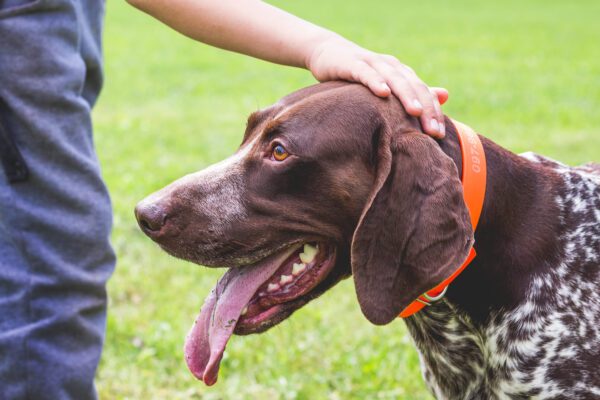
How Much Does It Cost to Adopt a German Shorthaired Pointer in Kentucky?Most adopters in Kentucky pay about $200 to $400 for an adult German Shorthaired Pointer. Puppies, when available, often cost $350 to $600 due to higher demand and early veterinary care. Fees vary with age, training history, medical needs, and how long the dog has been in care. Dogs that arrive already crate trained or house trained may fall at the higher end, while seniors or bonded pairs sometimes receive reduced fees to encourage placement. Adoption fees typically include spaying or neutering, vaccinations, microchipping, and veterinary exams. Some organizations also include heartworm testing, deworming, and a starter supply of preventives. Ask for an itemized breakdown so you understand exactly what the fee covers, and budget for essentials like a crate, a properly fitted harness, high-quality food, and a first wellness visit with your veterinarian. |
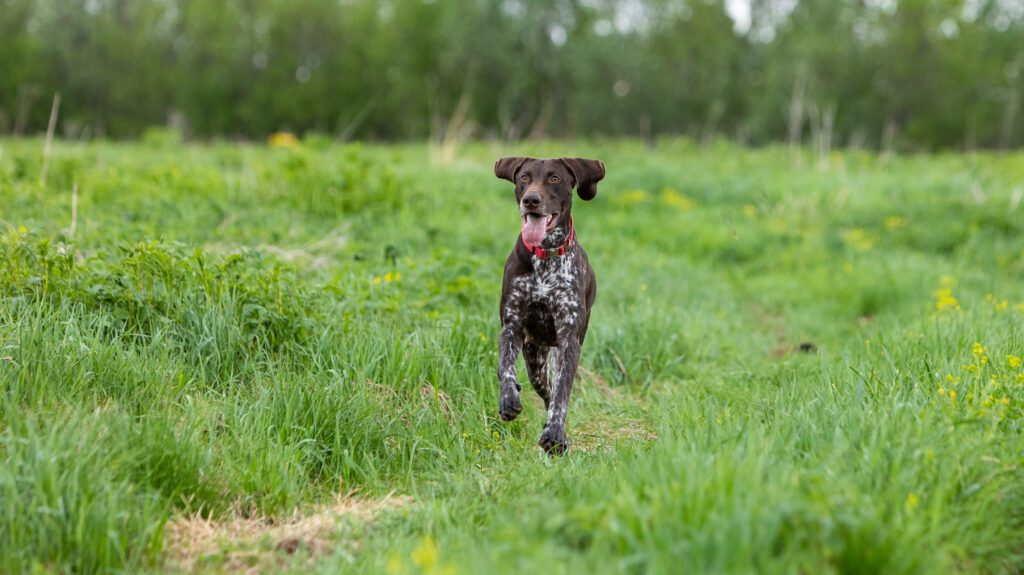
How Should I Train a German Shorthaired Pointer?The German Shorthaired Pointer is intelligent, people focused, and eager to work. Training is rewarding when you use clear structure and consistent routines. Positive reinforcement builds trust and motivation, and it helps channel the breed’s natural drive into skills you can use every day. Short sessions, generous rewards, and frequent practice turn enthusiasm into reliable behavior. Focus early on recall, loose-leash walking, impulse control, and settle-on-a-mat training. Scent games, retrieving drills, and puzzle feeders provide mental exercise that prevents boredom, which is a common trigger for digging, chewing, or vocalizing. Socialization matters at every age, so introduce new surfaces, friendly dogs, and calm people in controlled settings. If you want step-by-step guidance, explore Dog Academy’s online training courses, which offer structured lessons for recall, manners, leash skills, and enrichment tailored to active breeds. |
|
The ideal adopter enjoys daily activity, values consistent training, and can provide at least 90 minutes of exercise and enrichment on most days. Households that hike, run, or train in dog sports tend to thrive with this breed. A secure yard or a reliable plan for regular field time makes life easier, and a calm indoor routine teaches the dog to relax after work.
Prepare before you apply by gathering references, planning a safe home setup, and learning about the breed’s needs. Take your time, ask questions, and trust the process. When you adopt a German Shorthaired Pointer in Kentucky with thoughtful preparation, you set the stage for a healthy, happy partnership that lasts for years.

Introducing a new puppy to your current dog is often an exciting process, and many dogs will become fast friends and eas...
Read More
Rescue dogs can make great companions and can transform your home into something better. These dogs make great pets and ...
Read More
You should never rush to pet a dog. Even dog owners make the mistake of approaching unfamiliar dogs and petting them rig...
Read More
Puppy mill dogs are survivors who have endured extreme hardships in their lives. They have grown up in horrendous, unsan...
Read More
With their wagging tails and comforting presence, adopting a dog can add a unique touch to your life. It’s a heart...
Read More
Older dogs may have a few gray hairs around the edges, but that doesn’t mean they can’t make wonderful companions! T...
Read More