


























































































































































































Introducing a new puppy to your current dog is often an exciting process, and many dogs will become fast friends and eas...
Read MoreAdopt Me

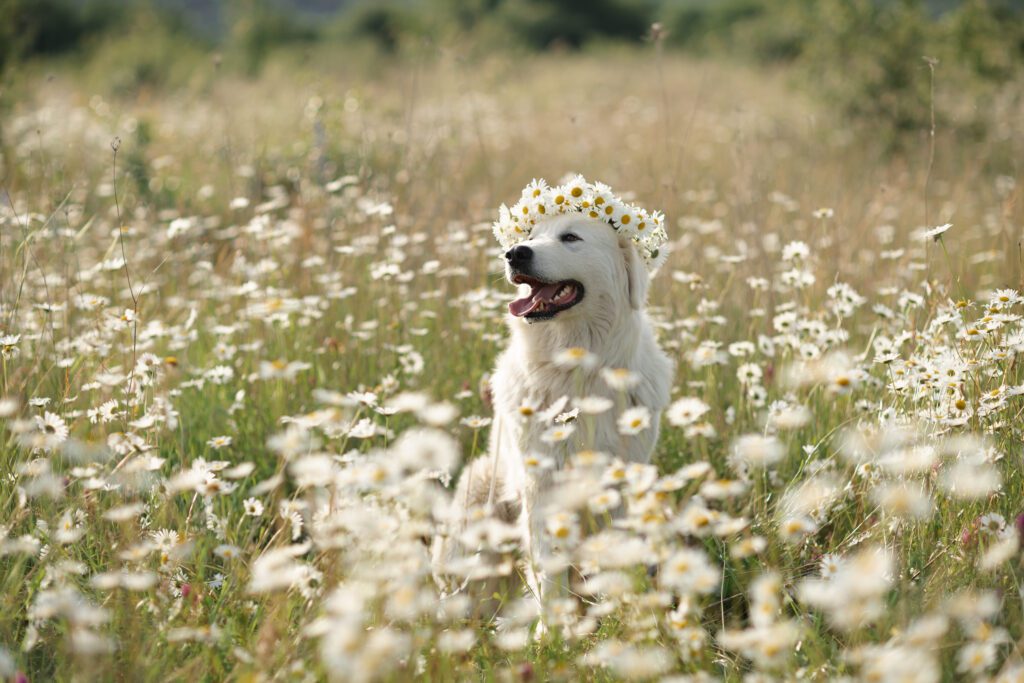
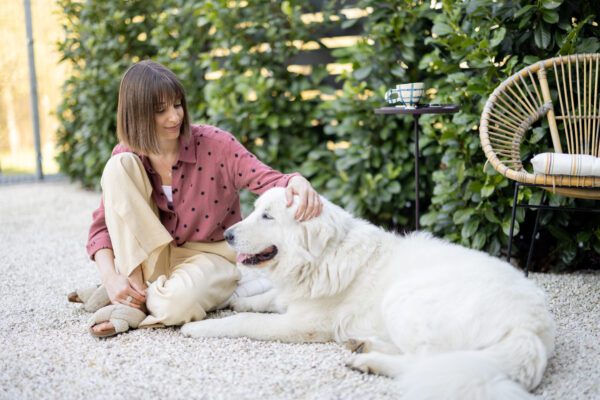
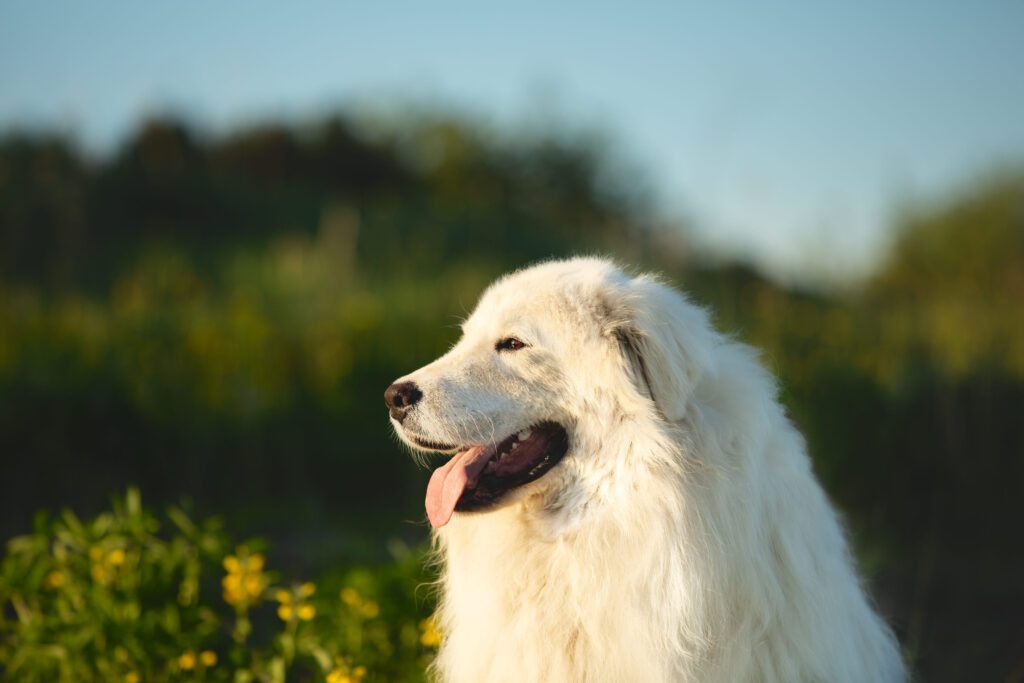
The Maremma Sheepdog is a calm, confident livestock guardian that stays devoted to family and vigilant with strangers. This breed thrives when given a clear job and steady guidance. Careful research helps you understand the breed’s independent mind, strong protective instincts, and need for space and structure before you bring one home.
Adoption gives a deserving dog a second chance, often at a lower cost than purchasing from a seller, and it supports ethical rehoming. Many adopted dogs come with essential veterinary care already completed, which helps you begin on the right foot. Arkansas offers wide open rural areas that suit a working guardian, yet the state’s hot, humid summers require thoughtful management. A heavy double coat handles mild winters well, but summer heat calls for shade, cool rest areas, plenty of water, and activity during cooler hours.
Arkansas includes forests, rolling hills, and farmland, which can be ideal for a Maremma Sheepdog that needs room and a secure fence. Urban or suburban living can work when owners commit to daily mental work, controlled exercise, and strict boundaries. A well-prepared adopter who understands guardian behavior and local climate demands will set this breed up for success.
You can avoid searching shelters and rescues separately by starting with adoption listings on Dog Academy. You can browse available dogs, filter for location, and read clear profiles in one place. You can also use Dog Academy’s educational guides and adoption checklists to plan budgets, prepare your home, and understand guardian-dog needs before you apply.
Adoptable Maremma Sheepdogs in Arkansas may appear through local animal shelters, regional rescues, and breed-specific rescue groups. Rural shelters sometimes receive working guardians after farm changes, while breed-focused groups often take in dogs that need experienced homes. Availability changes week by week, so frequent checks help you find a good match.
The process usually starts with browsing listings and submitting an application that explains your home setup, fencing, daily schedule, and experience with large or guardian breeds. Many groups ask about livestock exposure and neighborhood rules. Next steps often include a phone interview, a meet-and-greet, and a home check that can be virtual or in person. Approval timelines vary by group and by dog, but most adopters receive a decision within 1 to 3 weeks after application, especially when references respond quickly and the home fits the dog’s needs.
When a great match lives farther away, rescues may arrange transport to move dogs between locations. Transport is often handled by coordinated volunteer drivers or licensed carriers who follow health and safety protocols. Groups may request a transport fee and a veterinary certificate of health to ensure the dog travels safely and arrives ready to settle in.
|
How Much Does It Cost to Adopt a Maremma Sheepdog in Arkansas?Most adopters in Arkansas can expect a fee between $250 and $500 for a Maremma Sheepdog. The total often reflects the cost of spaying or neutering, vaccinations, microchipping, and veterinary exams. Fees may also include deworming, heartworm testing, and preventives. Larger dogs can cost more to sterilize, and that additional care can raise the final fee. Age, training, medical history, and demand all influence price. Young adults with basic manners often sit near the middle of the range, while puppies can be higher due to vaccinations and early care. Dogs that complete heartworm treatment or specialized medical procedures may carry higher fees to offset costs. Working-experienced guardians that have been evaluated around livestock can also be priced at the upper end because assessment and training require time and resources. |
How Should I Train a Maremma Sheepdog?The Maremma Sheepdog is intelligent and observant, yet it can be independent and slow to follow cues it does not trust. Training works best when you use positive reinforcement, clear boundaries, and consistent routines. Reward calm choices, mark desired behavior, and end sessions while your dog is still engaged. Short, frequent lessons build reliability without adding frustration. Common challenges include boundary testing, heavy barking at perceived threats, and selective recall when the dog believes a job takes priority. Teach a strong name response, a reliable come cue, and a solid place command for quiet downtime. Reinforce polite leash skills and controlled greetings to prevent pushy behavior. For owners with livestock, introduce stock methodically, supervise closely, and reward calm, neutral behavior to support safe guardian instincts. You can build a step-by-step plan with Dog Academy’s online training courses. Courses cover foundation cues, impulse control, leash manners, and behavior troubleshooting. Lessons are designed to keep training positive, practical, and consistent so your Maremma Sheepdog learns to make good choices even in distracting environments. |
|
The ideal adopter offers time, patience, and a secure property with a fence at least 5 feet tall. A rural or semi-rural home with structured tasks suits this breed well. Urban adopters can succeed when they focus on enrichment, predictable routines, and respectful management of the dog’s watchful nature.
Preparation leads to smooth transitions. Set up shade and cool rest areas, gather quality food and grooming tools, and schedule a veterinary visit soon after adoption. Take your time, ask clear questions, and choose the dog whose needs match your lifestyle. When you are ready, start with adoption listings and education through Dog Academy, then follow a steady training plan to help your Maremma Sheepdog thrive in Arkansas.

Introducing a new puppy to your current dog is often an exciting process, and many dogs will become fast friends and eas...
Read More
Rescue dogs can make great companions and can transform your home into something better. These dogs make great pets and ...
Read More
You should never rush to pet a dog. Even dog owners make the mistake of approaching unfamiliar dogs and petting them rig...
Read More
Puppy mill dogs are survivors who have endured extreme hardships in their lives. They have grown up in horrendous, unsan...
Read More
With their wagging tails and comforting presence, adopting a dog can add a unique touch to your life. It’s a heart...
Read More
Older dogs may have a few gray hairs around the edges, but that doesn’t mean they can’t make wonderful companions! T...
Read More