





















































































































































































Introducing a new puppy to your current dog is often an exciting process, and many dogs will become fast friends and eas...
Read MoreAdopt Me
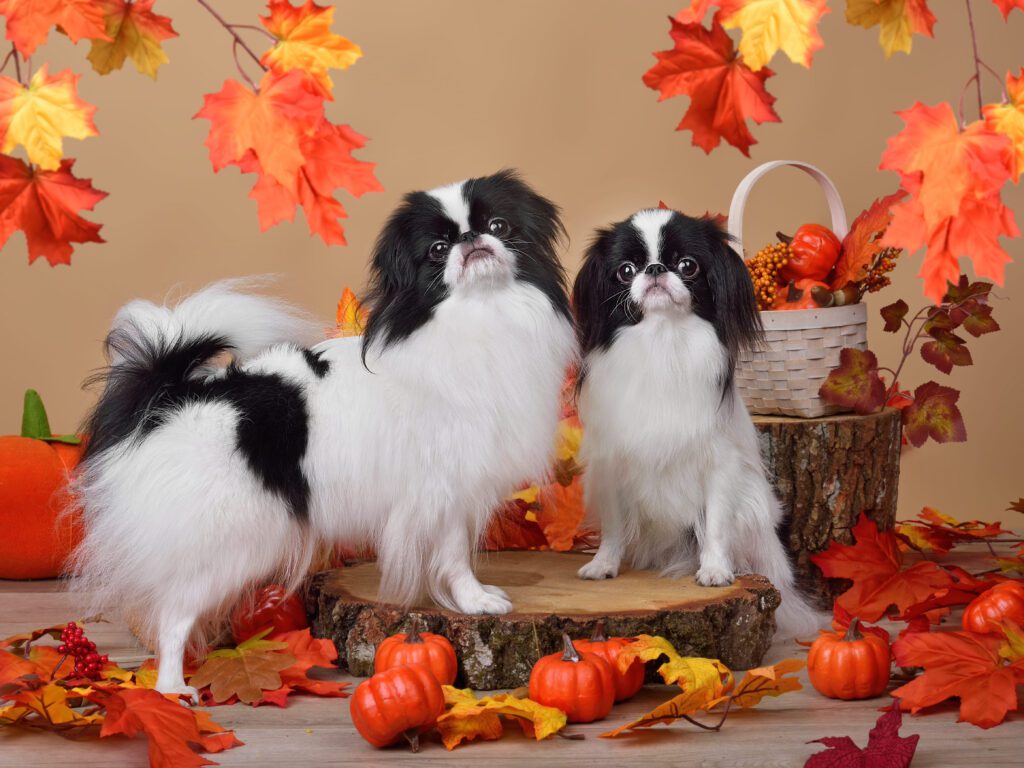
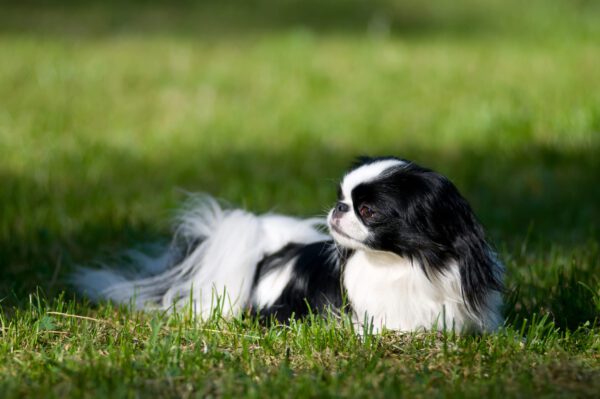
The Japanese Chin is a charming companion dog with a gentle spirit, expressive eyes, and a silky coat that turns heads. This toy breed loves people and prefers to stay close, which makes daily life feel cozy and connected. The breed enjoys short play sessions and relaxed walks, then settles easily for couch time. A Japanese Chin is sensitive and clever, so this dog thrives in calm homes with kind handling and predictable routines.
Research before you adopt so you match the breed’s needs with your lifestyle. The coat needs regular brushing to prevent tangles, and tear-stain care keeps the face clean. A short muzzle means the dog manages heat poorly, so summer shade and indoor cooling matter. Adoption gives a dog a second chance and supports ethical rescue work that evaluates health and behavior. Wisconsin’s climate brings frigid winters, icy sidewalks, and humid summers. A Japanese Chin does best with short winter outings, warm layers, and indoor exercise on the coldest days. Apartments in cities fit this breed well, and suburban or rural homes work when yards are secure and supervision is consistent. This dog values companionship, so plan for midday breaks or pet care if you work long hours.
You can avoid searching rescues and shelters separately by using Dog Academy. The listings make it easy to browse available dogs from local animal shelters, regional rescues, and breed-specific rescue groups in one place. Dog Academy also provides educational guides and adoption checklists that help you prepare for each step with confidence.
Start by browsing listings and reading each bio closely. Look for details about age, energy level, medical needs, and household fit. Use filters to sort by distance, age, and size so you focus on suitable matches. When you find a good fit, submit an application that explains your home setup, daily schedule, and experience. Many groups ask for a veterinarian reference and landlord approval when you rent, and some request photos of your yard or living space.
After you apply, most organizations schedule a phone interview to discuss care plans and expectations. Meet-and-greets often happen at the shelter, a foster home, or a neutral public space. If you have resident pets, groups typically guide a slow introduction to keep stress low. Home checks may be virtual or in person to confirm safe fencing, secure trash, and a quiet place for decompression. Timelines vary, but many approvals take 3 to 14 days, and medical holds or behavior evaluations can extend the process to 2 to 4 weeks.
Some rescues arrange transport to move dogs between locations when a strong match is found. Transport is organized by volunteers or professional partners who follow set routes and schedules. Dogs travel with health certificates when required, and adopters meet at a designated handoff point. A small transport fee may apply, and the rescue explains costs and pickup details in advance.
|
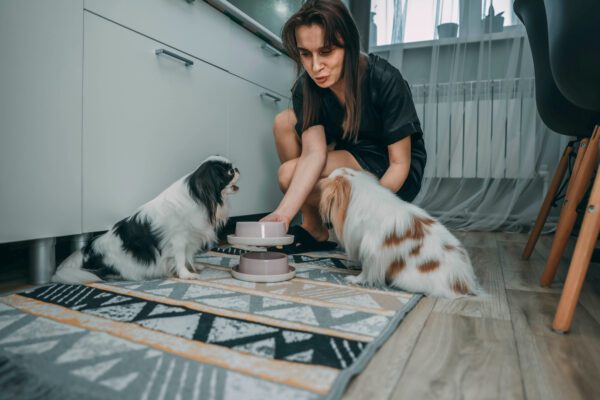
How Much Does It Cost to Adopt a Japanese Chin in Wisconsin?In Wisconsin, most adopters pay $250 to $450 to adopt a Japanese Chin from a shelter or rescue. Puppies placed through breed-focused groups can reach $500 to $600 due to higher demand and early veterinary care. Age, training, and medical history affect the fee, and small toy breeds sometimes carry higher costs when interest is strong. Adoption fees usually include spaying or neutering, vaccinations, microchipping, and veterinary exams. Many groups also provide deworming, heartworm testing, and a starter flea and tick preventive. Seniors or dogs with ongoing needs may have lower fees or sponsored discounts, while dogs that complete training or specialty medical procedures may be priced slightly higher to cover care. |
How Should I Train a Japanese Chin?The Japanese Chin is bright, people focused, and eager to please. Short, upbeat sessions work best, and gentle guidance keeps this sensitive dog confident. Reward-based methods using soft treats and praise build trust and reduce stress. Crate training with a calm introduction helps with house training and creates a safe resting place. Winter potty plans are essential in Wisconsin, so use a consistent schedule, a cleared outdoor path, and an indoor potty area for severe weather days. Early socialization with friendly people and calm dogs supports resilience and polite manners. Common challenges include inconsistent house training, alert barking, and a selective recall. Prevent problems by reinforcing quiet moments, teaching a reliable “come,” and rewarding calm greetings. Use a lightweight harness for leash work to protect the neck and encourage smooth movement. Mental enrichment through puzzle feeders and scent games satisfies a curious mind without heavy exercise. For step-by-step guidance from home, explore Dog Academy’s online training courses, which cover manners, house training, and enrichment tailored to small companion breeds. |
|
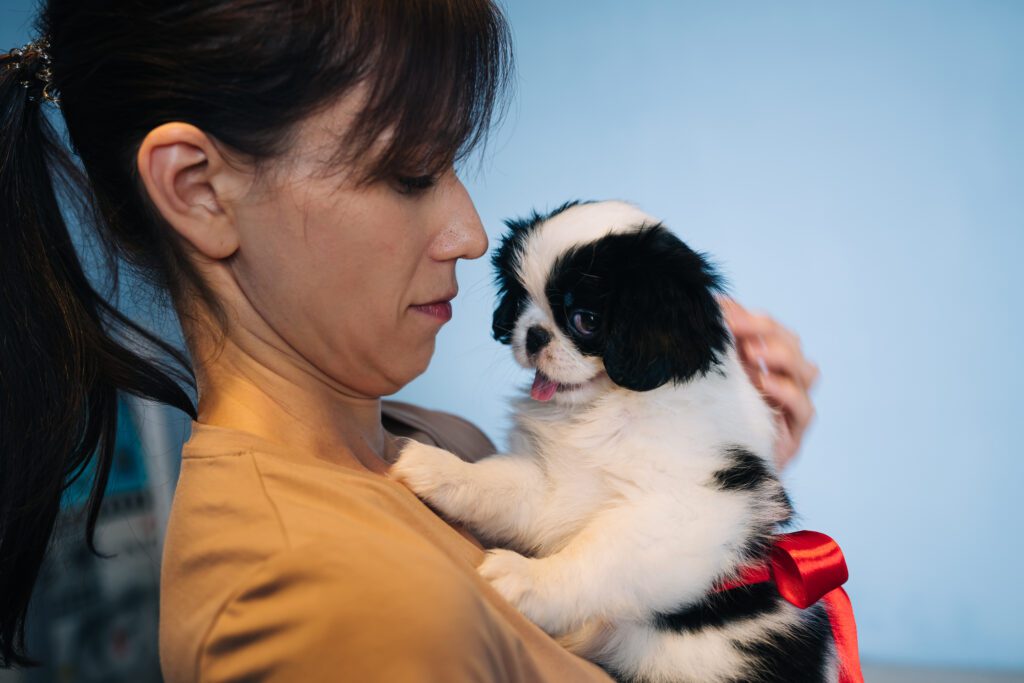
The ideal adopter enjoys close companionship, keeps a steady routine, and values gentle training. Apartment dwellers, retirees, and remote workers often find this breed a perfect match. Families with older children who handle dogs softly also succeed.
Take time to prepare your home, choose a veterinarian, and gather grooming tools and winter gear. Research carefully, ask thoughtful questions, and move at the dog’s pace. When you are ready, use Dog Academy to explore listings and bring home the Japanese Chin that fits your Wisconsin life.

Introducing a new puppy to your current dog is often an exciting process, and many dogs will become fast friends and eas...
Read More
Rescue dogs can make great companions and can transform your home into something better. These dogs make great pets and ...
Read More
You should never rush to pet a dog. Even dog owners make the mistake of approaching unfamiliar dogs and petting them rig...
Read More
Puppy mill dogs are survivors who have endured extreme hardships in their lives. They have grown up in horrendous, unsan...
Read More
With their wagging tails and comforting presence, adopting a dog can add a unique touch to your life. It’s a heart...
Read More
Older dogs may have a few gray hairs around the edges, but that doesn’t mean they can’t make wonderful companions! T...
Read More