



























































































































































































Introducing a new puppy to your current dog is often an exciting process, and many dogs will become fast friends and eas...
Read MoreAdopt Me

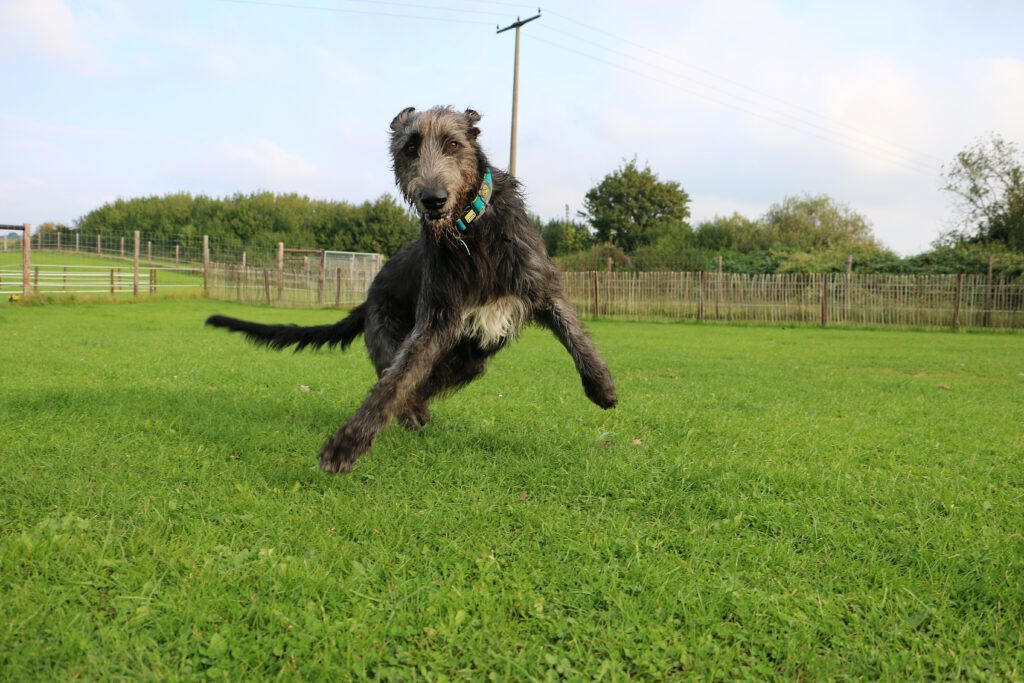


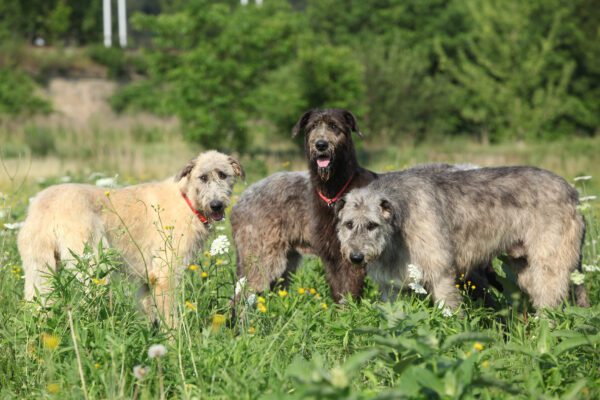
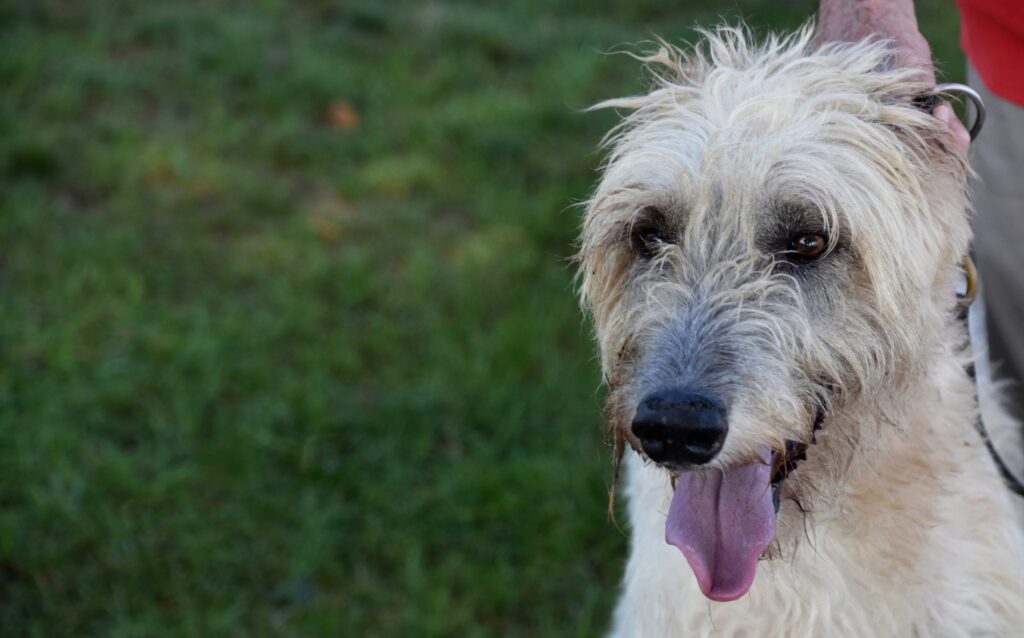
The Irish Wolfhound is calm, noble, and deeply affectionate. This giant sighthound thrives with gentle guidance and close companionship. The breed brings a peaceful presence to the home and enjoys relaxed time with the family after modest daily exercise. Careful research helps every adopter understand size, care needs, and long-term costs before bringing home such a large dog.
Adoption gives a deserving dog a second chance and helps reduce overcrowding in animal shelters. Many Irish Wolfhounds enter rescue due to changes in an owner’s life rather than behavior problems. North Carolina offers a good environment for this breed when owners plan for climate and space. Summers in the coastal plain and Piedmont are hot and humid, so the breed needs shade, water, and cooler walk times. Winters are mild across much of the state, and the mountains offer cooler air and scenic trails for low-impact hikes.
Daily life in North Carolina suits the Irish Wolfhound when families provide room to stretch, soft bedding for joints, and safe places for short sprints. Suburban yards with secure fencing work well. City living can also succeed when owners commit to frequent walks, elevator or stair safety, and mindful management of heat. An informed plan leads to a smooth transition and a happy start.
You can skip searching rescues and shelters one by one by starting with Dog Academy. You can browse adoptable Irish Wolfhounds from local animal shelters, regional rescues, and breed-specific rescue groups in one place. You can also use Dog Academy’s educational guides and adoption checklists to understand requirements and prepare your home. This approach saves time and helps you compare options thoughtfully.
The process begins with browsing listings and reading each dog’s profile. Profiles usually explain age, temperament, medical history, and ideal home type. Submitting an application comes next. Applications often request references, proof of residence, and landlord approval when you rent. Some groups ask about fencing, activity level, and experience with giant breeds to ensure a safe match.
After the application review, many organizations schedule a phone interview and a meet-and-greet. A meet-and-greet lets you observe manners, movement, and comfort with all family members. Home checks are common for large breeds because space, stairs, and flooring can affect safety. A virtual tour or an in-person visit helps confirm that your environment supports a giant dog. Approval timelines vary. Many adoptions move from application to decision in 1 to 3 weeks, and some breed-focused groups take 2 to 4 weeks when they coordinate medical care or transport.
Transport is sometimes arranged by rescues to move dogs between locations when a better match is found. Transport involves volunteer drivers or professional services that bring the dog from one city or state to another while the rescue manages scheduling and health paperwork. Clear communication keeps the process smooth, and careful planning ensures a calm arrival.
|
How Much Does It Cost to Adopt a Irish Wolfhound in North Carolina?Most families in North Carolina can expect to pay $250 to $600 to adopt an Irish Wolfhound through a shelter or rescue. Puppies and highly in-demand young adults can reach $500 to $700 when medical costs and demand are higher. Fees reflect the dog’s age, training, and medical care. Costs also rise when groups invest in advanced treatment before adoption. Adoption fees commonly include spaying or neutering, vaccinations, microchipping, and veterinary exams. Many organizations also provide heartworm testing, parasite screening, and treatment when needed, which can increase the fee in warm regions. Price can also reflect professional training, specialized diagnostics, or dental care completed before placement. Asking what the fee covers gives you a clear picture of value and care quality. |
How Should I Train a Irish Wolfhound?The Irish Wolfhound is intelligent, sensitive, and eager to please. The breed learns best with calm, consistent routines and short sessions that prevent fatigue. Positive reinforcement builds confidence and trust. Rewards such as soft treats, gentle praise, and stable expectations help this thoughtful giant understand what you want. Common training goals include leash manners, reliable recall in low-distraction areas, and polite greetings that protect joints and prevent accidental bumps. A sighthound’s prey drive can be strong outdoors, so start recall early and practice in fenced spaces. Socialization to surfaces, sounds, and friendly dogs builds resilience. Avoid harsh methods because they can shut down learning and reduce the bond. You can build skills step by step with Dog Academy’s online training courses. Courses provide structured lessons for puppy foundations, adult manners, loose-leash walking, recall, and confidence building. Clear videos and printable plans make it easy to practice at home and track steady progress. |
|
The ideal adopter has enough space for a giant dog, a stable routine, and a patient, gentle approach. A soft bed, non-slip flooring, and a secure yard or reliable walking plan set the stage for success. A realistic budget for high-quality food and large-dog veterinary care keeps your companion comfortable.
Take time to learn, prepare, and choose the right match. Move at a pace that lets you meet, ask questions, and confirm fit. With careful planning and the right resources, you can welcome an Irish Wolfhound that thrives in North Carolina and becomes a beloved member of your family.

Introducing a new puppy to your current dog is often an exciting process, and many dogs will become fast friends and eas...
Read More
Rescue dogs can make great companions and can transform your home into something better. These dogs make great pets and ...
Read More
You should never rush to pet a dog. Even dog owners make the mistake of approaching unfamiliar dogs and petting them rig...
Read More
Puppy mill dogs are survivors who have endured extreme hardships in their lives. They have grown up in horrendous, unsan...
Read More
With their wagging tails and comforting presence, adopting a dog can add a unique touch to your life. It’s a heart...
Read More
Older dogs may have a few gray hairs around the edges, but that doesn’t mean they can’t make wonderful companions! T...
Read More