



























































































































































































Introducing a new puppy to your current dog is often an exciting process, and many dogs will become fast friends and eas...
Read MoreAdopt Me

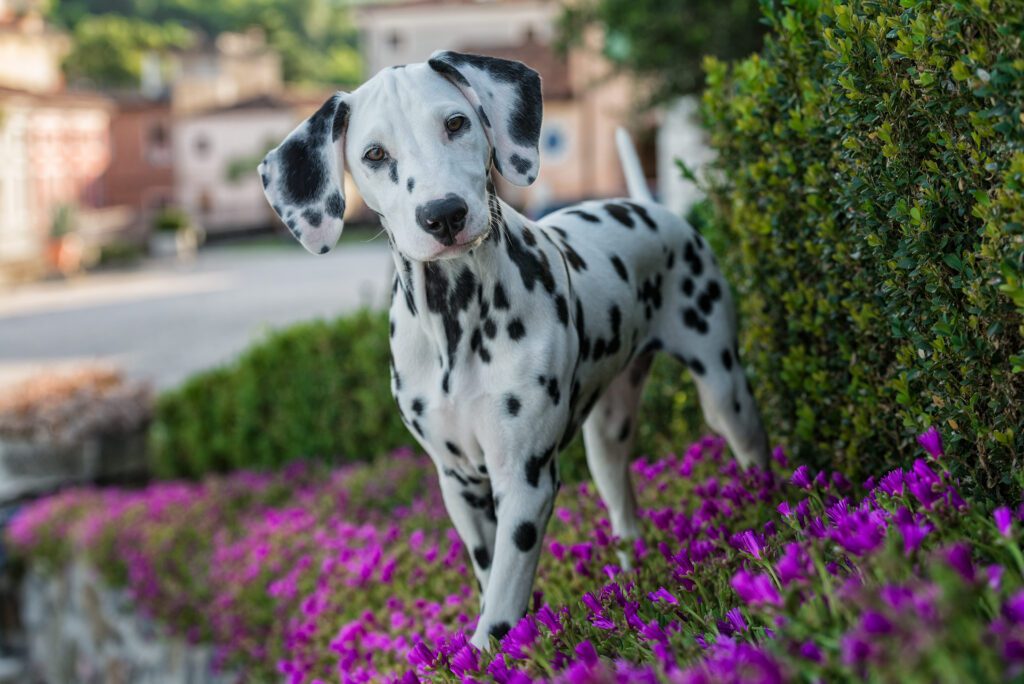
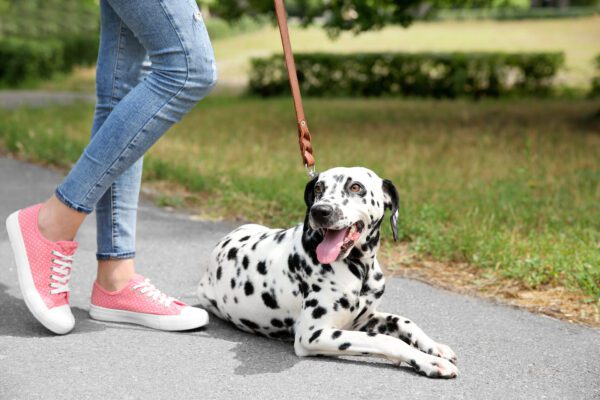
Dalmatians are smart, athletic, and eager companions who bond closely with their families. The breed is energetic and playful, and many dogs enjoy running, hiking, and learning new skills. A Dalmatian thrives with routine, structure, and clear training, and the breed sheds year-round despite its short coat. Careful research helps you match a dog’s energy to your lifestyle, which sets everyone up for success.
Adoption gives a dog a second chance while also giving you important support and value. Adoption often includes core veterinary care and behavior insights from people who know the dog. Buying a puppy can feel tempting, yet adopting a dog who already needs a home reduces overpopulation and often saves money that you can invest in training and supplies.
Arkansas offers a great setting for an active breed. The state has hot, humid summers and mild winters, which means you can exercise a Dalmatian for most of the year with smart scheduling. Early morning or evening walks help you avoid peak heat, and shade and water keep your dog safe. The Ozark and Ouachita regions provide trails and open spaces for adventures, while suburban yards and rural properties offer room to play. City life can also work when you commit to daily exercise, mental enrichment, and consistent training. Dalmatians can be sensitive to harsh handling and intense heat, so patient guidance and heat safety matter in Arkansas.
You can avoid searching shelters and rescues separately by starting with adoption listings through Dog Academy. You can also check local animal shelters, regional rescues, and breed-specific rescue groups that serve Arkansas. Many dogs live in foster homes, which lets you learn about each dog’s energy level, house manners, and social skills before you commit.
The process begins by browsing listings and reading full profiles. You can look for notes about energy, compatibility with children or other pets, and medical needs. When you find a good match, you submit an application that usually requests personal references, proof of housing rules, and your veterinary history if you have current pets. Some groups request landlord approval when you rent, and some ask about fencing or exercise plans to confirm a safe setup.
After an initial review, you may complete a phone interview and then schedule a meet-and-greet with the dog. Many groups also meet your resident pets to confirm a safe fit. A home check often verifies that your yard is secure, your supplies are ready, and your plan for exercise and training is realistic for a Dalmatian. Timelines vary by organization, but approvals commonly take 3 to 10 days for shelters and 1 to 3 weeks for rescues. Your responsiveness and the dog’s availability can change that timing.
Transport is often arranged by rescues to move dogs between locations when a strong match exists. Transport typically uses vetted volunteer drivers or professional services that coordinate safe travel and handoff at a pickup point. Finalizing the adoption may occur before travel or at pickup depending on group policy, and you receive records that document vaccinations, microchipping, and spaying or neutering.

|
How Much Does It Cost to Adopt a Dalmatian in Arkansas?Adoption fees for Dalmatians in Arkansas usually range from $150 to $350 for adults and from $250 to $450 for puppies. Senior dogs or dogs with special medical needs may be closer to $100 to $250. Fees tend to be lower at municipal shelters and higher at breed-focused rescues that invest more in specialized care. Costs reflect age, training, medical care, demand, and the length of time a dog stays in foster care. Most fees include spaying or neutering, vaccinations, microchipping, and veterinary exams. Some groups also include heartworm testing and treatment when needed, which can raise costs but protects long-term health. Plan a separate budget for essentials like a crate, leash and harness, bowls, a bed, toys, and high-quality food. A training budget helps as well, since structured guidance supports a smooth transition. |
How Should I Train a Dalmatian?Dalmatians are bright, active, and sensitive, which makes positive reinforcement the best approach. The breed learns quickly and enjoys problem-solving, yet boredom can cause unwanted behaviors like jumping, mouthing, or digging. Short, upbeat sessions with rewards keep focus high. Daily mental enrichment through scent games, puzzle feeders, and simple tricks supports calm behavior at home. Start with foundation skills that pay off in Arkansas neighborhoods and on trails. Loose-leash walking, reliable recall, impulse control at doors, and calm greetings make outings safer and more enjoyable. Reward quiet behavior and settle on a mat to teach an off switch. Avoid harsh corrections, because a Dalmatian can shut down when training feels punitive. If you want expert guidance you can learn at home with Dog Academy’s online training courses. Step-by-step lessons cover puppy basics, adult manners, recall, leash skills, and behavior troubleshooting so you can make steady progress. |
|
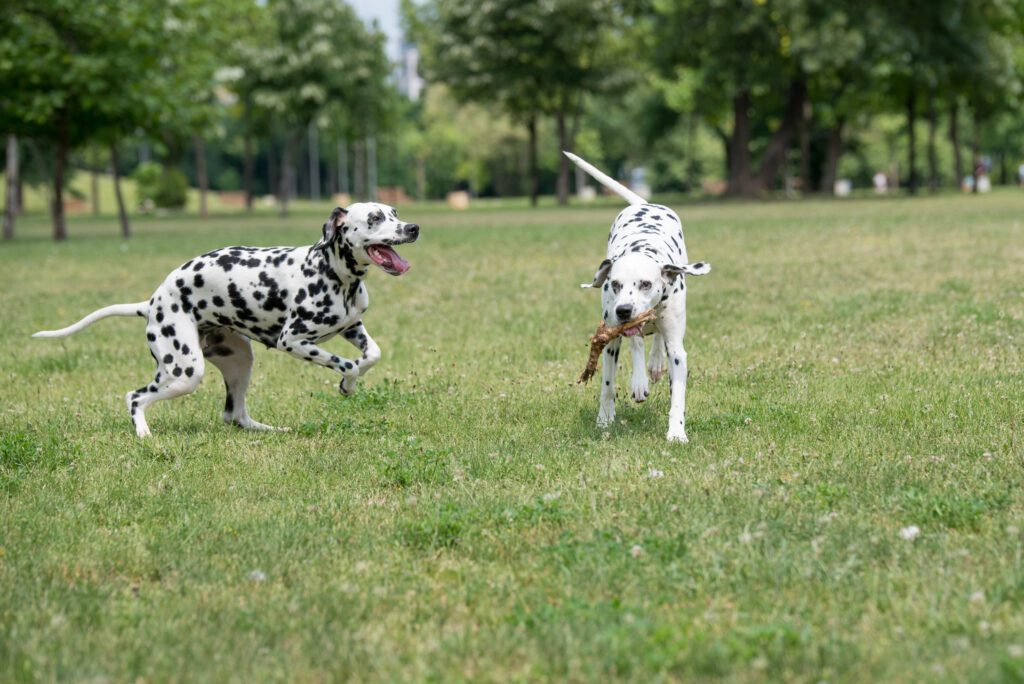
The ideal Dalmatian adopter enjoys daily activity, provides structure, and commits to consistent training. A secure yard helps, yet a dedicated routine of walks, play, and mental work matters more. Preparation makes the transition smooth, so gather supplies, plan vet care, and map out exercise before your dog comes home.
Take your time, ask detailed questions, and trust the process. When you understand the breed’s needs and choose a dog that fits your lifestyle, you set the stage for a happy life together in Arkansas. Start your search with adoption listings through Dog Academy, and move forward with confidence.

Introducing a new puppy to your current dog is often an exciting process, and many dogs will become fast friends and eas...
Read More
Rescue dogs can make great companions and can transform your home into something better. These dogs make great pets and ...
Read More
You should never rush to pet a dog. Even dog owners make the mistake of approaching unfamiliar dogs and petting them rig...
Read More
Puppy mill dogs are survivors who have endured extreme hardships in their lives. They have grown up in horrendous, unsan...
Read More
With their wagging tails and comforting presence, adopting a dog can add a unique touch to your life. It’s a heart...
Read More
Older dogs may have a few gray hairs around the edges, but that doesn’t mean they can’t make wonderful companions! T...
Read More