




























































































































































































Introducing a new puppy to your current dog is often an exciting process, and many dogs will become fast friends and eas...
Read MoreAdopt Me
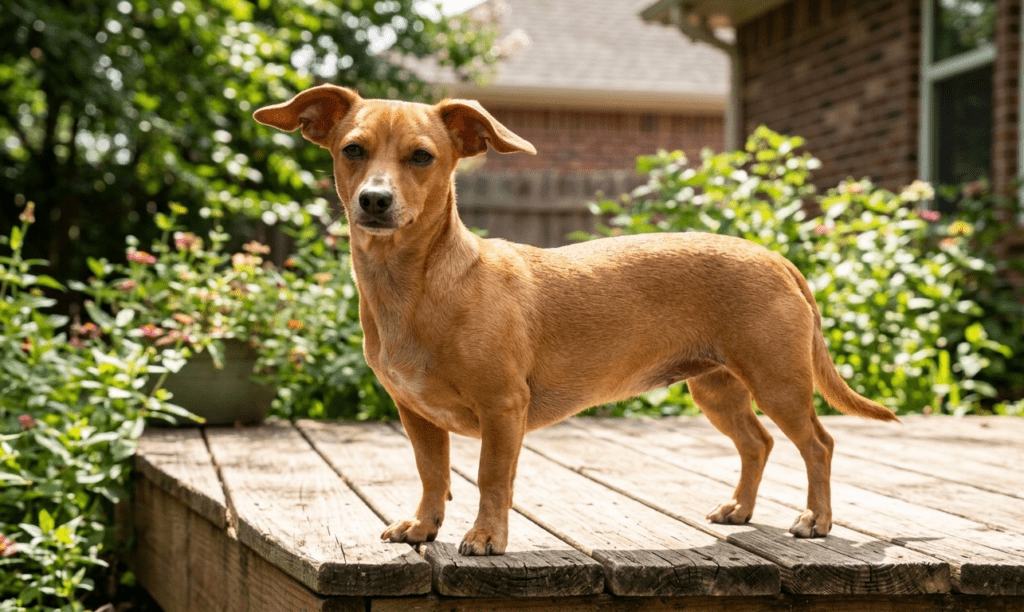

The Chiweenie blends the Chihuahua’s devotion with the Dachshund’s charm. This small companion is affectionate, alert, and playful. Many Chiweenies love lap time and cozy blankets, yet they also enjoy short bursts of activity and puzzle games. Their compact size suits apartments and small homes, and their loyalty makes them wonderful companions for singles, couples, and families with gentle, dog-savvy children.
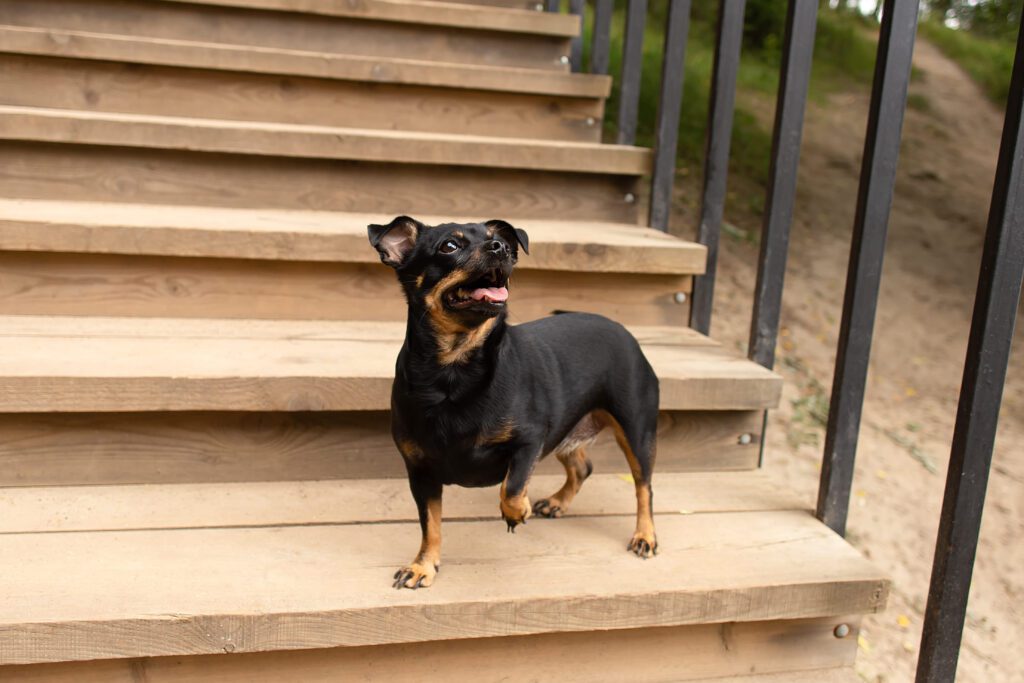
Research matters before any adoption. Understanding a Chiweenie’s needs helps you set realistic expectations and prevents mismatches. Adoption is a smart choice because it opens space for another dog in need and often provides a pet who is already vetted. Wisconsin’s climate can challenge this breed due to cold winters. A Chiweenie typically needs a warm coat, booties when ice is present, and shorter winter walks. Summers can feel humid near lakes, so shade and water are essential. City living can suit a Chiweenie when daily walks and mental enrichment are consistent. Rural life can work well too with secure fencing and leashed outings, since some Chiweenies carry a strong prey drive. Stairs in older homes require care because long backs benefit from ramps and careful lifting.
You can avoid searching shelters and rescues one by one by using Dog Academy. You can browse current Chiweenie listings in one place and filter by age, size, and location. You can also use Dog Academy’s educational guides and adoption checklists to prepare your home, plan your budget, and set expectations for the first weeks.
Adoptable Chiweenies appear through local animal shelters, regional rescues, breed-specific rescue groups, and foster networks. Start by browsing listings and reading each dog’s bio. Ask clear questions about temperament, barking history, house training progress, medical records, and compatibility with children or other pets. A Chiweenie’s mixed heritage can shape needs like warmth in winter, gentle handling to protect the back, and steady mental stimulation.
Most organizations use a similar process. You complete an application and share a government ID, proof of address, landlord permission when you rent, and veterinary or personal references. Staff review your information and schedule a meet-and-greet to confirm a good match for your family and any resident pets. Some groups conduct a home check by video or in person to confirm safe containment, a plan for potty breaks, and a quiet space for decompression. Approvals often take 3 to 10 days, and they can stretch to 1 to 3 weeks during high demand. When a dog is not nearby, rescues sometimes arrange transport between locations. Transport is often organized with scheduled routes and volunteer drivers, and adopters typically contribute a fee that covers fuel, vehicle costs, and caregiver time. Pickups usually occur at designated, safe meeting points.

|
How Much Does It Cost to Adopt a Chiweenie in Wisconsin?In Wisconsin, most adopters pay $200 to $450 for a Chiweenie. Puppies tend to sit at the higher end due to demand and preventive care, while adults and seniors are usually lower. Fees rise when a dog receives extra medical treatment like a dental cleaning or hernia repair, and they can increase when a dog completes basic training. Costs vary by location and by each group’s expenses for food, housing, and veterinary care. Adoption fees typically include spaying or neutering, vaccinations, microchipping, and veterinary exams. Many groups also cover deworming and heartworm testing. Plan for supplies like a well-fitted harness, a warm jacket, a crate, and a ramp to protect the back on stairs. Wisconsin communities also require a dog license, which carries a small local fee. |
How Should I Train a Chiweenie?Chiweenies are bright and people-focused, which makes training effective when it stays upbeat and consistent. They can be sensitive and stubborn, so positive reinforcement with tiny treats and praise works best. Common challenges include house training during cold weather, barking at sounds or strangers, and pulling toward wildlife. Use short sessions and clear cues. Reward quiet moments before barking starts, teach a solid name response, and build a strong settle on a mat. Handle the body gently and teach cooperative care to protect the back. Set a predictable potty schedule, use a crate to build reliable habits, and create a winter potty area with shoveled paths for small paws. Socialize with calm, friendly dogs and kind people, and reward relaxed behavior. Teach loose-leash walking and impulse control with simple games that build focus. For step-by-step help at home, explore Dog Academy’s online training courses, which cover house training, barking reduction, leash manners, and enrichment tailored to small dogs. |
|
The ideal Chiweenie adopter enjoys daily short walks, indoor play, and plenty of cuddle time. A great match provides warmth in winter, gentle back-safe handling, and patient training built on rewards. Prepare your home, gather your supplies, and take time to meet more than one dog. When you are ready, browse Dog Academy’s adoption listings, use the guides and checklists, and move at a pace that keeps your new Chiweenie confident and comfortable.

Introducing a new puppy to your current dog is often an exciting process, and many dogs will become fast friends and eas...
Read More
Rescue dogs can make great companions and can transform your home into something better. These dogs make great pets and ...
Read More
You should never rush to pet a dog. Even dog owners make the mistake of approaching unfamiliar dogs and petting them rig...
Read More
Puppy mill dogs are survivors who have endured extreme hardships in their lives. They have grown up in horrendous, unsan...
Read More
With their wagging tails and comforting presence, adopting a dog can add a unique touch to your life. It’s a heart...
Read More
Older dogs may have a few gray hairs around the edges, but that doesn’t mean they can’t make wonderful companions! T...
Read More