




























































































































































































Introducing a new puppy to your current dog is often an exciting process, and many dogs will become fast friends and eas...
Read MoreAdopt Me

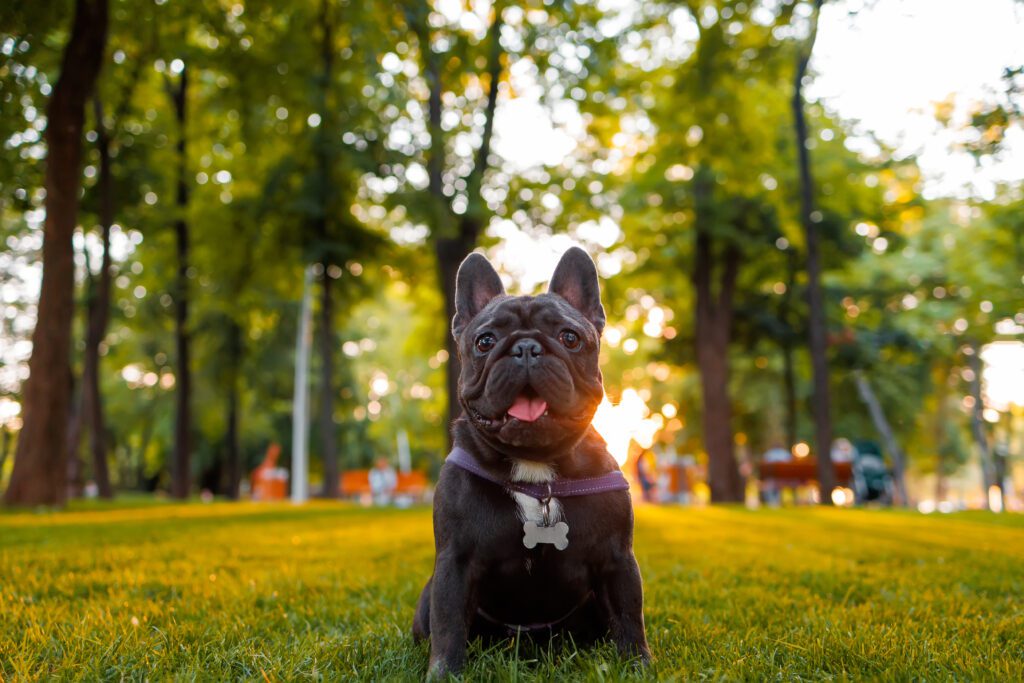



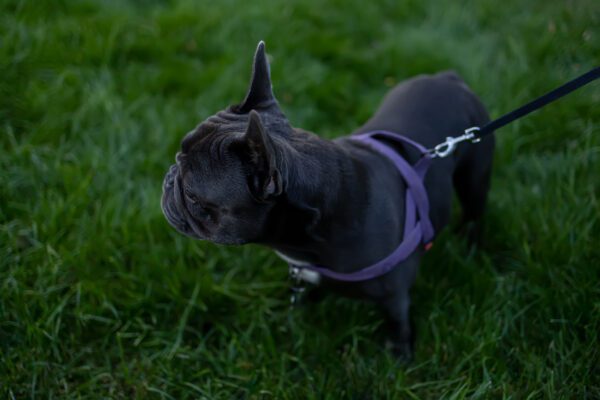
The Blue French Bulldog is a compact companion with a big personality. This breed is affectionate, calm, and charming. Most Blue French Bulldogs enjoy cuddling, short play sessions, and quiet time with their families. The breed usually fits well in apartments and suburban homes because exercise needs are moderate and barking tends to be minimal.
Smart adoption starts with research. A Blue French Bulldog has a flat face and a stocky build. This body type can make breathing and heat regulation more difficult. Adoption gives you access to a known history and recent veterinary care. Adoption also supports responsible rescue practices and gives a deserving dog a second chance.
North Carolina can suit this breed when you plan around climate and geography. Summers are hot and humid, which increases heat stress risk for a brachycephalic dog. Winters are often mild, but cold mountain mornings still call for short walks. Coastal zones can be breezy and sunny, so shade and hydration are essential. A Blue French Bulldog thrives with indoor living, air conditioning, and calm activities. Hikes on steep trails or long runs in humidity are not a good fit. Neighborhood strolls and indoor enrichment work well across the state.
You can avoid searching for rescues and shelters separately by using Dog Academy. You can browse current listings, read full profiles, and save time with helpful guides and adoption checklists. You can also watch for new postings if the perfect match is not available today.
Adoptable Blue French Bulldogs in North Carolina may appear in local animal shelters, regional rescues, and breed-specific rescue groups. Many are placed in foster homes, which helps you learn about temperament, house manners, and medical needs. Start by browsing listings and filtering for size, age, and location. Read each profile closely. Look for notes about breathing tolerance, skin health, and energy level.
Most groups follow a similar process. You submit an application that includes your household details, schedule, and experience with flat-faced breeds. Teams usually complete reference checks and landlord verification when needed. A meet-and-greet follows when your application matches the dog. Some groups also complete a home check to confirm safety items such as secure fencing and air-conditioned space. Approval timelines vary by group and dog, but 1 to 3 weeks is common when paperwork and scheduling move quickly. If a dog is located in another city, rescues sometimes arrange transport to move dogs between shelters, foster homes, or regional hubs. Transport can be handled by volunteers or by trusted carriers, and a small transport fee may apply.
Understanding breed needs will help your application stand out. Explain your plan for climate management, short exercise sessions, and veterinary care. Mention indoor enrichment and crate training. Share how you will monitor for breathing stress and skin irritation. Clear plans signal a stable, safe placement.
|
How Much Does It Cost to Adopt a Blue French Bulldog in North Carolina?Most adopters in North Carolina can expect a fee in the range of $400 to $800 for a Blue French Bulldog. The final amount reflects age, demand for the breed, prior training, and recent medical care. Young adults and highly social dogs often sit near the top of the range. Seniors or dogs with ongoing needs can be lower. Adoption fees typically include spaying or neutering, vaccinations, microchipping, and veterinary exams. Some dogs also arrive with dental cleanings, behavior assessments, and starter preventives. Fees help rescues recover costs for specialty care that French Bulldogs often need, which can include airway evaluation or treatment for skin and ear issues. |
How Should I Train a Blue French Bulldog?The Blue French Bulldog is intelligent and people focused, yet can be stubborn. Short, upbeat sessions work best because attention spans are limited. Use clear cues, generous praise, and small soft treats. The breed responds well to positive reinforcement and struggles with harsh corrections. Keep sessions brief and end on a success. Focus first on name recognition, hand-targeting, and calm leash skills. House training can take time, so use a regular potty schedule and reward promptly after success. Crate training supports rest and safety, especially in hot weather when quiet indoor time matters. Socialize carefully with calm dogs and friendly people. Watch for signs of breathing stress such as loud panting, blue-tinged gums, or slowing down, and pause training when you see them. For structured help, explore Dog Academy’s online training courses that cover foundations, leash manners, and confidence building for sensitive dogs. |

|
The ideal owner provides an indoor lifestyle, air conditioning, and patient training. A steady routine suits this breed. Short walks, gentle play, and quiet time on the couch make life complete for a Blue French Bulldog. Budget for routine care and be prepared for possible skin or airway support.
Take your time and prepare your home before you apply. Gather supplies, line up a veterinarian, and review training plans. Research carefully, ask thoughtful questions, and let fit guide every decision. When you are ready to adopt a Blue French Bulldog in North Carolina, start with Dog Academy and move forward with confidence.

Introducing a new puppy to your current dog is often an exciting process, and many dogs will become fast friends and eas...
Read More
Rescue dogs can make great companions and can transform your home into something better. These dogs make great pets and ...
Read More
You should never rush to pet a dog. Even dog owners make the mistake of approaching unfamiliar dogs and petting them rig...
Read More
Puppy mill dogs are survivors who have endured extreme hardships in their lives. They have grown up in horrendous, unsan...
Read More
With their wagging tails and comforting presence, adopting a dog can add a unique touch to your life. It’s a heart...
Read More
Older dogs may have a few gray hairs around the edges, but that doesn’t mean they can’t make wonderful companions! T...
Read More