



























































































































































































Introducing a new puppy to your current dog is often an exciting process, and many dogs will become fast friends and eas...
Read MoreAdopt Me

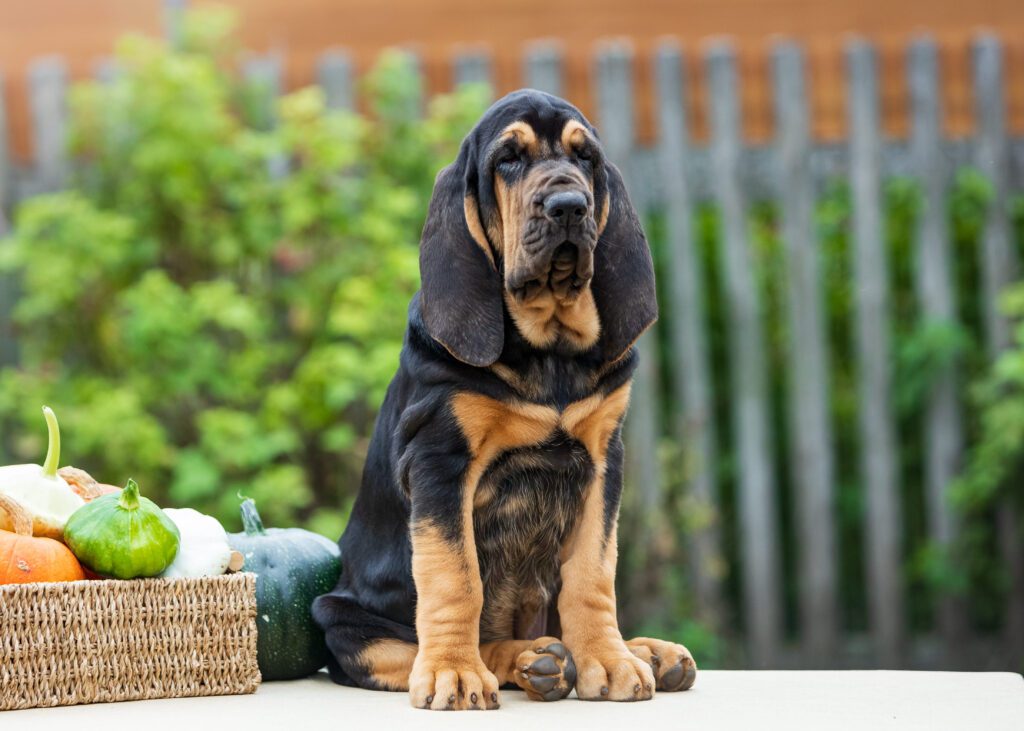

The Bloodhound is a gentle, devoted, and famously nose-driven companion. This breed brings a calm presence at home and remarkable stamina on the trail. A Bloodhound suits families that value patience, routine, and outdoor time, and this breed thrives when its incredible scenting ability has an outlet.
Thoughtful research makes every adoption stronger. Adoption gives a dog a second chance and helps shelters and rescues continue their lifesaving work. Adopted Bloodhounds often arrive with helpful background notes and completed veterinary care, which supports an easier transition than buying from unknown sources.
Iowa offers wide-open spaces, quiet neighborhoods, and scenic paths that fit the Bloodhound’s love of long, steady walks. The state’s cold winters call for shorter outings during extreme wind chills, while hot and humid summers require shade, water, and rest to prevent overheating. Secure fencing is important because a Bloodhound may follow a scent without warning. Apartment living in Iowa can work when an adopter commits to daily exercise, enrichment, and consistent training.
You can avoid searching rescues and shelters separately by browsing adoptable dogs through Dog Academy. You can review Bloodhound listings in one place, read clear profiles, and access helpful educational guides and adoption checklists that prepare your home and schedule. You can also look at local animal shelters, regional rescues, and breed-specific rescue groups that serve Iowa and nearby states.
The adoption process usually begins with browsing listings and submitting an application that explains your experience, home setup, schedule, and veterinary plan. Most groups request personal references, proof of landlord approval when you rent, and information about current pets. Clear, detailed answers help teams match you with a Bloodhound whose energy and temperament fit your lifestyle.
After an application review, many groups schedule a meet-and-greet. Meetings allow you to observe the dog’s body language, discuss routines, and introduce family members and resident pets. Some organizations conduct a home check to confirm safe fencing, secure trash storage, and proper space for rest and feeding. Home checks may occur in person or by virtual tour, and they confirm safety rather than perfection.
Approval timelines vary with demand and staffing. Straightforward applications can move in a few days, while complex placements or popular dogs may take a few weeks. If a suitable Bloodhound is located outside your immediate area, rescues may arrange transport between locations. Transport is a coordinated effort that moves dogs through a network of volunteers or professional drivers to approved adopters, and scheduling depends on routes, weather, and the dog’s health clearance.
|
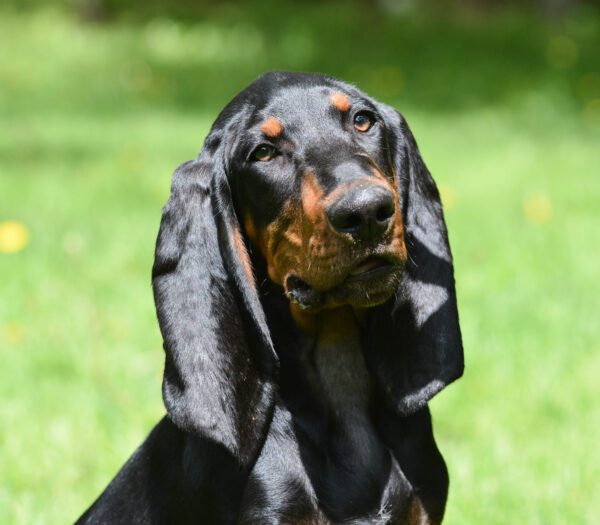
How Much Does It Cost to Adopt a Bloodhound in Iowa?Most Iowa shelters and rescues place Bloodhounds for $250 to $450. Fees reflect a large breed’s higher care costs and cover essential services including spaying or neutering, vaccinations, microchipping, and veterinary exams. Puppies or young adults may sit at the higher end because demand and routine care are greater, while seniors or dogs with special needs may be lower to encourage placement. Costs also vary with medical history, training, and each organization’s expenses. Fees may increase when a Bloodhound receives advanced care such as dental work, orthopedic support, or heartworm treatment. Fees may decrease when a dog has been in care for an extended time. Transparent fee breakdowns help you see how your payment supports the dog’s health and a safe transition into your home. |
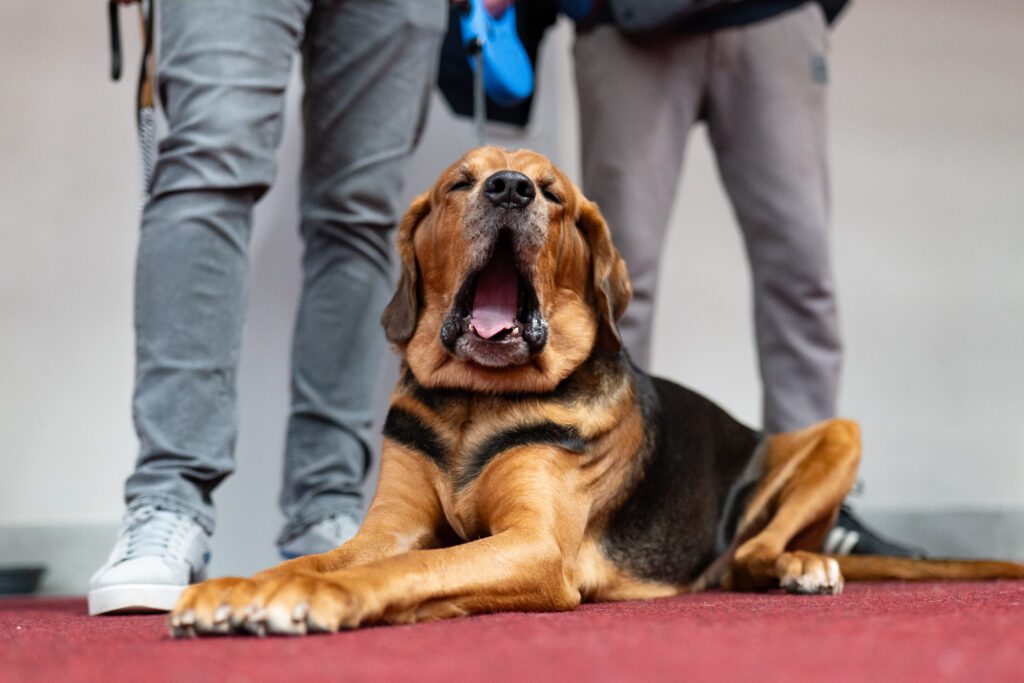
How Should I Train a Bloodhound?Bloodhounds are intelligent and perceptive, yet they are also independent thinkers that follow scent before instruction. Training works best when it channels the nose. Short, upbeat sessions with food rewards build focus and trust. Positive reinforcement encourages the dog to choose desired behaviors like checking in, walking on a loose leash, and settling calmly after exercise. Common challenges include pulling, selective recall, and vocalizing when bored. You can address these needs with structured sniff walks, long-line training in secure areas, and frequent mental enrichment. Consistency matters. Use clear cues, reward desired choices, and set up the environment to prevent mistakes. You can build skills faster with Dog Academy’s online training courses, which offer step-by-step lessons for recall, leash manners, crate comfort, and scent games that satisfy a Bloodhound’s natural drive. |
|
The ideal Iowa adopter enjoys steady walks in all seasons, commits to daily enrichment, and keeps a secure home and yard. A Bloodhound owner stays patient with training, accepts drool and some shedding, and checks long ears often to keep them clean and healthy. Preparation makes life easier for both you and your new dog.
Take your time, ask detailed questions, and set a realistic routine before you bring a Bloodhound home. When you are ready, explore available dogs through Dog Academy’s adoption listings, review training resources, and choose a companion whose needs match your lifestyle. A thoughtful approach leads to a happy, lasting match in Iowa.

Introducing a new puppy to your current dog is often an exciting process, and many dogs will become fast friends and eas...
Read More
Rescue dogs can make great companions and can transform your home into something better. These dogs make great pets and ...
Read More
You should never rush to pet a dog. Even dog owners make the mistake of approaching unfamiliar dogs and petting them rig...
Read More
Puppy mill dogs are survivors who have endured extreme hardships in their lives. They have grown up in horrendous, unsan...
Read More
With their wagging tails and comforting presence, adopting a dog can add a unique touch to your life. It’s a heart...
Read More
Older dogs may have a few gray hairs around the edges, but that doesn’t mean they can’t make wonderful companions! T...
Read More