


























































































































































































Introducing a new puppy to your current dog is often an exciting process, and many dogs will become fast friends and eas...
Read MoreAdopt Me

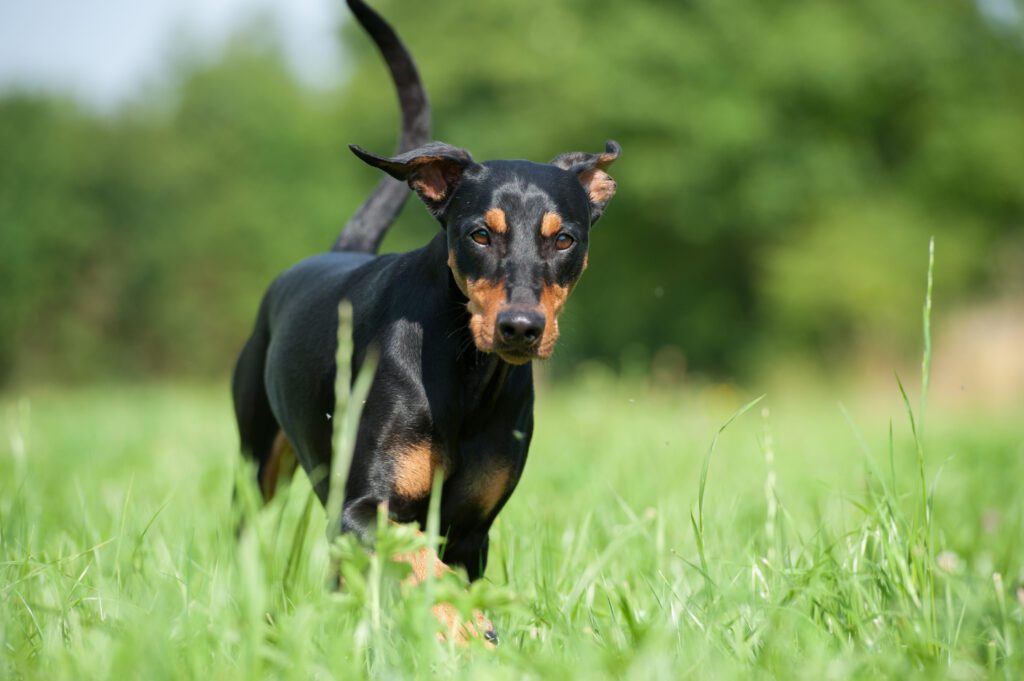
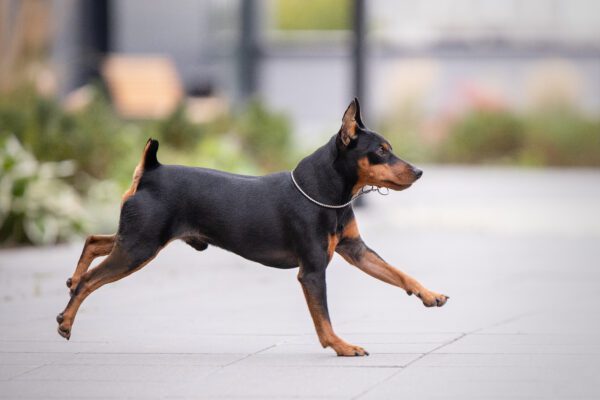
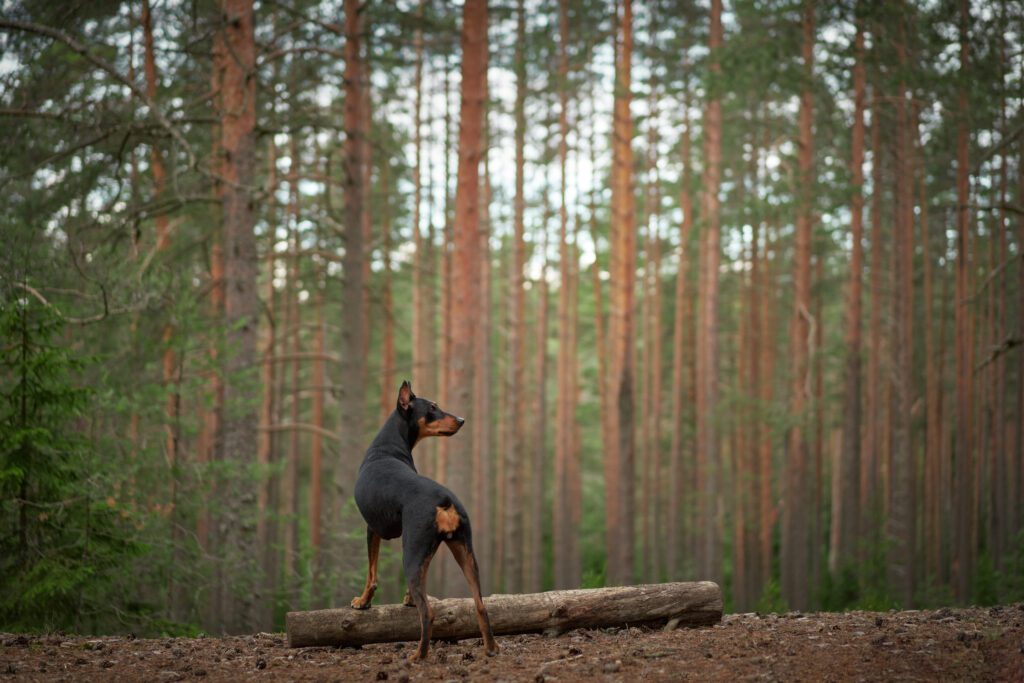
The German Pinscher is a bright, lively, medium-sized companion that loves to work and play. This breed is alert, confident, and affectionate with family, and it thrives when given consistent training and daily mental challenges. Strong athletic ability and a watchful nature make the German Pinscher a devoted partner for active owners who enjoy engagement and structure.
Thoughtful research helps you match this energetic breed with your lifestyle. Adoption gives a deserving dog a second chance while also supporting ethical placement and responsible care. Adopting rather than buying often includes essential veterinary work and behavior assessments, which helps you start off on solid ground.
Iowa’s four-season climate calls for sensible routines. Cold winters with snow and ice require short, frequent walks and a warm coat because the German Pinscher has a short, sleek coat that does not insulate well. Hot and humid summers require shade, cool water, and exercise during cooler hours. Iowa’s open spaces and quiet neighborhoods suit this breed’s exercise needs when paired with secure containment, while apartment living can also work when you provide daily training, structured walks, and enrichment.
You can avoid searching rescues and shelters separately by browsing centralized listings on Dog Academy. You can filter for breed, age, and location, which saves time and keeps your search organized. Dog Academy also offers educational guides and adoption checklists that help you prepare your home, set a budget, and plan the first weeks with your new companion.
In Iowa, adoptable German Pinschers may appear through local animal shelters, regional rescues, and breed-specific rescue groups that serve multiple states. Start by browsing current listings, then read each dog’s profile carefully. Profiles usually outline age, temperament, medical history, and care needs, which helps you identify good matches before you apply.
The application process typically includes a detailed questionnaire about your household, schedule, training approach, and veterinary history. Many groups schedule a phone interview to clarify expectations and to discuss the dog’s daily routine. Meet-and-greets let you observe behavior, energy level, and compatibility with family members and resident pets. Home checks are common and are completed by a volunteer visit or a live video tour that reviews safety hazards, yard fencing, and readiness for the dog’s arrival. Approval timelines vary based on volunteer availability, references, and the number of applicants, and most decisions are completed within 1 to 3 weeks.
Because the German Pinscher is not common in Iowa, you may find candidates in neighboring regions. Rescues sometimes arrange transport to move dogs between locations. Transport is often handled by volunteer drivers or licensed carriers who coordinate a route to deliver the dog safely to the approved adopter, and modest travel fees may apply. Always confirm who provides the crate, who manages handoffs, and how health records travel with the dog.
Before you commit, make sure you understand the breed’s needs. The German Pinscher is intelligent, energetic, and determined, so it requires daily exercise, leadership that feels fair and consistent, and training that rewards calm choices. Plan for structured enrichment, reliable containment, and polite leash skills to keep your new dog successful in busy Iowa neighborhoods and open rural spaces.
|
How Much Does It Cost to Adopt a German Pinscher in Iowa?Expect most Iowa adoptions for an adult German Pinscher to fall between $300 and $450. Puppies are less common and often range from $400 to $600. Fees trend slightly higher when the dog receives recent medical work or professional training. Costs reflect age, training history, medical care, and local demand, and they often include spaying or neutering, vaccinations, microchipping, and veterinary exams. Rarer availability in Iowa can also raise costs because regional rescues may invest in transport and specialized care before placement. Plan for add-on expenses that are not part of the adoption fee. Transport can add $50 to $200 when the dog travels from another area. A city license, a collar and ID tags, a crate, a bed, and quality food increase first-month costs. Budgeting for these items helps you focus on training and bonding once your dog arrives. |
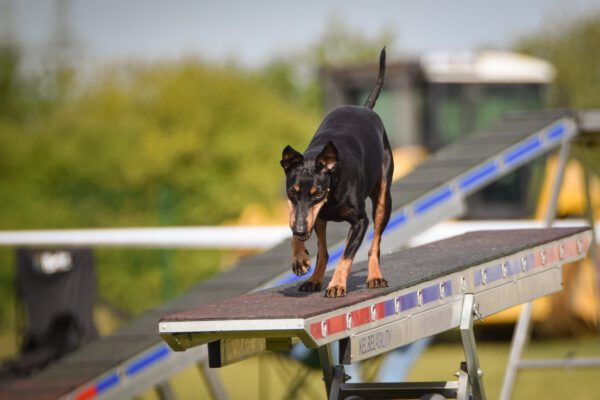
How Should I Train a German Pinscher?The German Pinscher is quick to learn and eager to problem-solve, which makes training both rewarding and necessary. Use positive reinforcement with food, toys, and praise to build focus and trust. Short, upbeat sessions keep the dog engaged, and clear criteria prevent confusion. Teach impulse control through sit, down, stay, and settle, and build reliable recall and loose-leash walking before you add distractions. Common challenges include high energy, a strong prey drive, and alert barking. Meet these needs with daily aerobic exercise, scent work, puzzle feeders, and structured play. Socialize early and often so the dog learns to stay calm around new people, polite dogs, and novel environments. Crate training supports rest and safety, and consistent house rules prevent pushy behavior. For step-by-step guidance, enroll in Dog Academy’s online training courses to follow expert plans for foundation skills, obedience, and enrichment tailored to energetic working breeds. |
|
The ideal owner enjoys daily activity, clear routines, and consistent training. A German Pinscher thrives with people who provide structure, mental challenges, and calm leadership, whether they live on acreage or in a city apartment. Preparation sets the stage for success, which includes a realistic budget, safe containment, and a plan for exercise and enrichment in every season.
Take your time, ask thoughtful questions, and choose a dog whose needs match your lifestyle. When you are ready, use Dog Academy adoption listings to find a good fit, and build a training plan that helps your new German Pinscher feel secure and confident from day one.

Introducing a new puppy to your current dog is often an exciting process, and many dogs will become fast friends and eas...
Read More
Rescue dogs can make great companions and can transform your home into something better. These dogs make great pets and ...
Read More
You should never rush to pet a dog. Even dog owners make the mistake of approaching unfamiliar dogs and petting them rig...
Read More
Puppy mill dogs are survivors who have endured extreme hardships in their lives. They have grown up in horrendous, unsan...
Read More
With their wagging tails and comforting presence, adopting a dog can add a unique touch to your life. It’s a heart...
Read More
Older dogs may have a few gray hairs around the edges, but that doesn’t mean they can’t make wonderful companions! T...
Read More