


























































































































































































Introducing a new puppy to your current dog is often an exciting process, and many dogs will become fast friends and eas...
Read MoreAdopt Me

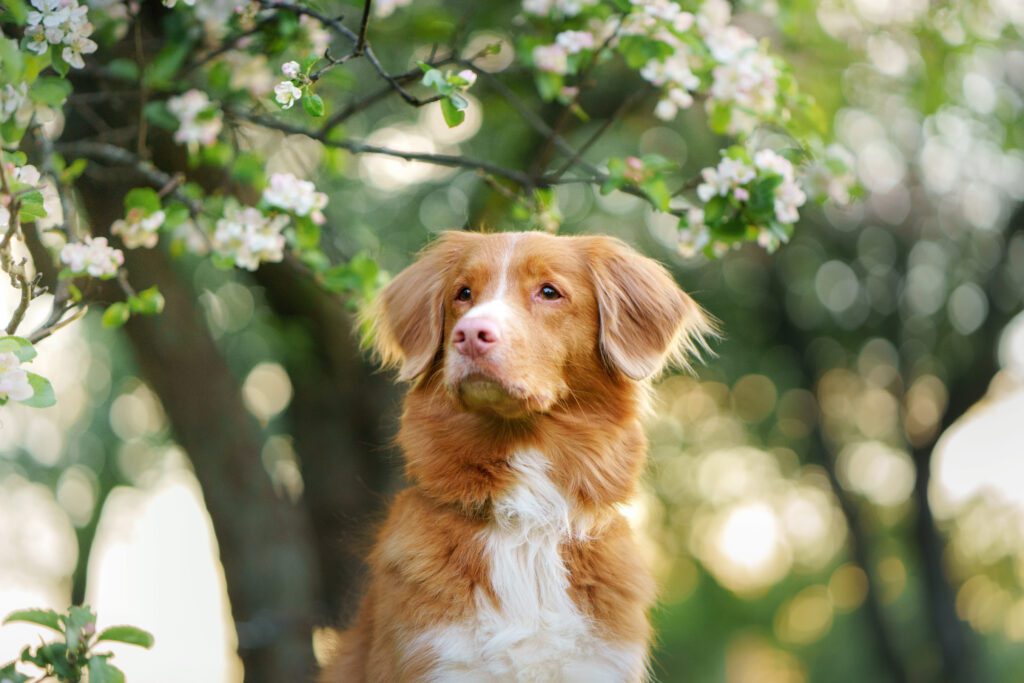



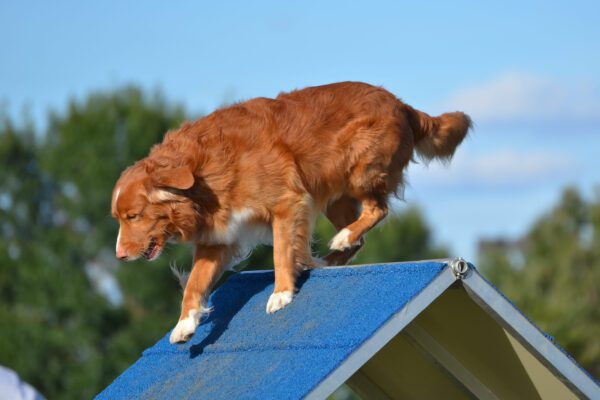
The Nova Scotia Duck Tolling Retriever is a bright, athletic, and affectionate companion. This medium-sized retriever thrives on activity and loves water retrieves, puzzle games, and family time. Tollers form close bonds with their people and bring cheerful energy into daily life. Their expressive nature and foxlike appearance make them stand out, yet their high drive calls for thoughtful planning.
Research matters before you adopt. Understanding energy levels, grooming needs, and common behaviors helps you choose a dog that truly fits your home. Adoption gives a deserving dog a second chance and supports responsible animal welfare. It also often includes core veterinary care, which reduces initial costs and stress when you bring your dog home.
Iowa offers a great backdrop for this breed. The state has lakes, rivers, and wide-open spaces that suit a retriever that enjoys swimming and hiking. Winter can be cold and windy, which this double-coated breed handles well with proper care. Summer can be hot and humid, so shade, fresh water, and rest breaks are essential. Rural roads, farm fields, and busy neighborhoods all exist in Iowa, so consistent training and reliable recall are important for safety in many environments.
You can avoid searching for rescues and shelters one by one by browsing Dog Academy adoption listings. You can view available dogs across local animal shelters, regional rescues, and breed-specific rescue groups in one place. You can also use Dog Academy guides and adoption checklists to prepare for applications, interviews, and home setup. If you do not see a match today, you can check back often since availability can change quickly.
The process to adopt a Nova Scotia Duck Tolling Retriever in Iowa usually starts with browsing listings and reading each profile. Profiles often include age, size, temperament notes, and medical history. When you find a good match, you submit an application that may ask for references, proof of housing, and information about your household. Many organizations schedule a meet-and-greet to see how the dog interacts with you and your family. Some organizations request a home check to confirm that the space is safe and that fences, gates, and shared areas are secure.
Approval timelines vary based on demand, the number of applications, and the dog’s needs. Straightforward adoptions can move from application to approval in 1 to 3 weeks. Dogs with special needs or high interest can take longer. If the right Toller is located outside your city, rescues may arrange transport between locations. Transport is often organized by rescue staff or volunteers who coordinate safe travel and veterinary health certificates to move dogs between states.
|
How Much Does It Cost to Adopt a Nova Scotia Duck Tolling Retriever in Iowa?In Iowa, you can expect to pay about $350 to $650 to adopt a Nova Scotia Duck Tolling Retriever from a rescue or shelter partner. Puppies and young dogs with high demand sometimes range from $650 to $800. Fees vary with age, training, medical care, and the breed’s rarity in the region. Rescue costs often reflect spaying or neutering, vaccinations, microchipping, and veterinary exams. Senior Tollers or dogs with ongoing medical needs may fall at the lower end of the range, while healthy young adults with completed training often fall at the higher end. Additional factors include recent dental care, heartworm treatment, behavior support, and post-adoption training packages. Always review what the fee includes so you can plan your first-month budget with confidence. |
How Should I Train a Nova Scotia Duck Tolling Retriever?Tollers are highly intelligent and eager to work. They learn quickly when training is consistent and rewarding. Positive reinforcement builds focus and trust, especially for a sensitive breed that can shut down with harsh corrections. Keep sessions short, upbeat, and varied to prevent boredom. Rotate food rewards, toys, and games to keep motivation high. Common challenges include high energy, vocalizing when excited, and chasing wildlife. Early obedience, impulse control, and a rock-solid recall help manage this drive. Teach settle on a mat, polite greetings, and loose-leash walking to make daily life easier. Socialize with friendly dogs and calm people in controlled settings so your Toller builds confidence without feeling overwhelmed. Indoor scent games, retrieve sessions, and puzzle feeders help during Iowa winters or on hot summer days when outdoor time is limited. You can build skills step by step with Dog Academy’s online training courses. Structured lessons cover foundation obedience, recall, crate training, and enrichment tailored to active breeds. You can follow clear videos and checklists to turn your Toller’s enthusiasm into great manners at home and on the trail. |

|
The ideal Iowa adopter enjoys daily activity and has time for training, play, and mental enrichment. A fenced yard or access to safe outdoor spaces helps, and regular swims or long walks keep this breed content. Families who value routine and who can provide patient guidance tend to thrive with a Toller’s clever, spirited personality.
Prepare your home, gather supplies, and map out your first weeks before you bring your dog home. Take your time, ask questions, and confirm that energy level and temperament match your lifestyle. With careful research, steady training, and support from Dog Academy resources, you can adopt a Nova Scotia Duck Tolling Retriever in Iowa and start a happy, healthy partnership that lasts.

Introducing a new puppy to your current dog is often an exciting process, and many dogs will become fast friends and eas...
Read More
Rescue dogs can make great companions and can transform your home into something better. These dogs make great pets and ...
Read More
You should never rush to pet a dog. Even dog owners make the mistake of approaching unfamiliar dogs and petting them rig...
Read More
Puppy mill dogs are survivors who have endured extreme hardships in their lives. They have grown up in horrendous, unsan...
Read More
With their wagging tails and comforting presence, adopting a dog can add a unique touch to your life. It’s a heart...
Read More
Older dogs may have a few gray hairs around the edges, but that doesn’t mean they can’t make wonderful companions! T...
Read More