



























































































































































































Introducing a new puppy to your current dog is often an exciting process, and many dogs will become fast friends and eas...
Read MoreAdopt Me

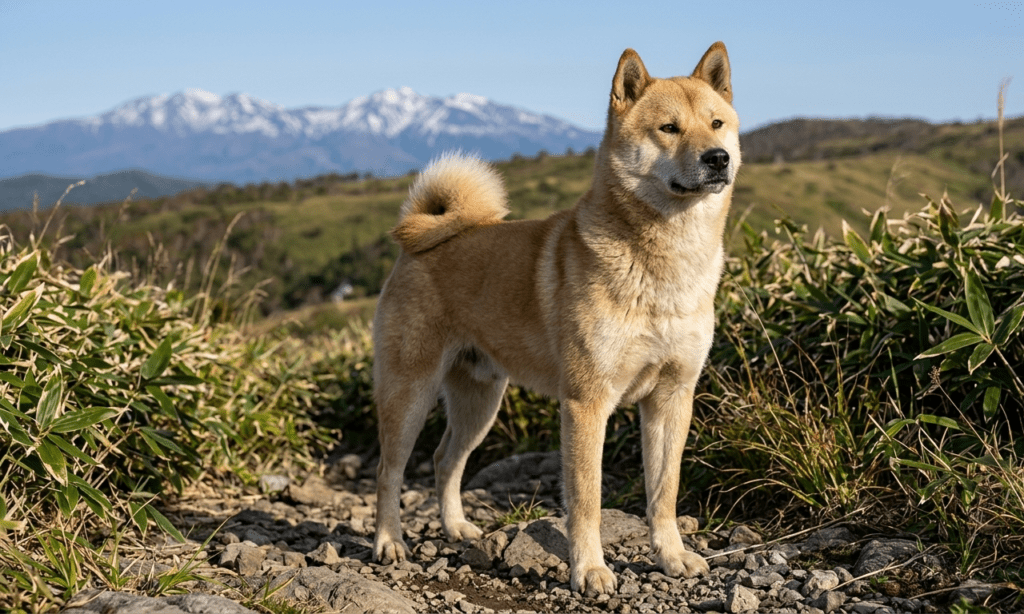
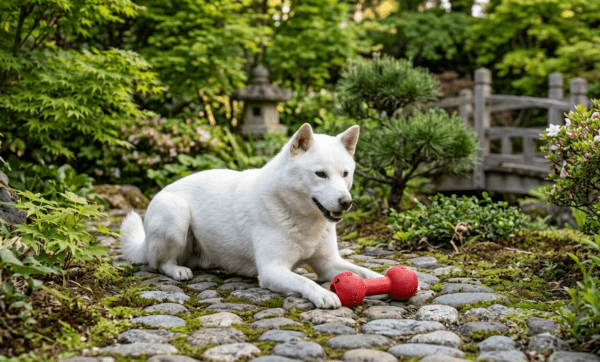
The Hokkaido is a bold, affectionate, and highly loyal spitz-type dog that bonds closely with its family. This breed is athletic and intelligent, and it often shows a calm confidence at home with a strong guardian instinct outdoors. Careful research before you adopt is essential because the Hokkaido thrives when an owner understands its exercise needs, social nature, and independent streak.
Choosing adoption over buying supports dogs in need and helps ethical groups place well-matched companions in stable homes. Iowa can be a great fit for a Hokkaido because the state offers space, trails, and quiet neighborhoods that allow consistent exercise and structure. Iowa winters are cold and snowy, which suits the Hokkaido’s dense double coat. Iowa summers are hot and humid, which requires careful heat management, shaded rest, fresh water, and activity during cooler morning or evening hours.
Hokkaidos need daily physical activity and mental work, and they shed heavily during seasonal changes. Families in Iowa who enjoy hiking, training, and calm evenings at home often find the Hokkaido an excellent match. A secure yard and consistent routines help this alert breed settle and succeed.
You can avoid searching local shelters and rescues separately by using Dog Academy to browse Hokkaido adoption listings in one place. Dog Academy also offers educational guides and practical adoption checklists that help you prepare your home and evaluate fit. You can still check local animal shelters, regional rescues, and breed-specific rescue groups, but a centralized listing saves time and keeps your search organized.
Start by browsing listings to learn about each dog’s age, temperament, energy level, and known training history. Read every profile in full and compare the dog’s needs with your schedule, home setup, and experience. When you find a possible match, submit an application that includes references, landlord approval if you rent, and details about your routine and veterinary plans. A complete and honest application speeds the review.
After an initial review, most groups schedule a meet-and-greet to observe how the dog interacts with you and your household. Many groups complete a home check to confirm safety, secure fencing, and suitable space. Some groups offer foster-to-adopt placements that allow a short trial period before finalizing the adoption. Typical timelines run 3 to 10 days from application to approval when documents and scheduling line up quickly.
Because Hokkaidos are rare in Iowa, your best match may be outside your immediate area. Rescues may arrange transport to move dogs between locations. Transport is often coordinated by volunteers or licensed carriers who follow set routes and health certificate requirements. You may meet at a designated handoff point in Iowa, and a modest transport fee may be added to the adoption total. Ask for the exact schedule and costs so you can plan ahead.
|
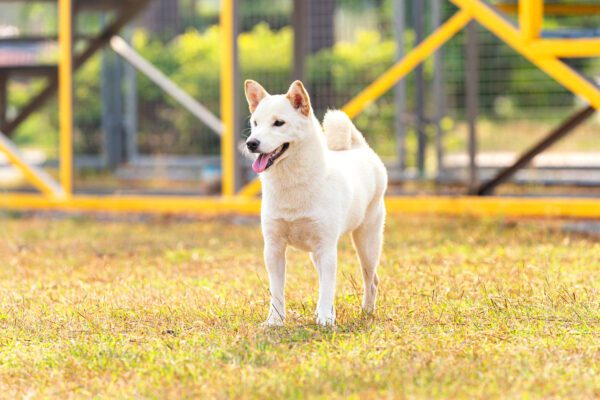
How Much Does It Cost to Adopt a Hokkaido in Iowa?In Iowa, a realistic adoption fee for a Hokkaido typically ranges from $300 to $500. The fee often reflects the breed’s rarity, routine veterinary care, and the lower overhead that is common in the region. Puppies and young adults usually sit at the higher end of the range due to demand and recent medical services. Final costs depend on age, training, medical care, and demand. Fees commonly include spaying or neutering, vaccinations, microchipping, and veterinary exams. Dogs that receive dental work, treatment for parasites, or behavioral support may cost more. If transport is provided, the group may add a separate transport charge to cover fuel and logistics. |
How Should I Train a Hokkaido?The Hokkaido is highly intelligent and quick to learn when training is clear, upbeat, and consistent. This breed can be independent, and it often tests boundaries if sessions feel boring or repetitive. Keep lessons short, reward good choices with food and play, and end on a success. Early socialization builds confidence with new people, friendly dogs, and novel environments. Focus on reliable recall, loose-leash walking, polite greetings, and calm settling on a mat. Use positive reinforcement and avoid harsh corrections, since trust and engagement drive progress with this breed. Daily mental enrichment through scent games, puzzle feeders, and structured obedience channels energy in a healthy way. If you want step-by-step guidance, explore Dog Academy’s online training courses to build skills at your pace with expert support. |
|
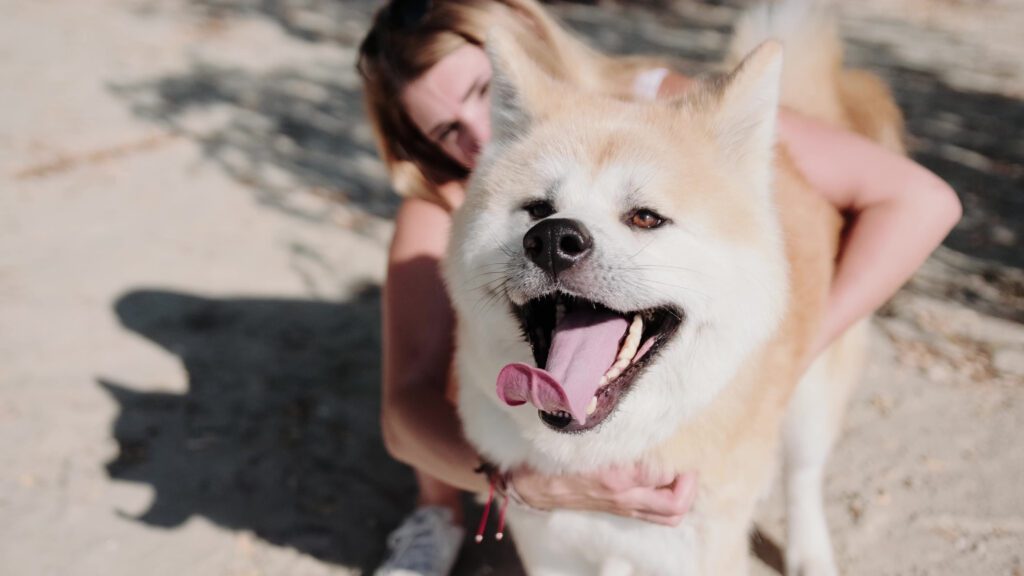
The ideal Iowa adopter enjoys daily exercise, values routine, and commits to kind leadership. A secure yard, time for training, and a plan for summer heat management help a Hokkaido thrive. Families who want a loyal companion for hiking, structured play, and quiet evenings often feel deeply rewarded by this steadfast breed.
Take your time, prepare your home, and learn the breed’s needs before you adopt. Use Dog Academy to compare listings, review educational guides, and create a thoughtful adoption checklist. Careful planning today builds a confident partnership that lasts for years.

Introducing a new puppy to your current dog is often an exciting process, and many dogs will become fast friends and eas...
Read More
Rescue dogs can make great companions and can transform your home into something better. These dogs make great pets and ...
Read More
You should never rush to pet a dog. Even dog owners make the mistake of approaching unfamiliar dogs and petting them rig...
Read More
Puppy mill dogs are survivors who have endured extreme hardships in their lives. They have grown up in horrendous, unsan...
Read More
With their wagging tails and comforting presence, adopting a dog can add a unique touch to your life. It’s a heart...
Read More
Older dogs may have a few gray hairs around the edges, but that doesn’t mean they can’t make wonderful companions! T...
Read More