


























































































































































































Introducing a new puppy to your current dog is often an exciting process, and many dogs will become fast friends and eas...
Read MoreAdopt Me


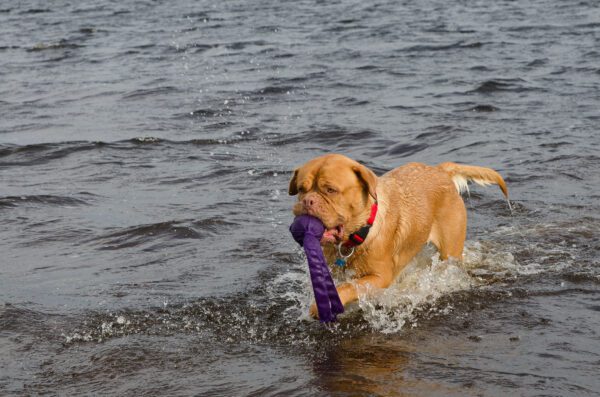
The Dogue De Bordeaux is a powerful, affectionate guardian that loves staying close to its family. This giant breed offers calm companionship, steady confidence, and strong loyalty, which makes the dog a wonderful match for patient owners who value a quiet home with a protective presence. Careful research before adoption helps every family understand size, health, and training needs so the match lasts for life.
Adoption is a thoughtful choice because it gives a deserving dog a second chance, provides transparency about temperament and health, and typically includes essential veterinary care at a lower cost than buying. Iowa can be a great home for this breed when owners plan around climate and space. Summers in Iowa are hot and humid, so the Dogue De Bordeaux needs shade, cool indoor time, and easy walks during cooler hours. Winters are cold and snowy, so the dog benefits from a warm coat, short outdoor sessions, and protection for paws on ice and salt. Rural properties and larger suburban yards suit the breed well, while city living works when owners commit to structured exercise, clear rules, and careful heat management.
You can skip the hassle of searching shelters and rescues one by one by using Dog Academy to browse adoption listings in one place. Dog Academy also offers educational guides and practical adoption checklists that help you prepare your home, budget, and schedule before you apply.
Start your search by checking local animal shelters, regional rescues, and breed-specific rescue groups that understand giant guardian breeds. Listings often include age, size, behavior notes, and medical history, which helps you decide if a specific dog fits your household. Read carefully for details about heat sensitivity, joint health, and skin care because the Dogue De Bordeaux can need special management in those areas.
When you find a good match, you submit an application that typically asks for identification, landlord approval when you rent, personal references, and a veterinary reference when you have existing pets. Many organizations schedule a meet-and-greet so the dog can interact with all household members, including resident dogs. A home check, which may be virtual or in person, confirms safe fencing, secure crates, and appropriate storage for food and cleaning supplies. After approval, you sign an adoption agreement, pay the fee, and schedule a pickup date. Shelters often complete approvals in 3 to 10 days, while foster-based rescues commonly take 1 to 3 weeks due to coordination with fosters and training evaluations.
Some rescues arrange transport to move dogs between locations when a strong match lives far away. Transport is often handled by volunteers using relay drives or by professional ground transport services that follow health and safety rules. Most groups finalize the adoption before transport, and adopters either meet at a designated handoff point or receive delivery for an additional fee.
|
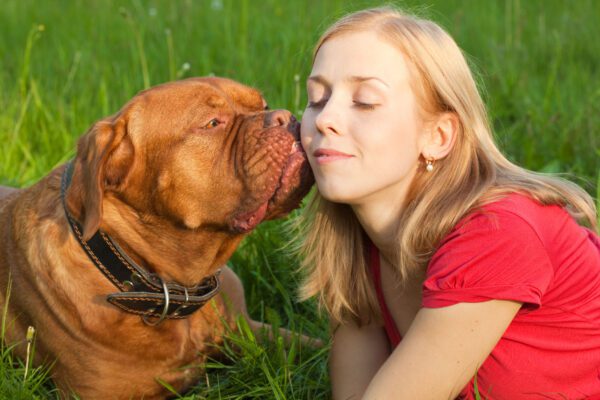
How Much Does It Cost to Adopt a Dogue De Bordeaux in Iowa?In Iowa, expect most municipal or county shelters to set adoption fees for a Dogue De Bordeaux between $150 and $350. Breed-focused or foster-based rescues in Iowa usually range from $300 to $650. Puppies and young adults tend to sit at the higher end due to demand and recent veterinary care, while seniors are typically on the lower end. Fees often cover spaying or neutering, vaccinations, microchipping, and veterinary exams. Costs can increase when a dog receives dental work, advanced diagnostics, or training prior to placement. Price variation reflects age, medical care, training, and regional demand. A well-mannered adult that has completed basic manners training, lived successfully with other pets, and received joint screening or eye evaluations may have a higher fee that offsets invested care. Asking what the fee includes helps you budget for supplies, food, training, and insurance after adoption. |
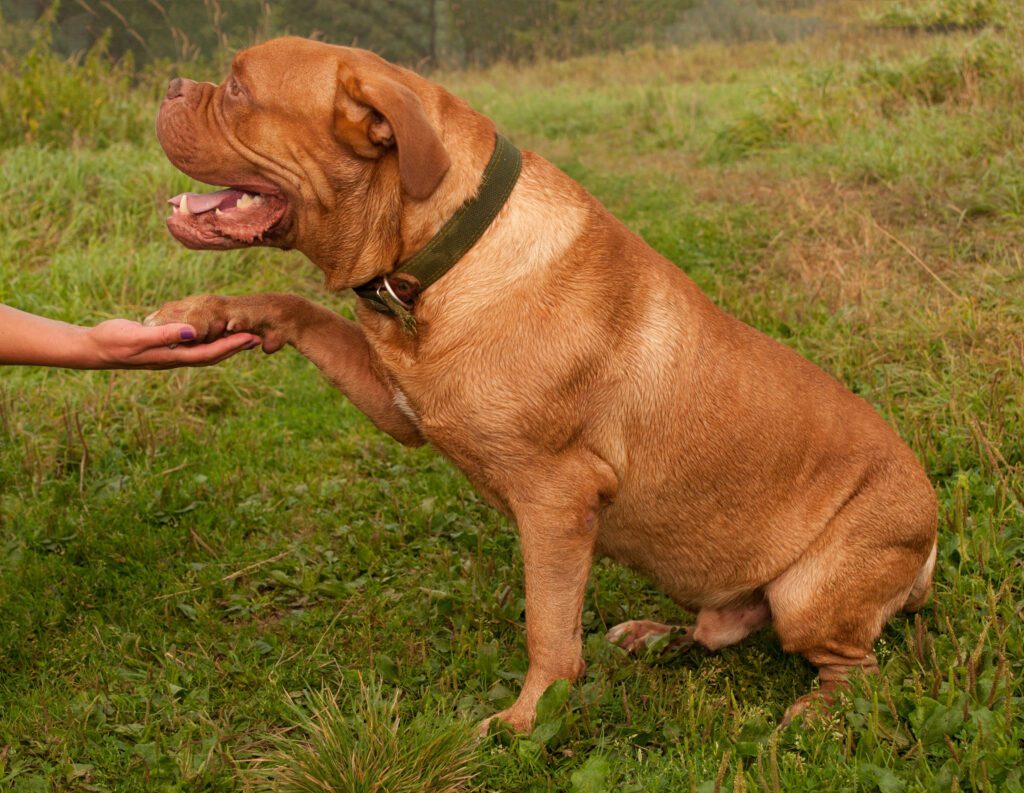
How Should I Train a Dogue De Bordeaux?The Dogue De Bordeaux is intelligent and sensitive, which means the dog learns quickly when training feels calm, clear, and consistent. This breed can be stubborn when cues lack structure or when sessions run too long. Positive reinforcement with food rewards, toys, and praise builds trust and keeps motivation high. Short sessions that focus on one skill at a time work best. Early socialization teaches relaxed behavior around unfamiliar people, friendly dogs, and everyday noises. Focus on loose-leash walking, reliable recall, and calm door greetings because size and strength magnify minor mistakes. Teach impulse control with cues like sit, down, stay, and leave it, and add place training for restful downtime during guest visits. Body handling practice supports grooming and vet care, and muzzle conditioning provides a safe backup for stressful situations. Avoid harsh corrections, which can damage confidence and reduce cooperation in a sensitive guardian breed. For step-by-step support, you can use Dog Academy’s online training courses that cover puppy foundations, adult manners, impulse control, and leash skills designed for large breeds. Guided lessons help you progress at home while keeping sessions short, upbeat, and effective. |
|
The ideal adopter is calm, patient, and consistent, with enough time for daily training, moderate exercise, and close companionship. A fenced yard helps, and strong handling skills matter because adults often weigh well over 100 pounds. Families with respectful children do well when adults supervise interactions and teach gentle behavior. All adopters should feel comfortable managing drool, routine grooming, and planned vet care for a giant breed.
Preparation sets up lifelong success. Create a budget, gather sturdy equipment, and arrange a quiet recovery space for decompression during the first week. Research the breed, ask thorough questions, and move at a thoughtful pace. With the right match and steady training, you can adopt a Dogue De Bordeaux in Iowa and enjoy a loyal, loving companion for many years.

Introducing a new puppy to your current dog is often an exciting process, and many dogs will become fast friends and eas...
Read More
Rescue dogs can make great companions and can transform your home into something better. These dogs make great pets and ...
Read More
You should never rush to pet a dog. Even dog owners make the mistake of approaching unfamiliar dogs and petting them rig...
Read More
Puppy mill dogs are survivors who have endured extreme hardships in their lives. They have grown up in horrendous, unsan...
Read More
With their wagging tails and comforting presence, adopting a dog can add a unique touch to your life. It’s a heart...
Read More
Older dogs may have a few gray hairs around the edges, but that doesn’t mean they can’t make wonderful companions! T...
Read More