



















































































































































































Introducing a new puppy to your current dog is often an exciting process, and many dogs will become fast friends and eas...
Read MoreAdopt Me

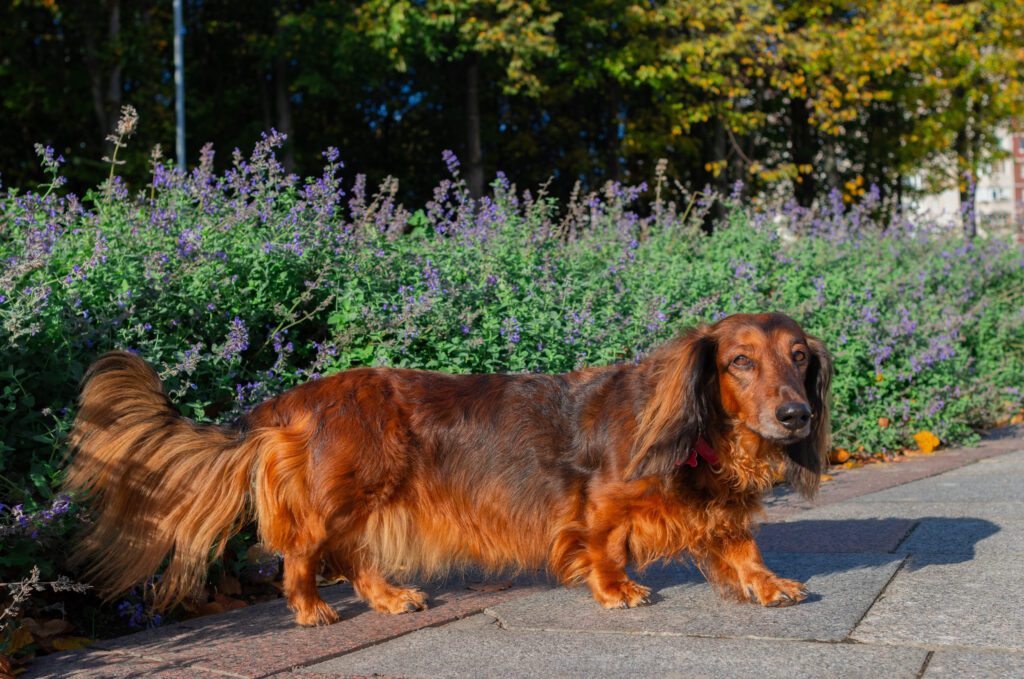


The Long-Haired Dachshund blends a bold spirit with a sweet, people-focused temperament. The silky coat and expressive eyes draw attention, while the compact size fits city apartments and quiet farmhouses. This breed enjoys short daily walks, playful nose work, and plenty of couch time. Careful research matters because Dachshunds can be headstrong, vocal, and prone to back strain. Adoption lets you support animal welfare and welcome a dog whose history, health care, and temperament have already been evaluated.
Iowa suits this breed when families plan for weather and terrain. Winters get cold and snowy, which calls for sweaters and limited exposure on icy sidewalks. Summers can be hot and humid, so shade, water, and shorter midday outings help. Rural grasses and fields can hide ticks, so checks after walks are important. Stairs in multi-level homes should be limited with ramps to protect the back. With thoughtful management, the Long-Haired Dachshund thrives across Iowa lifestyles.
You can skip searching shelters and rescues one by one by starting with Dog Academy. The adoption listings gather dogs from a wide range of sources, which saves time and helps you compare options in one place. Dog Academy also offers clear educational guides and adoption checklists that prepare you for applications, interviews, and the first weeks at home. You can use these resources to understand breed needs and to set realistic expectations about exercise, grooming, and back safety.
In Iowa, you can find adoptable Long-Haired Dachshunds through local animal shelters, regional rescues, and breed-specific rescue groups. Foster-based programs often share detailed notes on house manners, crate skills, and compatibility with children or other pets. Start by browsing listings and reading full biographies. Submit a complete application that explains your daily schedule, home setup, experience with small breeds, and plan for back-friendly living. Applications commonly request veterinary references and landlord approval when you rent, which helps confirm long-term stability for the dog.
After an application review, many groups schedule a meet-and-greet at a shelter or in a foster home. Everyone in the household should attend so the dog can meet all family members. Some organizations conduct a home check to confirm safe fencing, secure doors, and stair management with gates or ramps. Approval timelines vary from a few days to a few weeks based on demand, scheduling, and your responsiveness. Rescues sometimes arrange transport to move dogs between locations using volunteer drivers or contracted carriers, and adopters meet at agreed handoff points. Once approved, you sign an adoption contract, pay the fee, and set a pickup date with clear next steps for veterinary follow-up.
|
How Much Does It Cost to Adopt a Long-Haired Dachshund in Iowa?Most adopters in Iowa pay $300 to $500 to adopt a Long-Haired Dachshund. Puppies and high-demand young adults can reach $550 when veterinary costs and demand rise. Fees reflect age, prior training, and medical care completed before placement. The fee usually includes spaying or neutering, vaccinations, microchipping, and veterinary exams. Some groups also invest in dental cleanings, grooming for long coats, heartworm testing, and preventive medications. Seniors and dogs with ongoing medical needs may be listed at the lower end to encourage the right match, while well-trained dogs with recent vetting land at the higher end. |
How Should I Train a Long-Haired Dachshund?Long-Haired Dachshunds are bright, scent-driven, and independent, which means they learn quickly when training is fun and consistent. Use short sessions, high-value treats, and clear marker words to reward the exact behavior you want. Positive reinforcement builds trust and keeps this sensitive breed engaged. Focus early on leash manners, polite greetings, and calm settling. Crate training supports house training and gives the dog a safe space during rest. Protect the back by teaching a solid “wait,” “off,” and careful use of ramps to avoid jumping from furniture. Manage common challenges with structure and enrichment. A reliable potty schedule, frequent supervised breaks, and praise for outdoor success speed up house training. Provide daily mental work with scent games, food puzzles, and easy trick training to channel natural hunting instincts. Reward quiet moments to reduce nuisance barking, and avoid rough games that encourage jumping. For step-by-step guidance, explore Dog Academy’s online training courses, which offer clear lessons for puppies, new rescues, and adult dogs adapting to home life. |

|
The ideal adopter enjoys a loyal shadow, plans gentle daily exercise, and commits to regular coat care with weekly brushing and occasional trims. A safe home for a Dachshund includes limited stairs, ramps by furniture, non-slip rugs, and a plan to keep weight lean. Preparation matters, so gather supplies, choose a trusted veterinarian, and set a training routine before pickup. Take your time, ask thoughtful questions, and choose the dog whose needs fit your lifestyle. With careful planning, your Iowa adoption can be a happy, lasting match.

Introducing a new puppy to your current dog is often an exciting process, and many dogs will become fast friends and eas...
Read More
Rescue dogs can make great companions and can transform your home into something better. These dogs make great pets and ...
Read More
You should never rush to pet a dog. Even dog owners make the mistake of approaching unfamiliar dogs and petting them rig...
Read More
Puppy mill dogs are survivors who have endured extreme hardships in their lives. They have grown up in horrendous, unsan...
Read More
With their wagging tails and comforting presence, adopting a dog can add a unique touch to your life. It’s a heart...
Read More
Older dogs may have a few gray hairs around the edges, but that doesn’t mean they can’t make wonderful companions! T...
Read More