


























































































































































































Introducing a new puppy to your current dog is often an exciting process, and many dogs will become fast friends and eas...
Read MoreAdopt Me

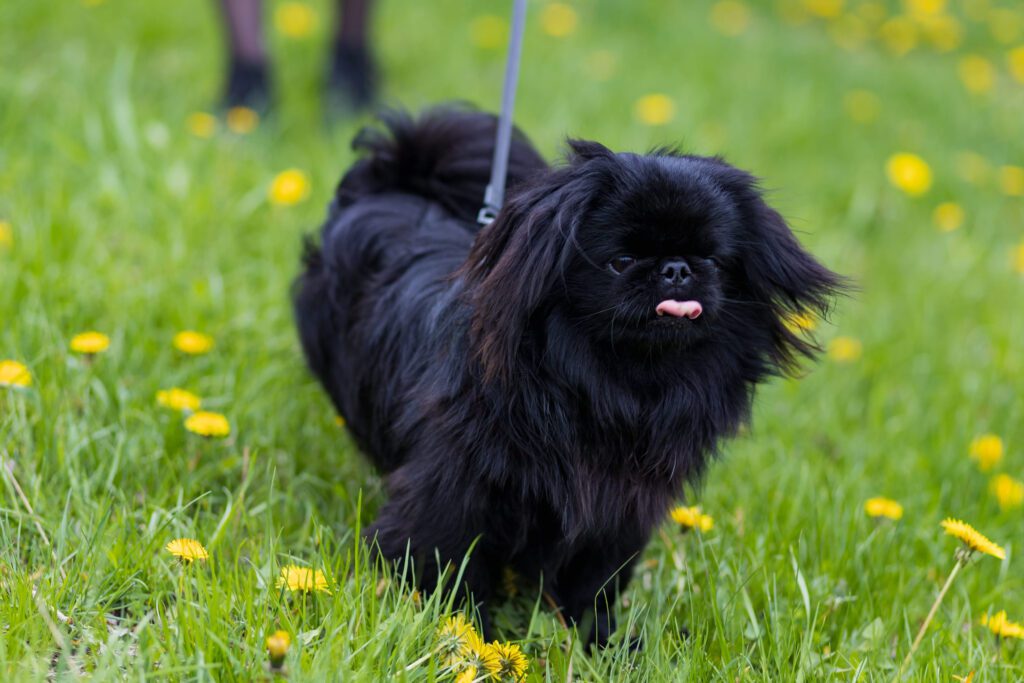
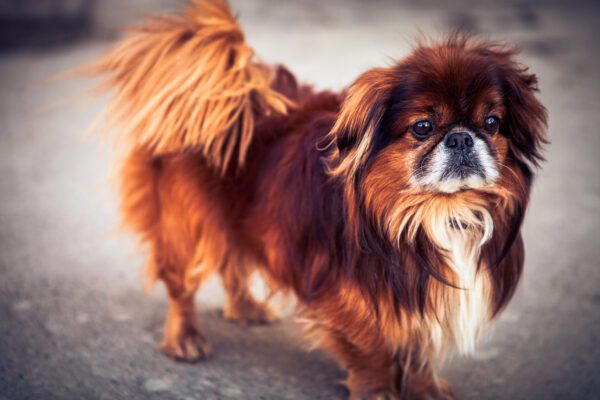
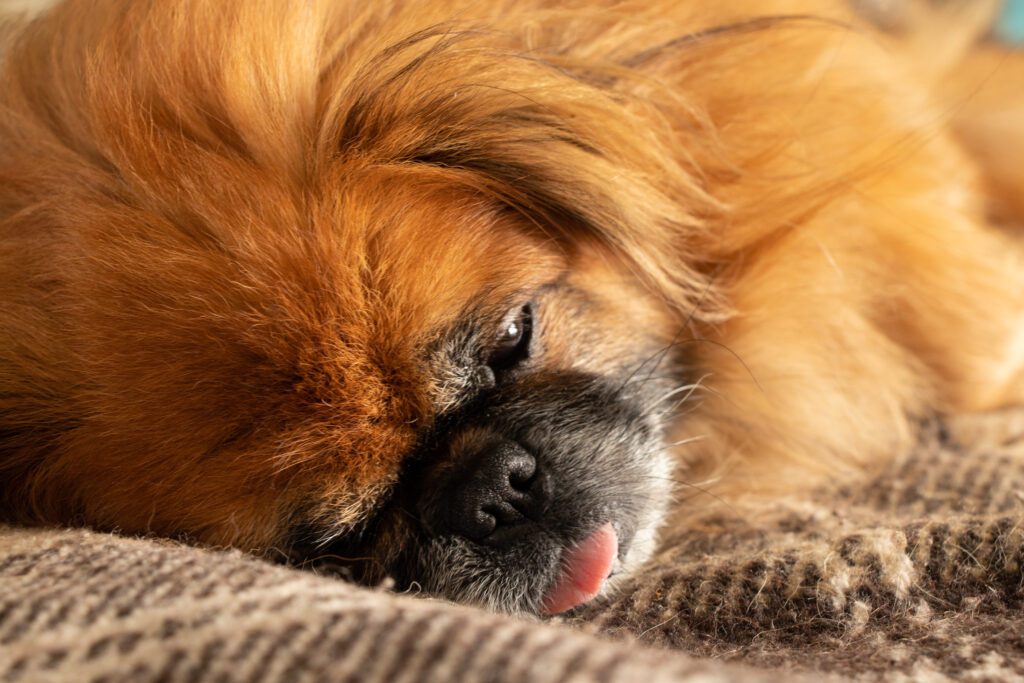
The Pekingese is a charming lap dog with a big personality, a loyal heart, and a dignified presence. This small companion is affectionate and often bonds closely with one or two people. A Pekingese can thrive in a quiet home that offers patient guidance and a predictable routine. Thoughtful research before adoption helps you match energy levels, grooming needs, and health considerations to your lifestyle.
Adopting instead of buying saves a life and supports humane practices. Many adoptable Pekingese already receive core veterinary care and behavior assessments, which makes the transition easier for new families. Iowa offers a welcoming environment for this breed, yet the climate requires planning. Summers in Iowa are hot and humid, which can be hard for a flat-faced dog that overheats easily. Winters are cold and windy, so short outdoor breaks and warm indoor spaces keep a Pekingese comfortable. City apartments, small homes, and rural houses can all work well when daily routines are gentle and safe.
You can avoid searching shelters and rescues separately by using Dog Academy. Dog Academy brings adoptable dogs into one place so you can browse Pekingese in Iowa and nearby areas, then follow a clear checklist to prepare for your new companion. You can also use educational guides to plan vet visits, grooming, and training before you apply.
In Iowa, adoptable Pekingese appear through local animal shelters, regional rescues, and breed-specific rescue groups. Many groups use foster homes, which means volunteers care for the dog in a home setting and share detailed notes about temperament, house manners, and medical needs. Start by browsing listings, reading each profile fully, and confirming age, size, health status, and any special requirements.
Applications usually ask about housing, schedules, experience with small dogs, and plans for training and grooming. You may be asked for personal references, landlord approval when applicable, and a veterinary reference if you have owned pets before. After an initial review, groups often arrange a phone interview or a virtual meeting to discuss expectations and daily care. Meet-and-greets help confirm a good fit, which is especially important if you have children or other pets.
Home checks are common and can be virtual or in person. The goal is to confirm safety and readiness, including secure doors, safe stairs, and a comfortable rest area. Approval timelines vary by group and by dog. Straightforward cases can move from application to approval in several days. More complex adoptions with medical or behavioral needs can take 1 to 2 weeks. Some rescues arrange transport to move dogs between locations when a strong match is found. Transport is coordinated by rescues using volunteer drivers or licensed carriers, and adopters are told about costs and schedules in advance.
|
How Much Does It Cost to Adopt a Pekingese in Iowa?In Iowa, a realistic adoption fee for a Pekingese typically ranges from $250 to $550. The fee often reflects age, medical history, behavior support, and demand for small companion breeds. Many organizations include spaying or neutering, vaccinations, microchipping, and veterinary exams in the fee. Costs can be higher for dogs that receive dental cleanings, eye care, or airway evaluations that are common in flat-faced breeds. Young adults with recent training or ongoing behavior support may also sit at the higher end of the range, while seniors or dogs with long stays may be closer to the lower end. |
How Should I Train a Pekingese?The Pekingese is intelligent and sensitive, yet the breed can be stubborn when training feels repetitive or unclear. Keep sessions short, upbeat, and consistent. Use positive reinforcement to reward quiet behavior, polite greetings, and calm handling during grooming. Avoid harsh corrections that create stress and reduce trust. House training improves with a fixed schedule, frequent breaks, and careful management to prevent accidents. Gentle leash practice and easy indoor games provide mental exercise without overexertion. Pekingese bodies are compact and flat-faced, which means they overheat easily and can tire quickly. Choose brief training sets, cool resting spots, and slow exposure to heat or cold. Early socialization builds confidence with visitors, children who know how to be gentle, and other pets. Many owners benefit from structured lessons that fit small-dog needs and busy schedules. You can build a plan with Dog Academy’s online training courses that cover manners, confidence building, and grooming cooperation. |
|
The ideal Iowa adopter for a Pekingese enjoys a calm home, patient training, and daily brushing. A Pekingese suits apartments and small houses, and the breed does best with short walks, indoor play, and close companionship. Owners should be ready to manage summer heat with shade and water, then to protect a small dog from winter winds with quick outings and a warm resting spot.
Preparation leads to a smooth transition. Gather supplies, plan a vet visit, and set a gentle routine before adoption day. Take your time, ask clear questions, and trust the process so you can adopt a Pekingese in Iowa with confidence and care.

Introducing a new puppy to your current dog is often an exciting process, and many dogs will become fast friends and eas...
Read More
Rescue dogs can make great companions and can transform your home into something better. These dogs make great pets and ...
Read More
You should never rush to pet a dog. Even dog owners make the mistake of approaching unfamiliar dogs and petting them rig...
Read More
Puppy mill dogs are survivors who have endured extreme hardships in their lives. They have grown up in horrendous, unsan...
Read More
With their wagging tails and comforting presence, adopting a dog can add a unique touch to your life. It’s a heart...
Read More
Older dogs may have a few gray hairs around the edges, but that doesn’t mean they can’t make wonderful companions! T...
Read More