



























































































































































































Introducing a new puppy to your current dog is often an exciting process, and many dogs will become fast friends and eas...
Read MoreAdopt Me

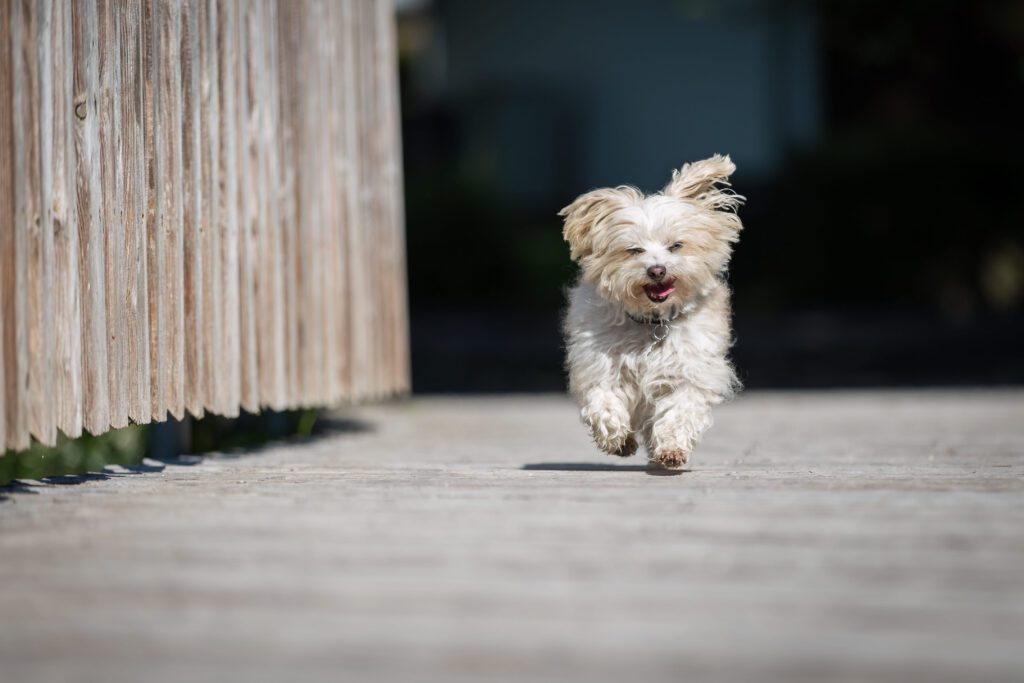
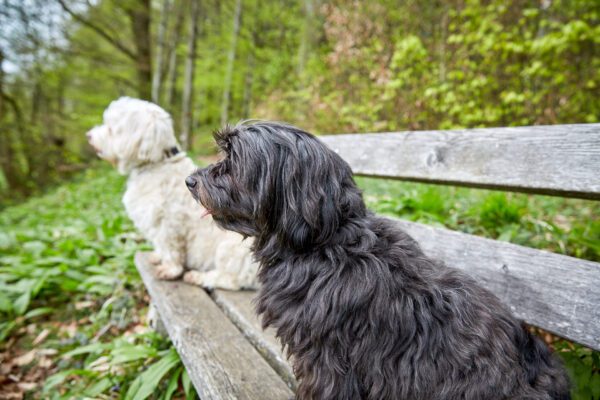
The Havanese is a cheerful, people-focused companion that thrives on affection and daily interaction. This small dog is sturdy for its size, quick to learn, and happy to join gentle walks and playful indoor games. A Havanese usually does well with children who handle dogs kindly and with adults who want a loving lap dog that still enjoys activity.
Research matters before you adopt a Havanese in Iowa because this breed needs regular coat care, steady social time, and patient training. Adoption is preferable to buying because you give a dog a new start while supporting lifesaving work, and many adopted dogs leave with essential veterinary care already completed. Iowa’s cold winters and hot summers call for mindful care. A Havanese needs a warm coat and paw protection in icy weather and cool rest in shade and air conditioning when humidity climbs. The breed adapts to apartments in cities, small yards in suburbs, and quiet rural homes, as long as the dog lives indoors and enjoys daily enrichment.
You can avoid searching for rescues and shelters separately by using Dog Academy adoption listings to see available dogs from many sources in one place. Dog Academy also provides educational guides and adoption checklists that help you prepare your home, plan a smooth introduction, and understand breed needs before you apply.
Look for adoptable Havanese through local animal shelters, regional rescues, breed-specific rescue groups, and foster-based networks. Start by browsing listings, then read each bio carefully. Good listings explain size, age, behavior notes, medical updates, and location. Many listings also share lifestyle requirements, such as a preference for a quiet home, no very young children, or a need for frequent potty breaks.
Once you find a match, complete an application. Most groups request identification, proof of housing, and contact details for personal and veterinary references. Renters usually need landlord approval that confirms pet policies and any size limits. If your application moves forward, you schedule a meet-and-greet with the dog. Bring all household members and any resident dogs so you can assess compatibility. Many groups also complete a home check, which can be a live video walkthrough or a short in-person visit that confirms basic safety, secure doors and gates, and a plan for exercise. Approval timelines in Iowa often range from 3 to 10 days after the meet-and-greet. Puppies or special medical cases can take up to 2 weeks because extra screening or scheduling is needed.
Transport may be available if your match is not nearby. Rescues sometimes arrange transport between locations to place dogs where adopters are ready and prepared. Transport can use volunteer drivers or licensed carriers, and coordinators schedule veterinary health checks and clear pickup plans. A small transport fee may appear on the final invoice to cover fuel, supplies, or health certificates.

|
How Much Does It Cost to Adopt a Havanese in Iowa?In Iowa, adoption fees for a Havanese typically range from $250 to $450 for healthy adults. Puppies often range from $400 to $600 due to high demand and starter veterinary care, while seniors can be $150 to $300 to encourage placement. Fees vary based on age, prior training, medical needs, and how many inquiries the dog receives. Adoption packages commonly include spaying or neutering, vaccinations, microchipping, and veterinary exams, which provide strong value compared to paying for these services after purchase. Budget for ongoing costs that are not part of the fee. Common expenses include professional grooming every 6 to 8 weeks, quality food, heartworm and flea prevention, training, a crate and bedding, licensing, and travel for meet-and-greets. A realistic first-month setup for a Havanese in Iowa often includes grooming tools, a winter coat, and non-slip booties for icy sidewalks. |
How Should I Train a Havanese?The Havanese is smart, attentive, and eager to please, which makes training smooth when you use positive reinforcement. Short sessions with treats, praise, and play keep focus high and stress low. Mark correct choices clearly, reward promptly, and end sessions while your dog still wants more. Early socialization with calm people and friendly dogs helps prevent timidity and reduces nuisance barking. House training can take patience because small dogs have small bladders and Iowa winters can shorten outdoor time. Set a schedule with frequent breaks, use a consistent door, and praise immediately after success. Some families use a porch potty or indoor pad as a bridge during severe cold, then transition outside as weather improves. Crate training helps with structure when it is introduced slowly and paired with rewards. Address common Havanese challenges like alert barking and clinginess by teaching a reliable settle cue, practicing calm door greetings, and building alone-time tolerance in small steps. For step-by-step support, explore Dog Academy’s online training courses that cover foundation skills, polite leash walking, enrichment, and separation-prevention plans. |

|
The ideal Iowa adopter wants a close companion who enjoys indoor life, light to moderate exercise, and regular grooming. A great match provides daily company, gentle structure, and time for training and play. Families with respectful children, retirees, and work-from-home adults often find the Havanese fits beautifully.
Prepare before you apply so your new dog arrives to a safe, calm setup. Gather supplies, schedule a first-week veterinary visit, and plan a measured introduction to resident pets. Take your time, ask clear questions, and use reliable resources. With preparation and patience, you can adopt a Havanese in Iowa and build a joyful life together.

Introducing a new puppy to your current dog is often an exciting process, and many dogs will become fast friends and eas...
Read More
Rescue dogs can make great companions and can transform your home into something better. These dogs make great pets and ...
Read More
You should never rush to pet a dog. Even dog owners make the mistake of approaching unfamiliar dogs and petting them rig...
Read More
Puppy mill dogs are survivors who have endured extreme hardships in their lives. They have grown up in horrendous, unsan...
Read More
With their wagging tails and comforting presence, adopting a dog can add a unique touch to your life. It’s a heart...
Read More
Older dogs may have a few gray hairs around the edges, but that doesn’t mean they can’t make wonderful companions! T...
Read More