



























































































Introducing a new puppy to your current dog is often an exciting process, and many dogs will become fast friends and eas...
Read MoreAdopt Me

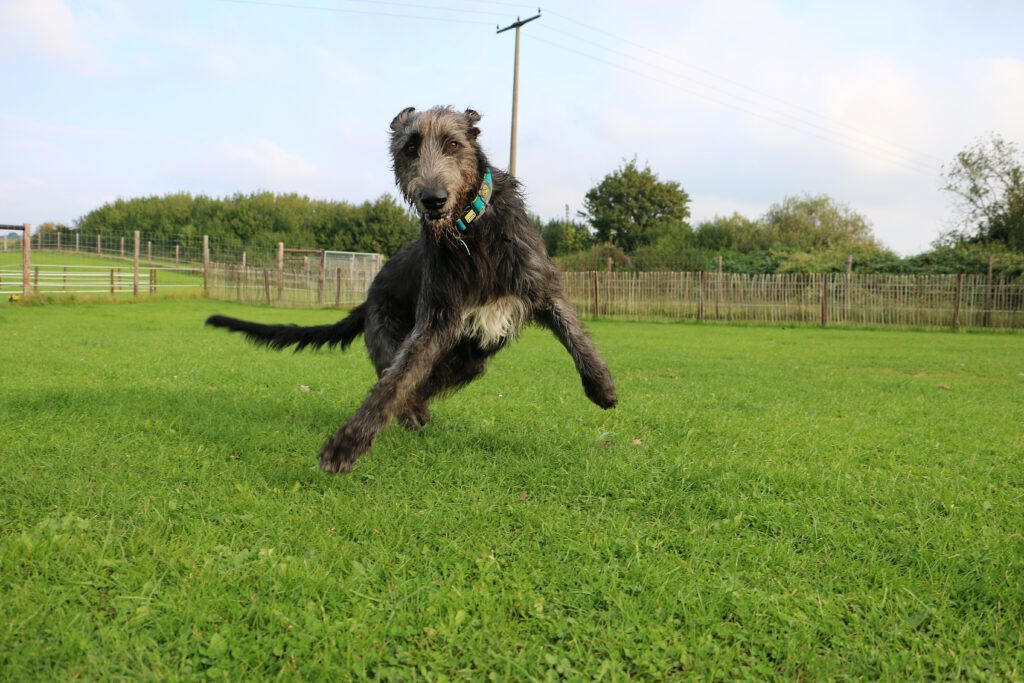
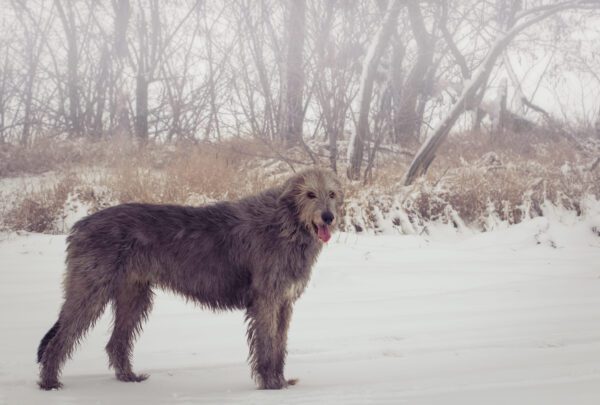
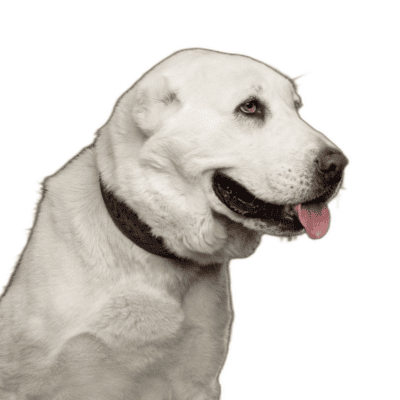
The Irish Wolfhound is a calm, gentle giant with a sweet nature and a steady presence. This breed is affectionate with family, typically friendly with visitors, and content to lounge after a modest walk. As a sighthound, the Irish Wolfhound has a strong chase instinct outdoors but remains soft and sensitive indoors, which makes patience and gentle handling essential.
Research matters before you bring home an Irish Wolfhound. Adoption helps a dog in need, reduces demand for commercial breeding, and often gives you a dog that already received baseline veterinary care. Iowa can suit this breed well because cold winters are comfortable for a large dog with a rough coat when you provide shelter and a warm bed. Hot, humid summers in Iowa can be challenging, so plan early morning walks, provide shade and air conditioning, and avoid strenuous activity during heat and humidity.
Iowa’s rolling landscapes and plentiful trails can be ideal for relaxed strolls on a leash. A secure, spacious yard helps this breed stretch out safely. Apartment living can be difficult due to size and stairs, though a diligent owner who provides frequent outdoor breaks, elevator access, and daily leash time can still succeed. Plan for sturdy vehicles, giant-sized supplies, and a veterinary team that understands large-breed care.
You can avoid searching separate rescues and shelters by using Dog Academy to browse adoptable Irish Wolfhounds in one place. Dog Academy also offers practical guides and adoption checklists that explain each step, which helps you prepare your home and your schedule with confidence. You can also look at local animal shelters, regional rescues, and breed-specific rescue groups that serve Iowa and nearby states.
Start by browsing current listings and reading each dog’s biography. Pay attention to age, health notes, energy level, and any history that affects placement. When you find a good match, submit an application that includes your household details, landlord approval if you rent, and references. Many groups also ask for proof of current pets being up to date on vaccinations, which helps confirm a safe and responsible home.
After an initial review, most organizations schedule a meet-and-greet at a shelter, an adoption center, or a foster home. This meeting allows you to see the dog’s size, temperament, and comfort level with your family. A home check often follows. The home check can be virtual or in person and confirms that your space is safe, that fencing is secure, and that hazards such as loose wires or toxic plants are managed. Approval timelines vary by organization, volunteer capacity, and your responsiveness, though many adoptions move from application to decision within 1 to 3 weeks.
Some rescues arrange transport to move dogs between locations when a great match is found. Transport is often organized through volunteer drivers or licensed carriers who move dogs safely across state lines to approved adopters. This service may involve a modest fee and a health certificate from a veterinarian, which ensures the dog is healthy enough to travel.
Once approved, you will complete an adoption contract, pay the fee, and schedule pickup. Plan a quiet first week at home to allow decompression. Provide a comfortable crate or bed, set predictable routines, and contact the rescue or shelter if you need support, since many organizations remain available to help during the transition.
|
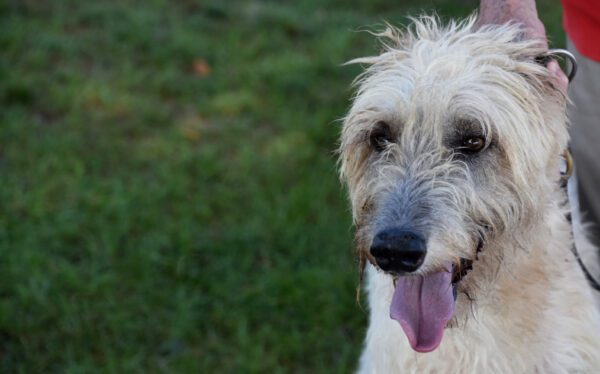
How Much Does It Cost to Adopt a Irish Wolfhound in Iowa?Adopting an Irish Wolfhound in Iowa typically costs from $200 to $450 for most adults, with puppies or young dogs often ranging from $300 to $600. Fees vary based on age, prior training, medical care, and regional demand for the breed. Adoption packages usually include spaying or neutering, vaccinations, microchipping, and veterinary exams. Some dogs also receive heartworm testing, parasite treatment, or dental cleanings, which can raise costs when extensive care is needed. Expect higher fees when the dog has completed formal training, when demand outpaces supply, or when medical care was significant. Expect lower fees for senior dogs or for dogs with special needs that require a dedicated adopter. |
How Should I Train a Irish Wolfhound?The Irish Wolfhound is intelligent, sensitive, and eager to cooperate with a kind handler. Use positive reinforcement with food rewards, praise, and calm repetition. Keep sessions short and upbeat, since long drills can cause frustration. Focus early on leash manners, recall with a long line, and impulse control around wildlife, bicycles, and fast-moving objects. Teach polite greetings, settle on a mat, and reliable leave-it cues. Practice cooperative care so your dog accepts nail trims, grooming, and veterinary handling without stress. Because of the breed’s size, start training early to prevent pulling, jumping, or counter surfing from becoming habits. For structured support tailored to giant breeds, explore Dog Academy’s online training courses, which cover foundations, leash skills, and behavior problem prevention with step-by-step lessons. |
|
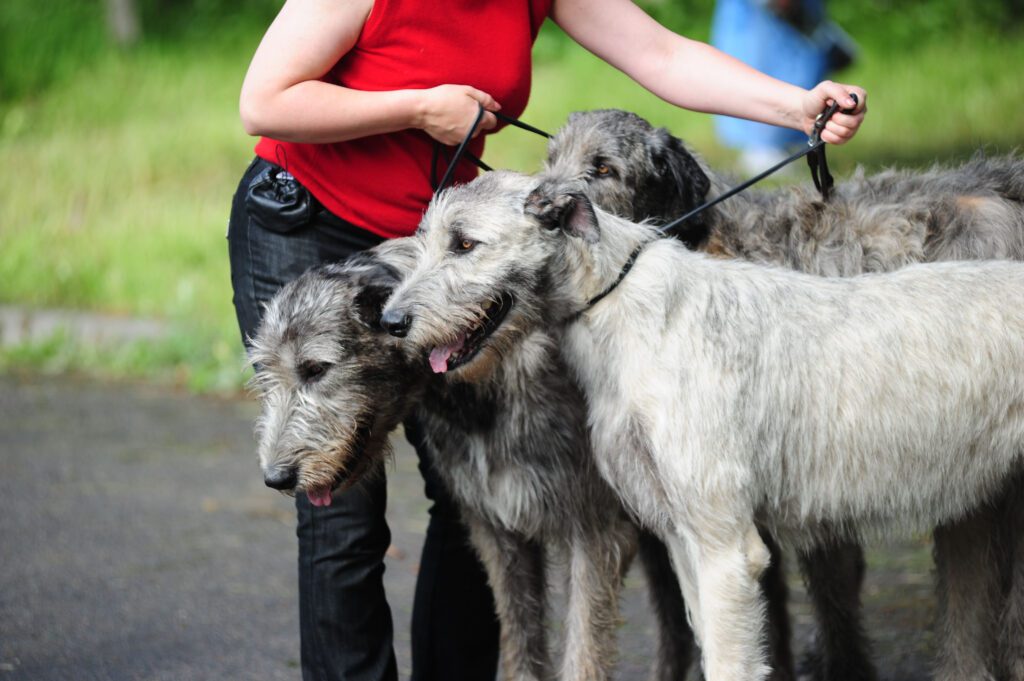
The ideal Irish Wolfhound owner provides space, stable routines, and patient training. A fenced yard, a car that fits a giant dog, and a budget for large-breed nutrition and veterinary care set you up for success. Families who enjoy calm daily walks, quiet evenings, and gentle companionship often thrive with this breed.
Take your time, learn about the breed’s needs, and prepare your home before you adopt. When you move slowly and choose thoughtfully, you give an Irish Wolfhound the best chance to settle in and become a beloved member of your Iowa household for years to come.
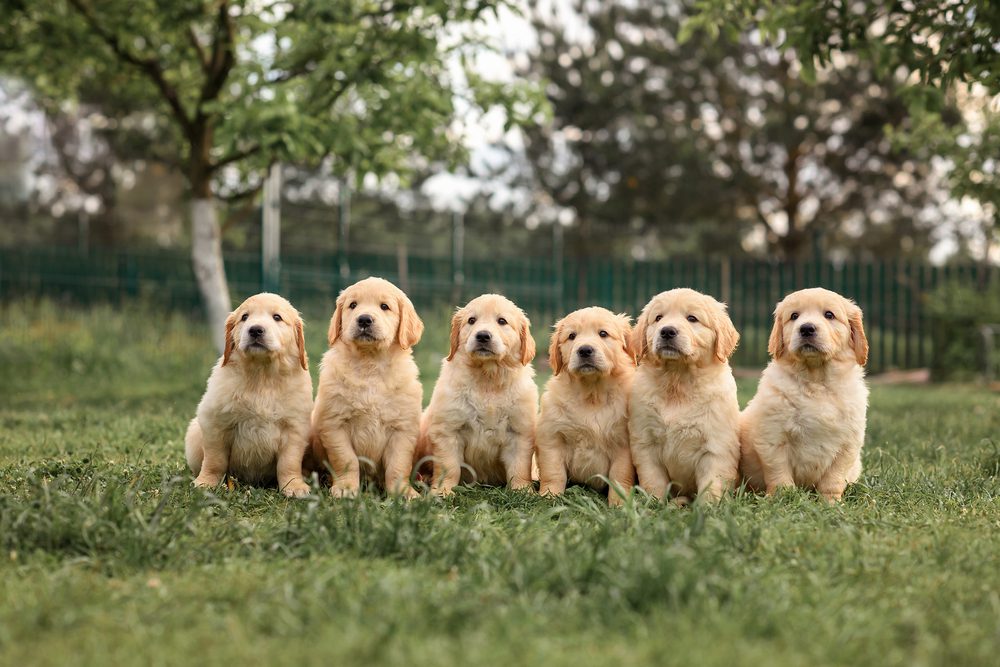
Introducing a new puppy to your current dog is often an exciting process, and many dogs will become fast friends and eas...
Read More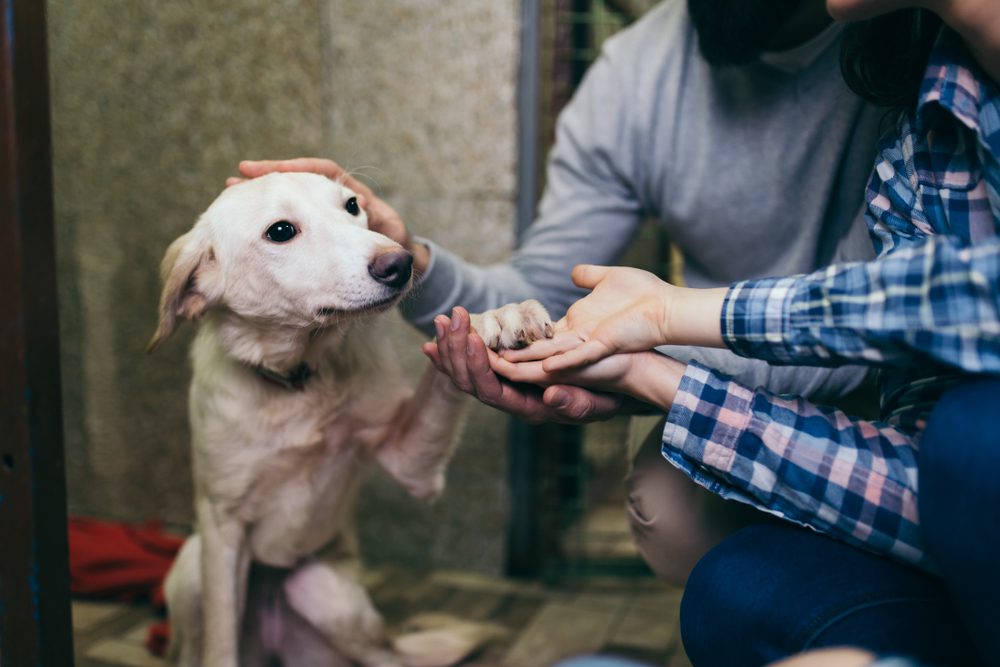
Rescue dogs can make great companions and can transform your home into something better. These dogs make great pets and ...
Read More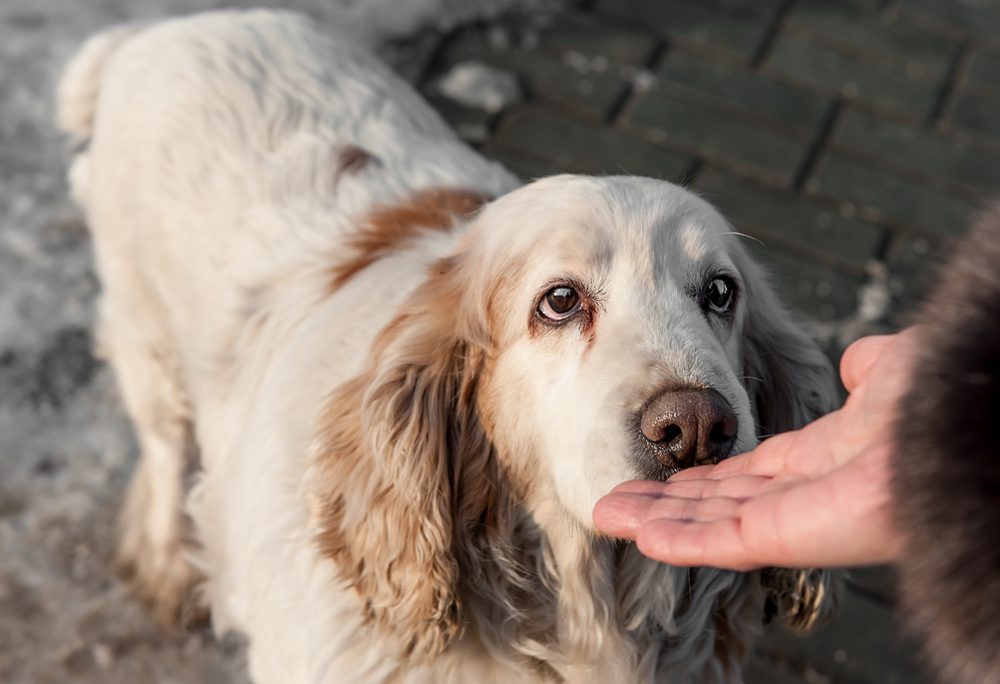
You should never rush to pet a dog. Even dog owners make the mistake of approaching unfamiliar dogs and petting them rig...
Read More
Puppy mill dogs are survivors who have endured extreme hardships in their lives. They have grown up in horrendous, unsan...
Read More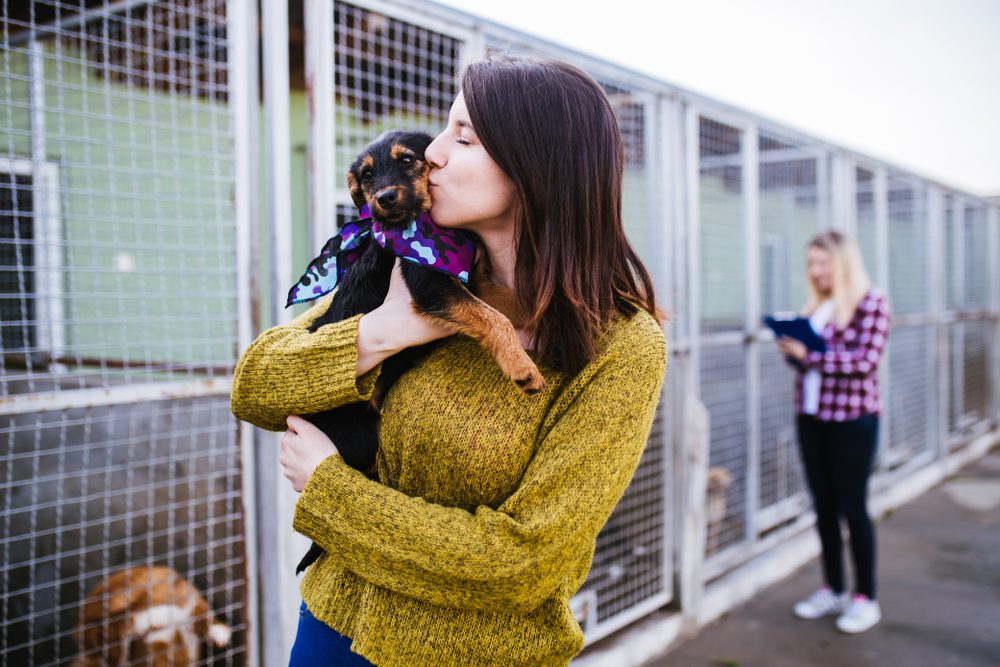
With their wagging tails and comforting presence, adopting a dog can add a unique touch to your life. It’s a heart...
Read More
Older dogs may have a few gray hairs around the edges, but that doesn’t mean they can’t make wonderful companions! T...
Read More