


























































































































































































Introducing a new puppy to your current dog is often an exciting process, and many dogs will become fast friends and eas...
Read MoreAdopt Me

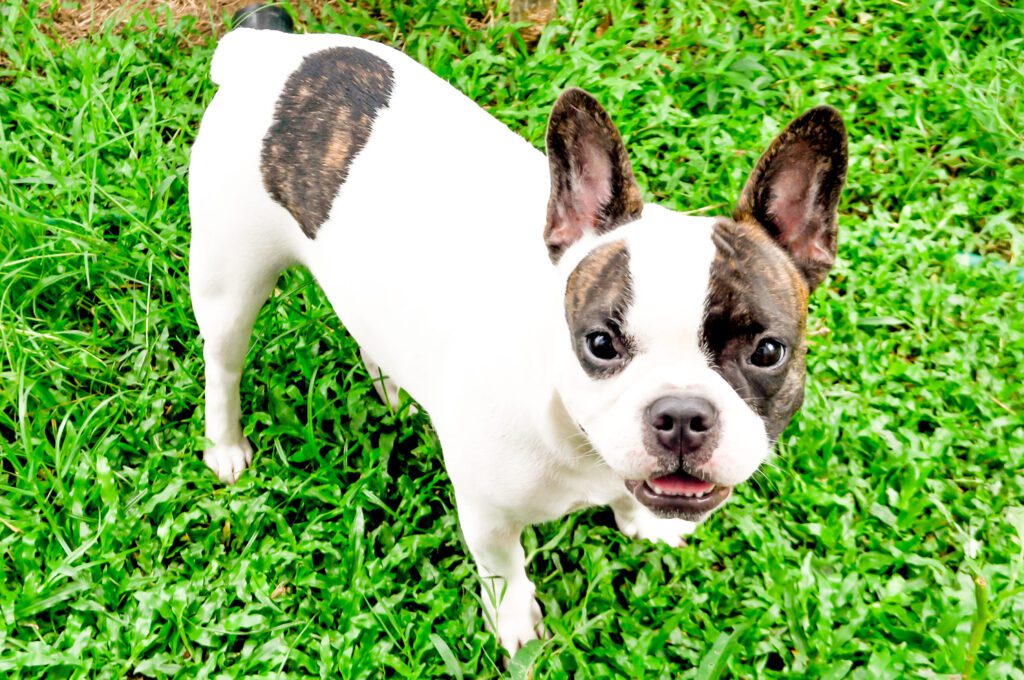

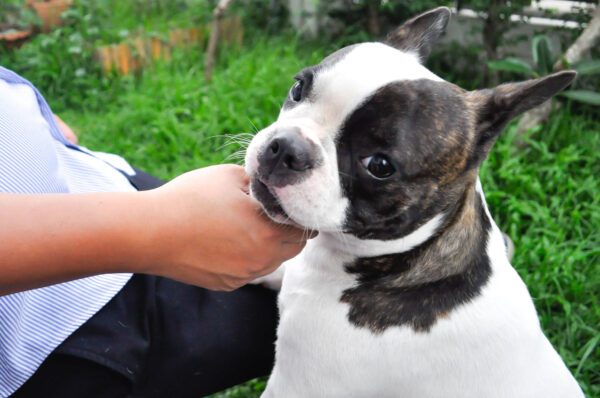
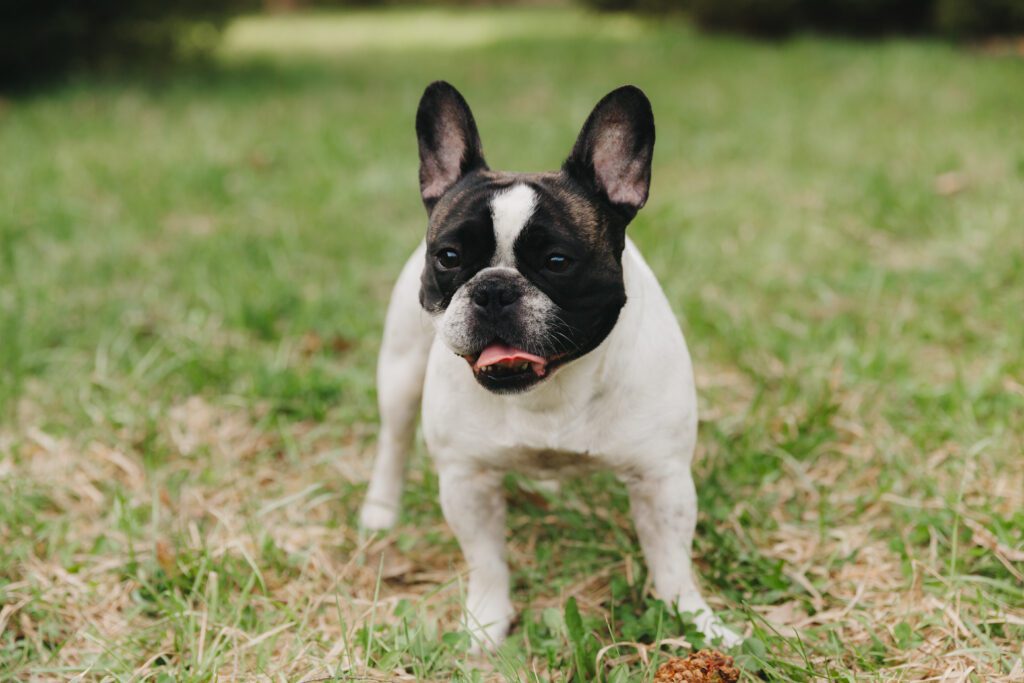
The Frenchton blends the charm of the French Bulldog with the spunk of the Boston Terrier. Most Frenchtons are affectionate, playful, and people oriented. The compact size and easygoing nature fit well with apartments, townhomes, and quiet neighborhoods. A short coat and moderate exercise needs make daily care simple for many families and first-time adopters.
Thoughtful research matters before any adoption. Understanding health, grooming, and training needs helps you choose with confidence. Adoption gives a dog a second chance and often includes essential veterinary care that reduces early expenses. Iowa can be a great home for a Frenchton, yet the state’s climate requires planning. Summers in Iowa are hot and humid, and winters are cold and windy. Frenchtons have short muzzles, so they need air conditioning in summer and warm gear in winter. Short walks, indoor play, and climate control keep this companion safe and comfortable year-round.
Iowa offers varied lifestyles, from small cities to rural communities. Frenchtons thrive as indoor companions that enjoy short daily outings. They do best with families who value routine, gentle exercise, and frequent companionship. Long runs, strenuous hikes, and high heat are not a match for this breed, while relaxed walks and cozy evenings at home are ideal.
You can skip searching shelters and rescues one by one by starting with Dog Academy. Dog Academy’s adoption listings gather dogs from many sources so you can browse in one place, filter by size and age, and request more information. You can also use Dog Academy’s educational guides and adoption checklists to prepare your home and your family for a smooth transition.
Frenchtons appear through local animal shelters, regional rescues, breed-specific rescue groups, and foster networks. Begin by reviewing each dog’s profile and medical notes. Ask about breathing comfort during activity, age, energy level, house training, and comfort with children or other pets. Clarify any previous surgeries or allergies so you can plan care and set realistic expectations.
The process usually starts with browsing listings and submitting an application. Applications often request identification, veterinary references, and landlord approval when you rent. A coordinator then schedules a phone interview and a meet-and-greet. Many groups perform home checks that confirm safe fencing, secure doors, and suitable indoor space. Home checks can be virtual or in person. Some groups offer foster-to-adopt trials that allow a short period in your home before finalizing. Timelines vary, yet many approvals in Iowa take 1 to 3 weeks depending on background checks, home check scheduling, and the dog’s medical readiness.
Transport can be an option when your chosen dog is not nearby. Transport is often arranged by rescues to move dogs between states or between regions within a state. The group coordinates drivers or a licensed carrier, and adopters may meet at a central location. A modest transport fee sometimes applies to cover fuel and care during travel. Always confirm who handles health certificates and who supplies crates for a safe and stress-reduced trip.
|
How Much Does It Cost to Adopt a Frenchton in Iowa?In Iowa, a realistic adoption fee for a Frenchton typically ranges from $300 to $600. Fees trend higher for young adults and puppies due to strong demand for small companion breeds. Costs also rise when the dog has completed extra training or received extensive medical care. Adoption fees usually include spaying or neutering, vaccinations, microchipping, and veterinary exams. Fees may also reflect dental cleanings, airway evaluations for brachycephalic comfort, eye care, and treatment for allergies or skin infections. Age, training, medical history, and local demand all influence the final fee. Ask for an itemized list so you understand exactly what the fee covers. |
How Should I Train a Frenchton?Frenchtons are bright, social, and eager to please. Short sessions, food rewards, praise, and play keep training fun and productive. Keep lessons brief and upbeat, then finish while the dog still feels successful. Focus early on house training, crate training, name recognition, and calm greetings. Because Frenchtons can overheat easily, practice in cool spaces and offer water and rest after short activity. Some Frenchtons show a stubborn streak or become distracted in busy settings. Use clear cues, generous rewards, and consistent routines. Reward quiet behavior to reduce barking. Build independence with short alone-time exercises to prevent separation anxiety. Introduce new people, calm dogs, sidewalks, farm equipment noise, and thunderstorms in a gradual and positive way. Avoid harsh corrections and heavy physical pressure because sensitive dogs can shut down under stress. You can build skills at home with Dog Academy’s online training courses. Step-by-step lessons cover puppy foundations, basic manners, loose-leash walking, impulse control, and separation anxiety support. Structured guidance helps you progress at a steady pace while keeping sessions safe for a brachycephalic companion. |
|
The ideal owner enjoys an affectionate indoor companion, plans short daily walks, and keeps a climate-controlled home. A consistent routine, gentle play, and time for training help a Frenchton thrive. Families with children who understand soft handling often do well with this cheerful and sturdy small dog.
Prepare your space, gather supplies, and set a veterinary budget before you apply. Take your time, ask detailed questions, and meet more than one dog when possible. Start your search with Dog Academy to compare options across Iowa. With patience and preparation, you will find a Frenchton that fits your home and your heart.

Introducing a new puppy to your current dog is often an exciting process, and many dogs will become fast friends and eas...
Read More
Rescue dogs can make great companions and can transform your home into something better. These dogs make great pets and ...
Read More
You should never rush to pet a dog. Even dog owners make the mistake of approaching unfamiliar dogs and petting them rig...
Read More
Puppy mill dogs are survivors who have endured extreme hardships in their lives. They have grown up in horrendous, unsan...
Read More
With their wagging tails and comforting presence, adopting a dog can add a unique touch to your life. It’s a heart...
Read More
Older dogs may have a few gray hairs around the edges, but that doesn’t mean they can’t make wonderful companions! T...
Read More