



























































































































































































Introducing a new puppy to your current dog is often an exciting process, and many dogs will become fast friends and eas...
Read MoreAdopt Me

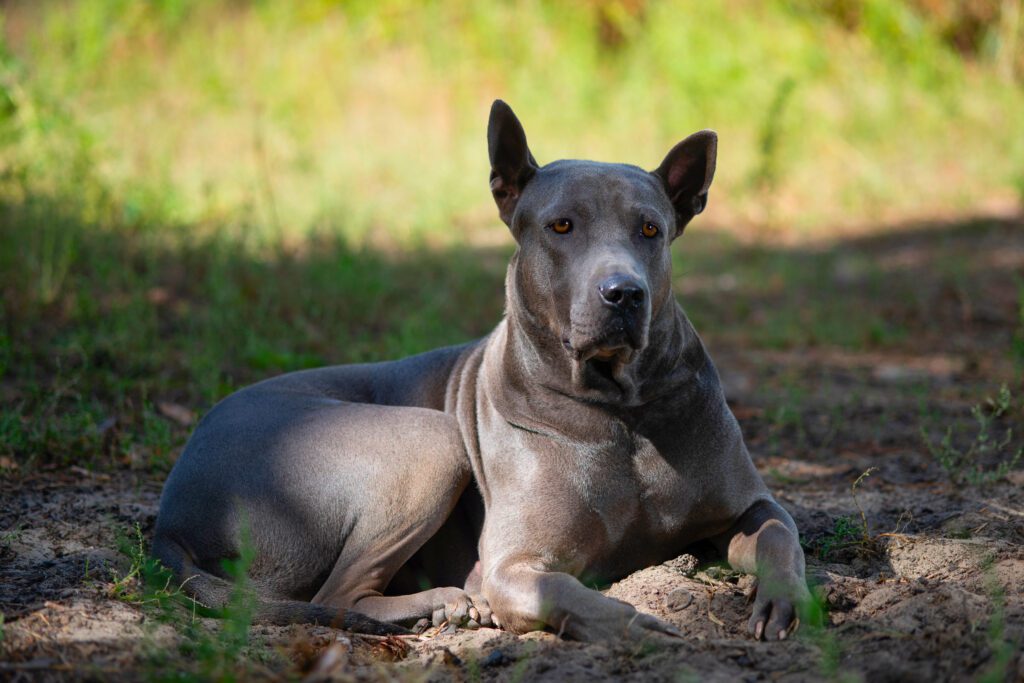
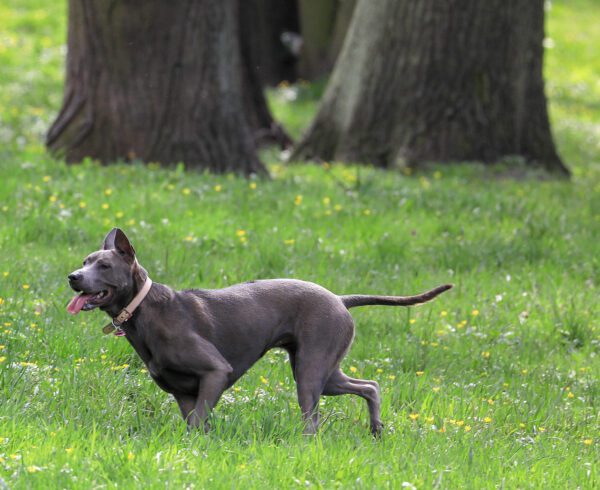
The Thai Ridgeback is an athletic, loyal, and confident dog that bonds closely with its family. This independent breed carries a distinctive ridge of hair along the back and moves with a balanced, powerful stride. Many people admire the breed for its natural guarding instincts, keen awareness, and affectionate nature with trusted people.
Thoughtful research matters before you adopt a Thai Ridgeback in Iowa. The breed has strong prey drive, high exercise needs, and a smart yet willful mind that requires patient, consistent training. Adoption gives a deserving dog a second chance, and it often includes valuable veterinary care that helps you start strong. You also gain support from knowledgeable teams that evaluate behavior and match dogs to suitable homes.
Iowa’s climate and geography can suit this breed when you plan ahead. Cold winters require a warm coat, limited time outdoors during deep freezes, and traction on icy walkways for safety. Hot, humid summers call for shade, cool water, and rest during midday heat. Wide open spaces and rural properties make secure fencing essential because the breed’s prey drive encourages chasing wildlife. Active households in towns or rural areas can thrive with a Thai Ridgeback when they provide daily exercise, clear structure, and mental enrichment.
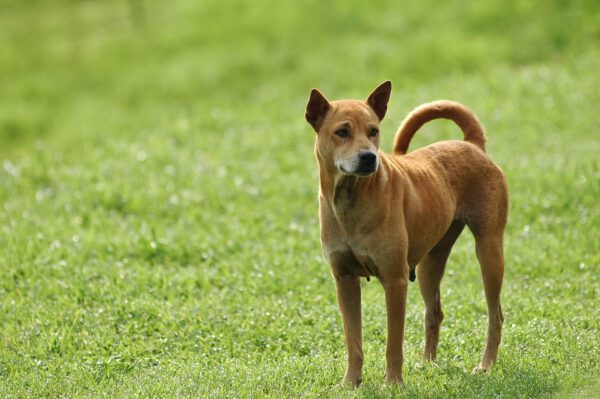
You can skip searching shelters and rescues one by one by browsing adoption listings on Dog Academy. The listings aggregate dogs from multiple sources, which saves time and reduces missed opportunities. Dog Academy also offers educational guides and adoption checklists that help you prepare with confidence. You can also look to local animal shelters, regional rescues, and breed-specific rescue groups, especially since Thai Ridgebacks are rare in the Midwest. You may also find Thai Ridgeback mixes that share similar traits and can be a great match.
Start by reviewing profiles carefully. Read about age, energy level, compatibility with children and other pets, and any medical notes. Look for details about temperament in new environments, tolerance for handling, and response to training. Ask for videos and updates when possible so you can picture daily life with that specific dog.
Most organizations use a similar process. You complete an application, share veterinary and personal references, and confirm housing and landlord approval when applicable. Many groups schedule a phone or video interview to discuss experience and expectations. Meet-and-greets follow for dogs that appear to be a fit. Home checks may be virtual or in person to confirm safety and secure fencing. Approval timelines vary from 1 to 3 weeks, and rare breeds can take a bit longer due to careful matchmaking. Some rescues arrange transport to move dogs between locations, and they use volunteer drivers or licensed carriers to bring dogs safely to Iowa when local placement is not available.
Prepare your home while you wait. A secure yard and a strong, well-fitted harness support safe exercise. A crate, chew-safe toys, and food puzzles help with rest and enrichment. Plan for a quality coat for winter and a cooling strategy in summer. Set up a calm decompression space so your new companion can settle during the first days.
|
How Much Does It Cost to Adopt a Thai Ridgeback in Iowa?Expect adoption fees in Iowa to range from $350 to $600 for a Thai Ridgeback or a close mix. The exact fee reflects age, training investment, recent medical care, and regional demand for the breed. Puppies and young adults usually sit at the higher end of the range, while seniors may be lower. Fees can also reflect transport into Iowa and specialized evaluations that help ensure a safe match. Most fees include spaying or neutering, vaccinations, microchipping, and veterinary exams. Some groups also cover heartworm testing, parasite treatment, and basic training support. A well-vetted dog often saves money compared to private purchase because you avoid many immediate medical expenses. |
How Should I Train a Thai Ridgeback?The Thai Ridgeback is intelligent and observant, yet often independent. The breed responds best to positive reinforcement with high-value rewards and clear boundaries. Keep sessions short, upbeat, and frequent, and end on a success to build momentum. Harsh corrections can erode trust, while reward-based methods strengthen focus and cooperation. Prioritize socialization, impulse control, and a reliable recall. Practice loose-leash walking, settle on a mat, and calm greetings with guests. Use scent games, puzzle feeders, and target training to tire the mind. Crate training helps with rest and travel, and it supports safe downtime during Iowa’s winter storms or busy summer gatherings. For step-by-step support, explore Dog Academy’s online training courses, which include clear lessons on recall, leash skills, confidence building, and problem prevention tailored for real homes. |
|
The ideal owner is active, patient, and consistent. A Thai Ridgeback thrives with daily exercise, thoughtful socialization, and a calm home routine. A secure yard and a commitment to training set this breed up for success in Iowa’s changing seasons.
Take your time, ask detailed questions, and prepare your home before you bring your new companion home. Use the adoption listings on Dog Academy to compare options efficiently, and lean on educational guides to plan your first weeks. Careful preparation today leads to a confident, loyal partner for years to come.

Introducing a new puppy to your current dog is often an exciting process, and many dogs will become fast friends and eas...
Read More
Rescue dogs can make great companions and can transform your home into something better. These dogs make great pets and ...
Read More
You should never rush to pet a dog. Even dog owners make the mistake of approaching unfamiliar dogs and petting them rig...
Read More
Puppy mill dogs are survivors who have endured extreme hardships in their lives. They have grown up in horrendous, unsan...
Read More
With their wagging tails and comforting presence, adopting a dog can add a unique touch to your life. It’s a heart...
Read More
Older dogs may have a few gray hairs around the edges, but that doesn’t mean they can’t make wonderful companions! T...
Read More