























































































































































Introducing a new puppy to your current dog is often an exciting process, and many dogs will become fast friends and eas...
Read MoreAdopt Me

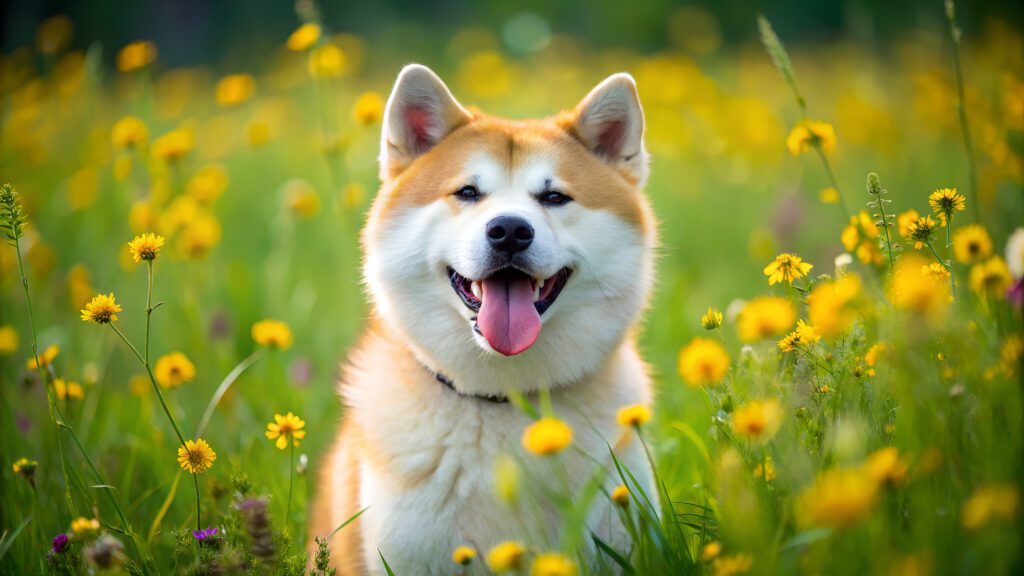
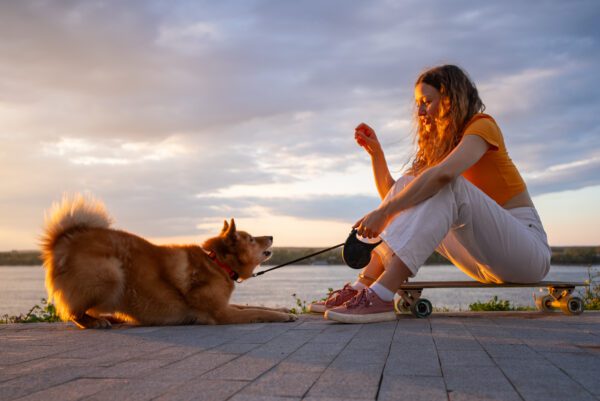
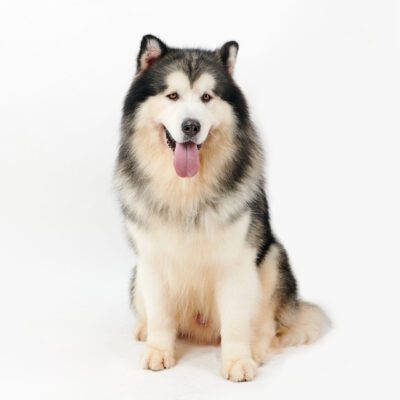
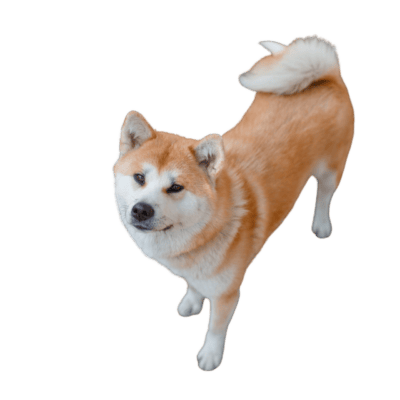
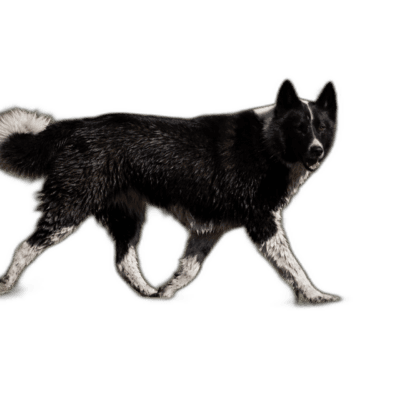
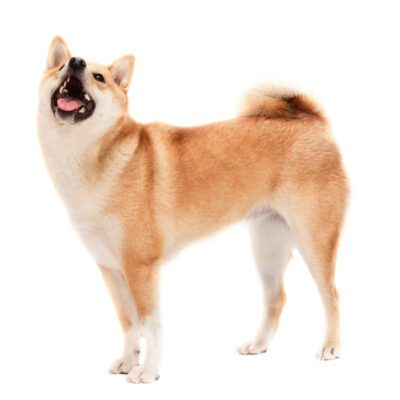
The Akita is a large, dignified, and loyal companion that bonds deeply with family. This breed is calm in the home, watchful outdoors, and very devoted. An Akita is independent, intelligent, and protective, which makes consistent training and early socialization essential. If you want to adopt a Akita in Iowa, this guide explains how to prepare and what to expect at every step.
Thoughtful research always leads to better matches. Adoption gives a dog a second chance and supports the work of shelters and rescues that care for dogs in need. Choosing adoption also allows you to review behavior notes and medical history before you commit, which helps you select the right temperament for your household.
Iowa’s cold winters suit the Akita’s dense double coat. Hot and humid summers require shade, cool rest areas, and limited activity during peak heat. Iowa’s open spaces can provide excellent outlets for daily exercise, though an Akita needs a secure fence and supervised yard time due to a strong prey drive. Rural wildlife can trigger chasing, and busy neighborhoods call for steady leash skills and polite greetings. Apartment living can work when owners commit to structured walks, mental enrichment, and reliable routines.
You can skip searching shelters and rescues one by one by using Dog Academy to browse adoptable Akitas in a single place. Dog Academy also provides educational guides and adoption checklists that help you compare candidates, prepare your home, and plan a smooth transition.
Look for available dogs through local animal shelters, regional rescues, and breed-specific rescue groups. Start by browsing listings, reading behavior notes, and confirming each dog’s age, size, energy level, and any training updates. Ask for recent photos and videos when available, and request details about how the dog behaves with adults, children, and other pets.
Most organizations use a detailed application. Expect to share information about your home, fencing, daily schedule, and experience with large or independent breeds. You may need landlord approval if you rent, personal references, and a veterinary reference for current pets. Approval times vary by group, but a complete application often moves faster because staff can verify details without delays.
After initial approval, you schedule a meet-and-greet. All household members should attend, including resident dogs, so you can observe body language and compatibility. Many groups conduct a home check in person or through a virtual visit to confirm safety, secure storage of food and medications, and escape-proof fencing or a reliable management plan. When everything aligns, final approval and pickup usually occur within 1 to 3 weeks, depending on volunteer availability and your readiness.
Some rescues arrange transport to move dogs between locations when a good match lives farther away. Transport is often organized through volunteer drivers or professional carriers who move the dog in legs, use secure crates, and coordinate handoffs for safety. A modest transport fee may apply to cover fuel and care during travel.
|
How Much Does It Cost to Adopt a Akita in Iowa?Most adopters in Iowa pay about $200 to $450 for an adult Akita. Puppies generally cost $350 to $600 because demand is higher and care is more intensive. Fees vary by age, training, medical care, and how long the dog has been in the program. Costs in Iowa are often moderate, and fees reflect the care already provided. Adoption fees usually include spaying or neutering, vaccinations, microchipping, and veterinary exams. Many groups also provide deworming and a heartworm test. Fees may increase if the dog received advanced medical treatment, completed behavior work, or traveled a long distance through organized transport. |
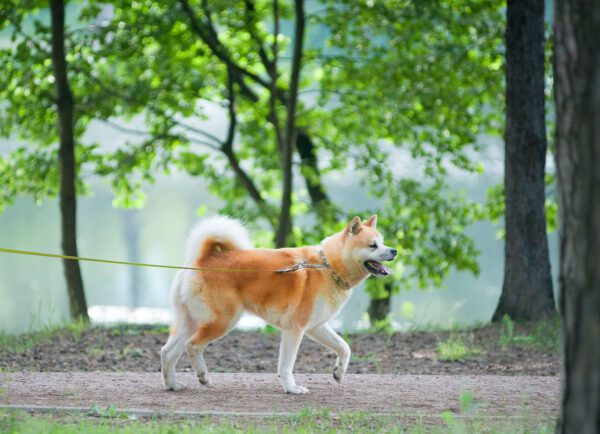
How Should I Train a Akita?The Akita is smart and observant, yet the breed is also independent. Training works best when you use positive reinforcement, short sessions, and clear rules that stay the same every day. Reward calm behavior, practice leash manners on quiet routes, and teach impulse control through sit, stay, and wait at doors. Early and steady socialization helps the Akita accept new places and people with confidence. Common challenges include dog selectivity, guarding tendencies, and a strong prey drive. Manage greetings carefully, avoid off-leash areas that allow free mingling, and focus on reliable recalls in secure spaces. Many owners benefit from step-by-step guidance found in Dog Academy’s online training courses, which cover foundation skills, impulse control, leash work, and behavior troubleshooting tailored to strong, independent breeds. |
|
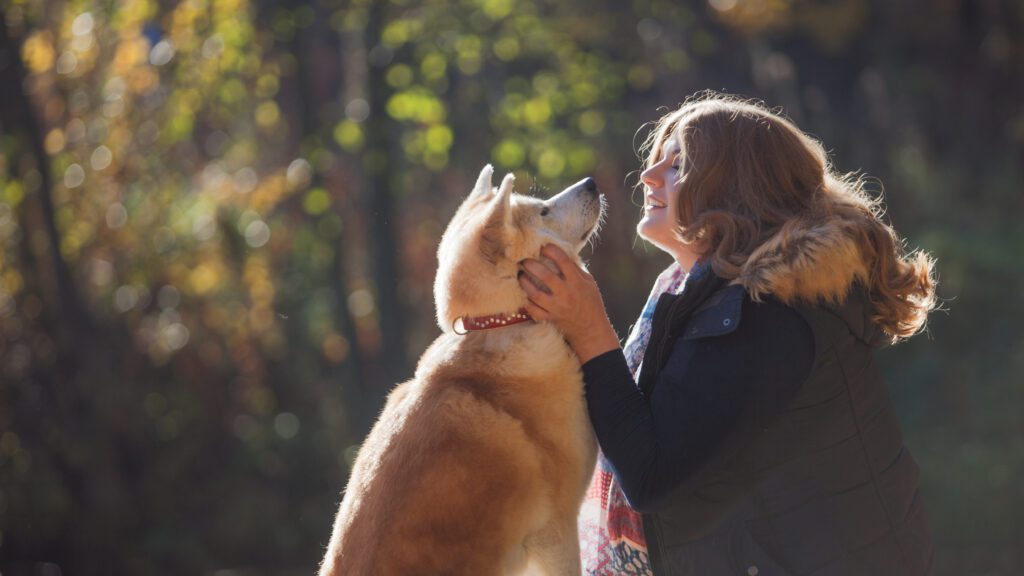
The ideal Akita owner is calm, consistent, and ready to guide a powerful guardian breed with fairness and structure. Daily exercise and mental enrichment keep this breed balanced, while clear boundaries support good manners with visitors and other dogs. A secure yard helps, but dedicated leash walks and training can meet needs in any home that commits to a routine.
Prepare your space, gather supplies, and set a training plan before adoption day. Take time to learn, ask questions, and move at a pace that feels right for your family and the dog. With patience and the right match, the Akita’s loyalty and steadiness will reward your effort for years to come.

Introducing a new puppy to your current dog is often an exciting process, and many dogs will become fast friends and eas...
Read More
Rescue dogs can make great companions and can transform your home into something better. These dogs make great pets and ...
Read More
You should never rush to pet a dog. Even dog owners make the mistake of approaching unfamiliar dogs and petting them rig...
Read More
Puppy mill dogs are survivors who have endured extreme hardships in their lives. They have grown up in horrendous, unsan...
Read More
With their wagging tails and comforting presence, adopting a dog can add a unique touch to your life. It’s a heart...
Read More
Older dogs may have a few gray hairs around the edges, but that doesn’t mean they can’t make wonderful companions! T...
Read More