



























































































































































































Introducing a new puppy to your current dog is often an exciting process, and many dogs will become fast friends and eas...
Read MoreAdopt Me
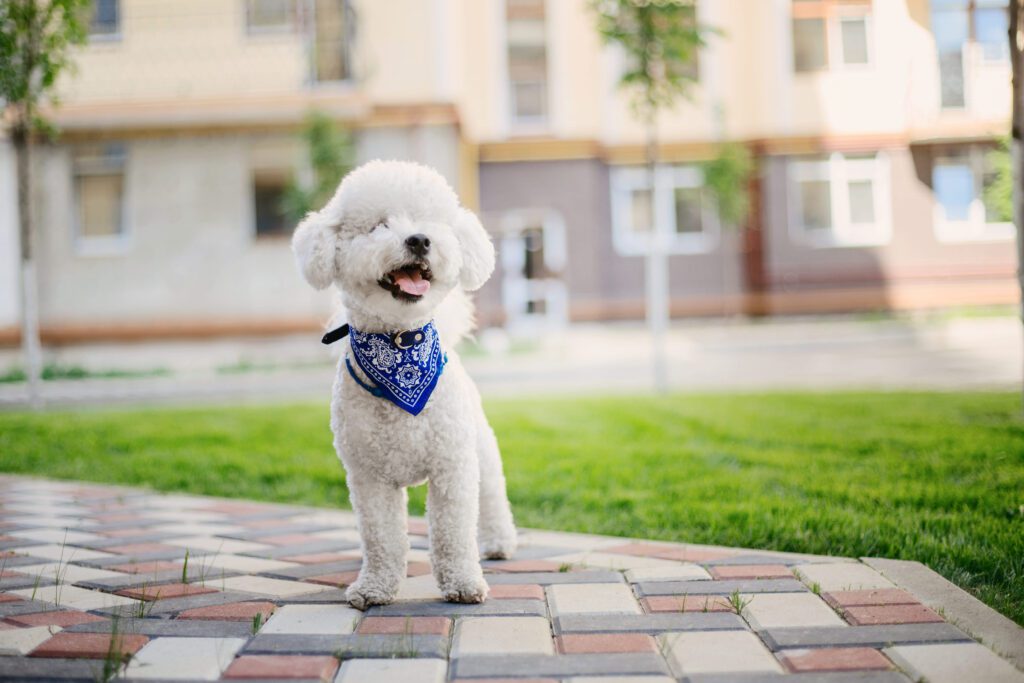


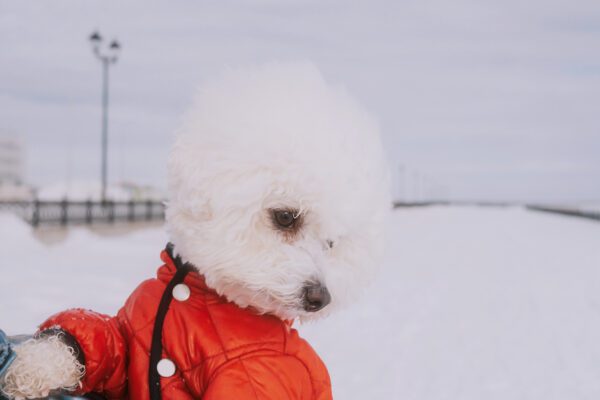
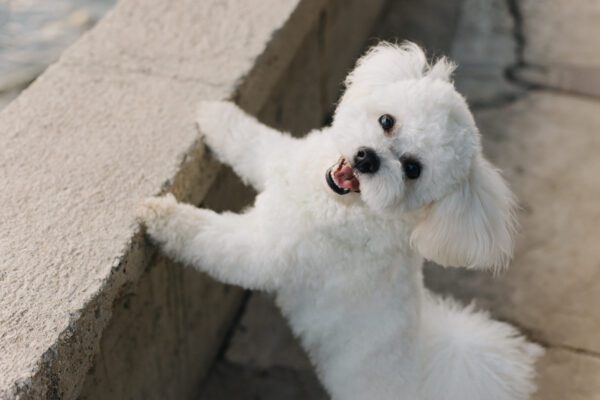
The Bichon Frise is a cheerful, people-focused companion that enjoys play, cuddles, and routine. This small dog is bright, affectionate, and adaptable. The soft, curly coat sheds very little, which many allergy-sensitive families appreciate. Before you adopt, learn the breed’s needs and your own lifestyle. A prepared adopter sets a dog up for success and reduces stress for everyone.
Adoption is a rewarding way to welcome a Bichon Frise. You give a dog a second chance and you gain support from knowledgeable volunteers and staff. North Carolina is a good fit for this breed when owners plan for heat, humidity, and grooming. Summers in the state can be hot and sticky, so Bichons need shade, cool water, and shorter walks during peak heat. Winters are generally mild, though mountain areas can be colder. Bichons do well in apartments and houses as long as they receive daily walks and mental enrichment.
Research matters because the Bichon Frise is social and sensitive. The breed enjoys time with people and can develop separation stress if left alone for long hours. Regular brushing, scheduled grooming, and patient house training are part of responsible ownership. When you prepare for these needs, you create a safe, happy home for a Bichon in North Carolina.
You can avoid searching shelters and rescues one by one by starting with Dog Academy. You can browse adoptable Bichons and Bichon mixes in one place, read profiles, and build a shortlist. Dog Academy also offers educational guides and checklists, which help you prepare documents, set up your home, and plan your first week.
To adopt a Bichon Frise in North Carolina, explore options through local animal shelters, regional rescues, and breed-specific rescue groups. Read each dog’s profile for age, temperament notes, health details, and home preferences. Next, submit an application that explains your schedule, home setup, yard or balcony access, landlord approval if you rent, and current pets. Many groups request personal references and a veterinarian reference to confirm a history of responsible care.
After your application review, you are invited to a meet-and-greet. This step confirms that the dog’s energy and personality match your expectations. A home check often follows. It can be in person or virtual. The purpose is to verify safety measures such as secure doors, tidy walkways, and a plan for confinement during house training. Approval timelines vary based on demand and how quickly references reply. Most adopters receive an answer within 7 to 14 days when paperwork is complete and the match is strong.
If your match lives outside your city, ask about transport. Rescues sometimes arrange transport to move dogs between locations using coordinated volunteers or licensed carriers. Transport schedules depend on driver availability and the dog’s health documents. After approval, you sign an adoption contract, pay the fee, and set your first veterinary visit within a reasonable time. Many groups provide a short trial period to ensure the fit is right for you and the dog.
|
How Much Does It Cost to Adopt a Bichon Frise in North Carolina?Most adopters in North Carolina pay $250 to $450 to adopt a Bichon Frise. Younger dogs and high-demand placements tend to be near the upper end. Seniors and special-needs dogs are often lower. Fees vary with veterinary care provided, grooming needs, and any training completed before placement. Urban areas with high demand can list slightly higher fees, while rural shelters may sit near the lower end. Adoption fees usually include spaying or neutering, vaccinations, microchipping, and veterinary exams. Many Bichons also receive dental cleanings, heartworm testing, and preventative treatments. Some dogs arrive with basic manners training, which can raise costs modestly. When you compare fees, review what is included so you understand the full value of the adoption package. |
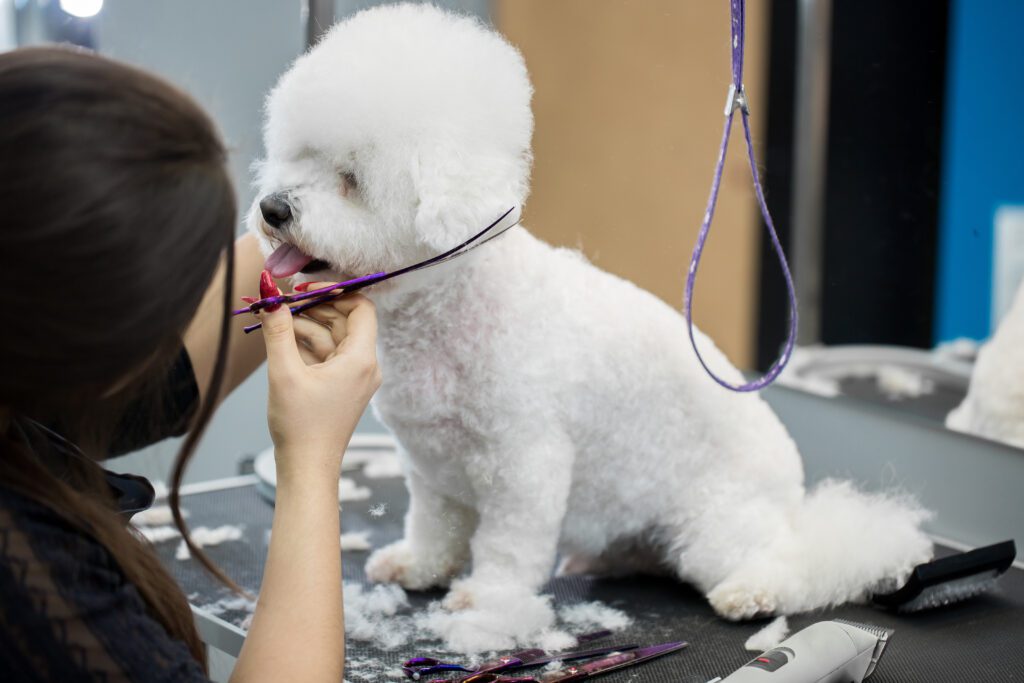
How Should I Train a Bichon Frise?The Bichon Frise is intelligent and eager to please, which makes training enjoyable when you use praise and rewards. Keep sessions short and upbeat. Use soft treats, a cheerful voice, and clear cues. House training can take time with a small dog. Consistent schedules, frequent outdoor breaks, and crate training help prevent accidents. Teach calm greetings and settle cues to reduce excitable barking. Early socialization builds confidence with children, visitors, and new environments. Grooming cooperation is essential for this breed. Introduce brushing, face cleaning, and nail trims with treats so your dog stays relaxed. Leash skills and recall practice support safe walks in North Carolina neighborhoods, parks, and trails. For step-by-step lessons you can follow at home, explore Dog Academy’s online training courses. These guided programs show you how to reinforce good habits, build reliability, and strengthen your bond from day one. |
|
A great Bichon owner enjoys daily interaction, gentle guidance, and routine. The ideal home offers time for 2 to 3 short walks, playful training, and regular grooming. A flexible schedule is helpful because this social breed likes company and predictability. A budget for grooming and preventive vet care is also important. When you commit to structure and kindness, a Bichon becomes a joyful companion for families, retirees, and first-time dog owners.
Take your time, read profiles carefully, and prepare your home before you apply. Start with Dog Academy to browse listings and use helpful checklists. When you adopt a Bichon Frise in North Carolina with intention, you give a deserving dog a safe, loving home and gain a loyal friend for years to come.

Introducing a new puppy to your current dog is often an exciting process, and many dogs will become fast friends and eas...
Read More
Rescue dogs can make great companions and can transform your home into something better. These dogs make great pets and ...
Read More
You should never rush to pet a dog. Even dog owners make the mistake of approaching unfamiliar dogs and petting them rig...
Read More
Puppy mill dogs are survivors who have endured extreme hardships in their lives. They have grown up in horrendous, unsan...
Read More
With their wagging tails and comforting presence, adopting a dog can add a unique touch to your life. It’s a heart...
Read More
Older dogs may have a few gray hairs around the edges, but that doesn’t mean they can’t make wonderful companions! T...
Read More