




























































































































































































Introducing a new puppy to your current dog is often an exciting process, and many dogs will become fast friends and eas...
Read MoreAdopt Me
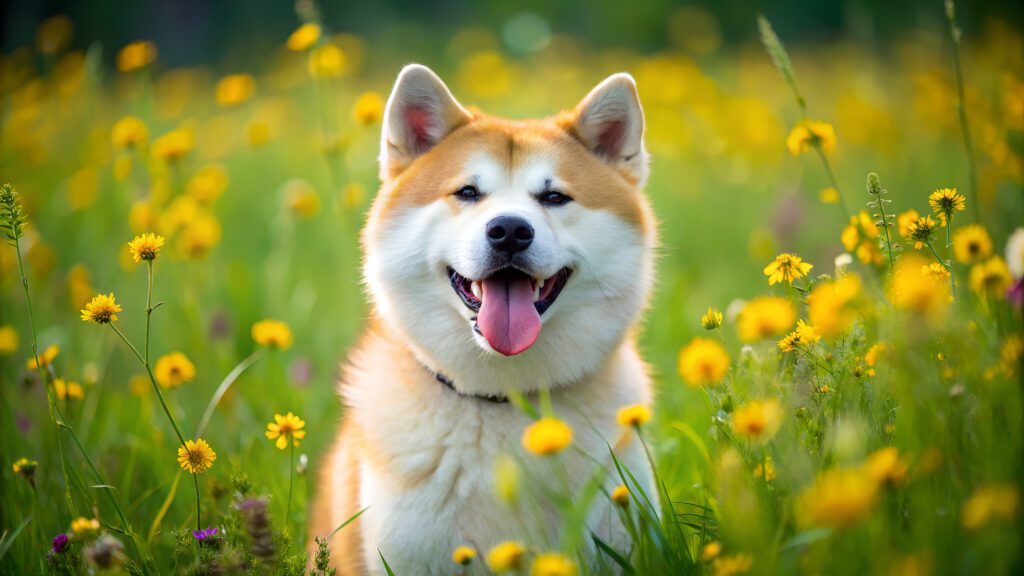
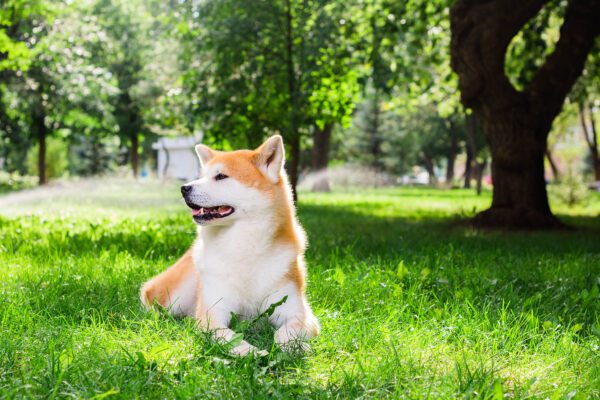
The Akita is a loyal, dignified, and deeply devoted companion. This breed bonds closely with family, stays calm in the home, and shows natural confidence in new situations. Akitas carry a thick double coat, a powerful frame, and keen awareness, which makes them impressive partners for experienced dog owners. Careful research helps you understand temperament, exercise needs, and grooming before you bring one home.
Adoption helps dogs in need while also supporting responsible pet care in your community. When you adopt, you gain a dog whose temperament and health have been evaluated, and you receive guidance that sets your new companion up for success. Choosing adoption over buying also reduces demand for irresponsible breeding and gives a deserving Akita a second chance.
North Carolina offers a wide range of environments that can suit an Akita with the right preparation. The mountains bring cooler winters that many Akitas enjoy, while coastal and Piedmont summers get hot and humid. An Akita does well when you manage heat with shade, water, and indoor rest during midday. Daily walks, secure fencing, and mental enrichment fit suburban and rural lifestyles, and committed urban owners can meet needs with structured exercise and calm routines.
You can skip the stress of searching shelters and rescues one by one by using Dog Academy. You can browse current North Carolina Akita listings in one place, save favorites, and review educational guides and adoption checklists that explain every step. This single hub makes it simpler to compare dogs, understand requirements, and move forward with confidence.
Adoptable Akitas appear through local animal shelters, regional rescues, breed-specific rescue groups, and foster networks. Start by browsing listings and reading each profile in full. Pay attention to age, size, activity level, behavior notes, and any medical updates. Contact the organization with clear questions about compatibility with children, other dogs, and cats, as well as house manners and leash skills.
The next step usually involves an application that gathers your housing details, experience with large breeds, daily schedule, and veterinarian information. Many groups request proof of landlord approval when you rent and may ask for references. A meet-and-greet often follows, which allows you to observe the Akita’s comfort level with you and any resident dogs in a neutral space. Some organizations conduct a home check to confirm safe fencing, secure gates, and a calm setup for decompression. Approval timelines vary, though many groups respond within 3 to 10 days. Holidays and high demand can extend that window.
If the right match is outside your immediate area, ask about transport. Transport is often arranged by rescues to move dogs between locations using coordinated volunteer drivers or professional services. Groups usually provide health records and set clear pickup instructions so the handoff stays smooth and stress free. Clear communication keeps the process organized and helps your new Akita settle in quickly.
|
How Much Does It Cost to Adopt a Akita in North Carolina?In North Carolina, expect typical Akita adoption fees to fall around $200 to $450 through local shelters, with breed-focused rescues commonly ranging from $300 to $600. Senior dogs often run lower at roughly $75 to $250, while well-socialized puppies can reach the higher end of the range due to demand and preventive care. Costs shift with age, training, recent medical care, and overall interest in the individual dog. Most fees include spaying or neutering, vaccinations, microchipping, and veterinary exams. Many organizations also provide a recent heartworm test and deworming, which can add value. When you compare fees, ask exactly what is included and request copies of all records so you understand the care your Akita has already received. |
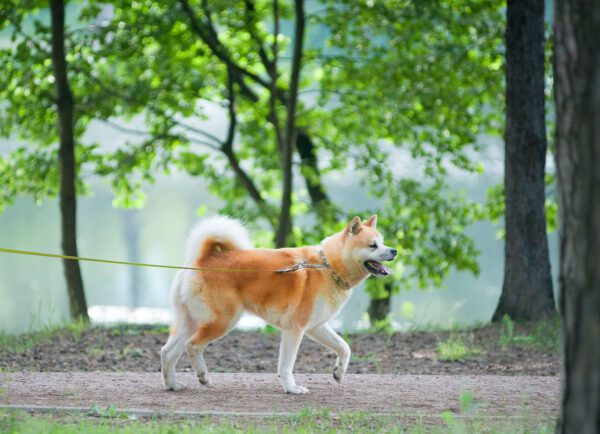
How Should I Train a Akita?The Akita is intelligent, observant, and steady, yet the breed can be independent and strong willed. Short, structured sessions work best. Use high-value rewards, clear cues, and consistent boundaries. Focus early on leash manners, reliable recall in secure areas, calm greetings, and impulse control at doorways and feeding time. Socialize thoughtfully with friendly, well-matched dogs, and avoid chaotic dog parks that can overwhelm or provoke conflict. Prioritize positive reinforcement and keep pressure low. An Akita respects calm leadership and loses interest when training feels harsh or confusing. Build cooperative care by practicing brushing, nail trims, and gentle handling, which supports the thick double coat and routine grooming. If you need step-by-step help, explore Dog Academy’s online training courses, which guide you through foundation skills, problem prevention, and behavior troubleshooting at your pace. |
|
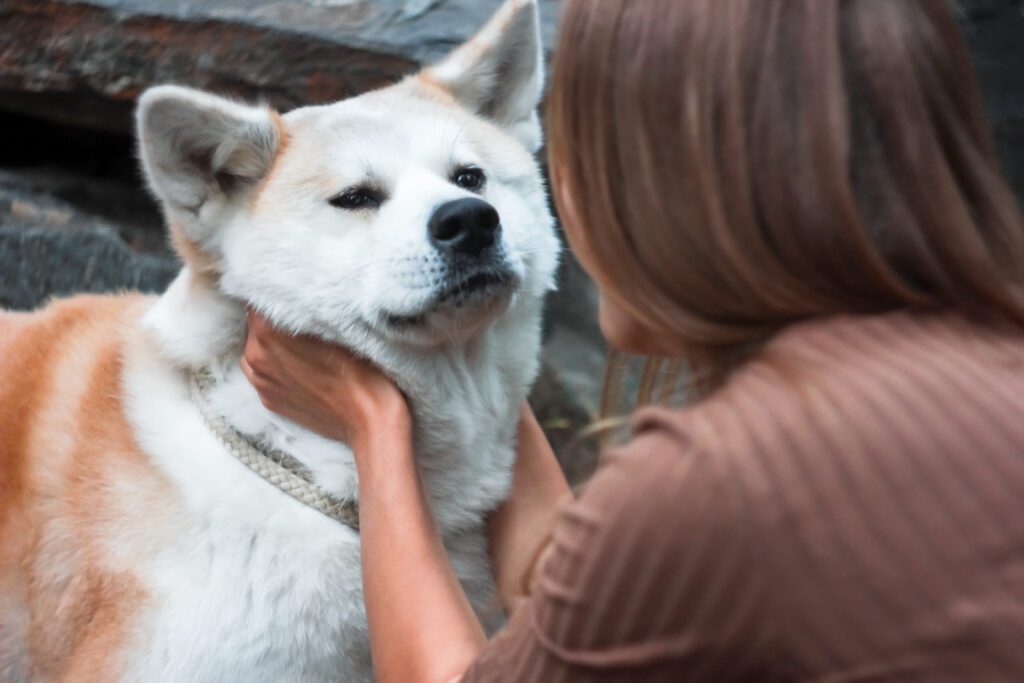
An ideal Akita owner enjoys a quiet home, values daily structure, and stays consistent with training. A secure yard, regular walks, and time for mental enrichment keep this breed balanced. Families with older children and homes that prefer a single dog often find the best fit, though each Akita is an individual.
Prepare your space, gather supplies in advance, and plan time off during the first week for a calm transition. If you plan to adopt a Akita in North Carolina, move patiently, ask detailed questions, and choose the dog whose needs match your lifestyle. The right preparation turns a thoughtful adoption into a lifelong bond.

Introducing a new puppy to your current dog is often an exciting process, and many dogs will become fast friends and eas...
Read More
Rescue dogs can make great companions and can transform your home into something better. These dogs make great pets and ...
Read More
You should never rush to pet a dog. Even dog owners make the mistake of approaching unfamiliar dogs and petting them rig...
Read More
Puppy mill dogs are survivors who have endured extreme hardships in their lives. They have grown up in horrendous, unsan...
Read More
With their wagging tails and comforting presence, adopting a dog can add a unique touch to your life. It’s a heart...
Read More
Older dogs may have a few gray hairs around the edges, but that doesn’t mean they can’t make wonderful companions! T...
Read More