























































































































































































Introducing a new puppy to your current dog is often an exciting process, and many dogs will become fast friends and eas...
Read MoreAdopt Me
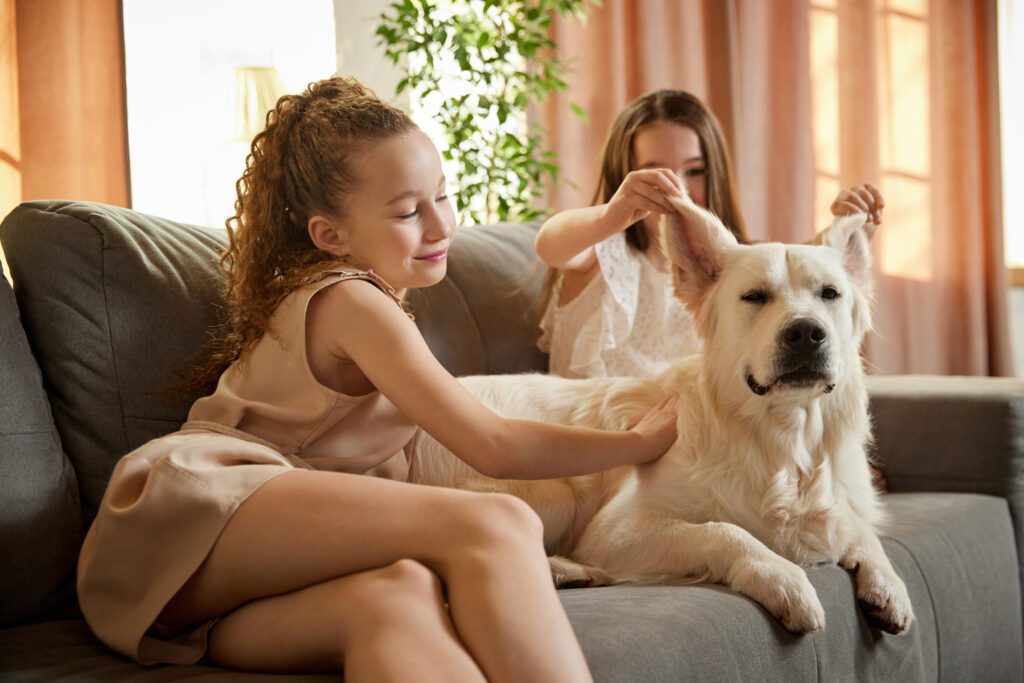
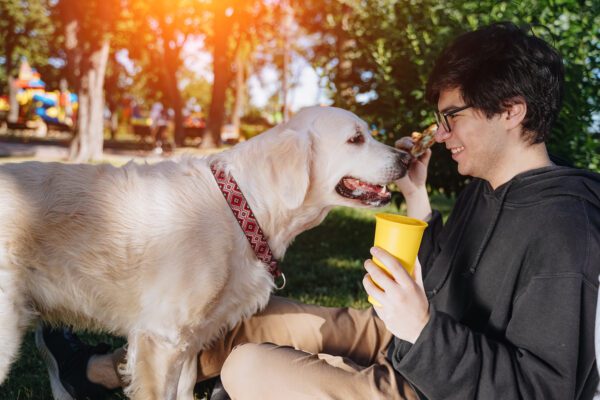
The Akbash is a calm, confident, and deeply loyal livestock guardian that bonds closely with family and watches over home and property with quiet intensity. This large, white-coated breed is thoughtful and independent, and it makes careful decisions rather than rushing into action. An Akbash often feels gentle with children in the household when it receives proper guidance, and it stays reserved with unfamiliar people, which suits families who value a steady protector.
Thoughtful research helps every adopter succeed. An Akbash has unique needs that differ from many companion breeds, and it thrives when its guardian instincts receive appropriate outlets. Adoption gives a dog a second chance and supports the lifesaving work of shelters and rescues. It also often includes essential veterinary care that offers real value compared to buying from a seller.
Alaska’s climate can suit an Akbash because the dense double coat insulates well in snow and subfreezing temperatures. The state’s wide-open spaces, rural properties, and outdoor lifestyles also align with a guardian breed that prefers room to patrol and relax. Alaska can still present challenges. Icy conditions call for traction awareness, wildlife can trigger alert barking, and remote distances can make training and veterinary access harder. A secure yard, a reliable winter exercise plan, and a commitment to socialization help an Akbash thrive in Alaska.
You can skip searching shelters and rescues one by one by using Dog Academy to browse adoption listings in one place. Dog Academy also offers educational guides and adoption checklists that help you prepare your home, evaluate a dog’s needs, and plan the first 30 days after placement.
Adoptable Akbash dogs may appear at local animal shelters, regional rescues, breed-specific rescue groups, and foster-based networks across Alaska and nearby areas. Listings typically include age, size, temperament notes, and any known history. Read each profile carefully to confirm the dog’s energy level, independence, and comfort with other animals match your household.
The process usually starts with browsing listings and submitting an application that includes identification, proof of residence, landlord approval if you rent, and references. Many groups ask about your experience with large breeds, your fencing, your daily schedule, and your plan for training and exercise. After the application, you will schedule a meet-and-greet so every member of your household can interact with the dog in a calm, structured setting. A meet-and-greet with resident pets is often arranged to evaluate compatibility and to discuss safe introductions at home.
Home checks are common for guardian breeds. A home check verifies secure fencing, safe containment, and a quiet rest area for decompression. Groups may use photos, a virtual tour, or an in-person visit. Approval often takes 1 to 3 weeks, and timing can vary with weather, volunteer availability, and the dog’s medical status.
Transport is sometimes arranged by rescues to move dogs between locations when a match is strong but distance is a barrier. Transport can include ground driving relays or flights that require a health certificate, a safe crate, and careful weather planning. Some organizations cover transport, while others ask the adopter to contribute to costs, and all details should be confirmed in writing before travel begins.

|
How Much Does It Cost to Adopt a Akbash in Alaska?Most adopters in Alaska can expect a fee around $250 to $450 for an Akbash. Costs trend toward the higher end when the dog receives more veterinary care or when transport is included. Fees usually cover spaying or neutering, vaccinations, microchipping, and veterinary exams. Age, training, medical care, and demand affect the final cost. Young adults and well-socialized dogs often cost more due to higher demand. Seniors may cost less, though dental work or joint support can add to overall care. A dog that completes basic training or behavior work may carry a higher fee that reflects that investment. Remote transport and the higher cost of supplies in Alaska can also influence pricing. |
How Should I Train a Akbash?The Akbash is intelligent and highly independent, which means it learns quickly yet questions inconsistent guidance. Focus on clear rules, short sessions, and strong rewards. Use positive reinforcement with high-value food, calm praise, and access to what the dog wants, such as a chance to settle on a bed after completing a cue. Avoid harsh corrections because they can damage trust and increase defensiveness. Common challenges include selective recall, boundary testing, alert barking, and sensitivity to unfamiliar dogs. Build a reliable recall with a long line, frequent rewards, and gradual distractions. Teach quiet on cue by reinforcing calm behavior after a single alert. Practice impulse control with sit, down, and stay in real-world contexts like doorways and gates. Socialize thoughtfully with neutral, well-mannered dogs and friendly people, and keep sessions brief to prevent overwhelm. Consistency matters more than intensity for this breed. Alaska winters can limit outdoor practice, so plan daily indoor enrichment. Rotate food puzzles, scent games, and mat training to meet mental needs when sidewalks are icy. For step-by-step support, enroll in Dog Academy’s online training courses, which offer structured lessons for recall, loose-leash walking, calm greetings, and confidence building that you can follow at home. |
|
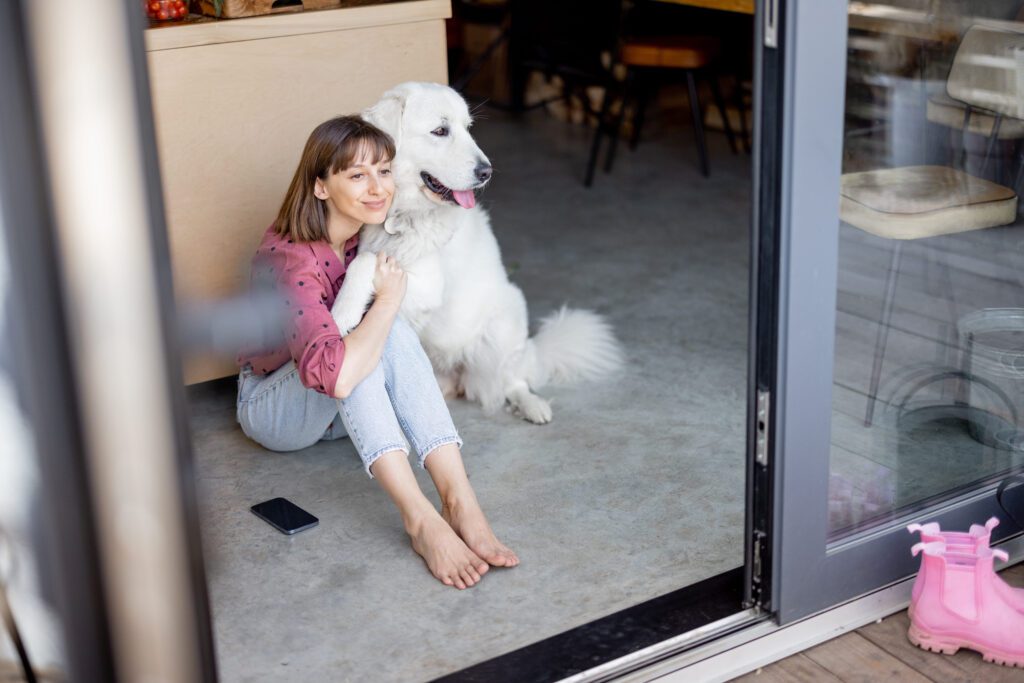
An ideal adopter understands large guardian breeds, maintains a secure yard, and enjoys a calm, outdoor-friendly lifestyle. The best homes provide steady leadership, daily enrichment, and patient socialization while respecting the dog’s thoughtful nature.
Take your time, ask clear questions, and prepare your home before you bring an Akbash home. When you research carefully and plan for Alaska’s climate and distances, you set the stage for a safe transition and a lifelong partnership. Explore listings, speak with adoption counselors, and move at the dog’s pace so you can welcome the right Akbash into your life.

Introducing a new puppy to your current dog is often an exciting process, and many dogs will become fast friends and eas...
Read More
Rescue dogs can make great companions and can transform your home into something better. These dogs make great pets and ...
Read More
You should never rush to pet a dog. Even dog owners make the mistake of approaching unfamiliar dogs and petting them rig...
Read More
Puppy mill dogs are survivors who have endured extreme hardships in their lives. They have grown up in horrendous, unsan...
Read More
With their wagging tails and comforting presence, adopting a dog can add a unique touch to your life. It’s a heart...
Read More
Older dogs may have a few gray hairs around the edges, but that doesn’t mean they can’t make wonderful companions! T...
Read More