



























































































































































































Introducing a new puppy to your current dog is often an exciting process, and many dogs will become fast friends and eas...
Read MoreAdopt Me

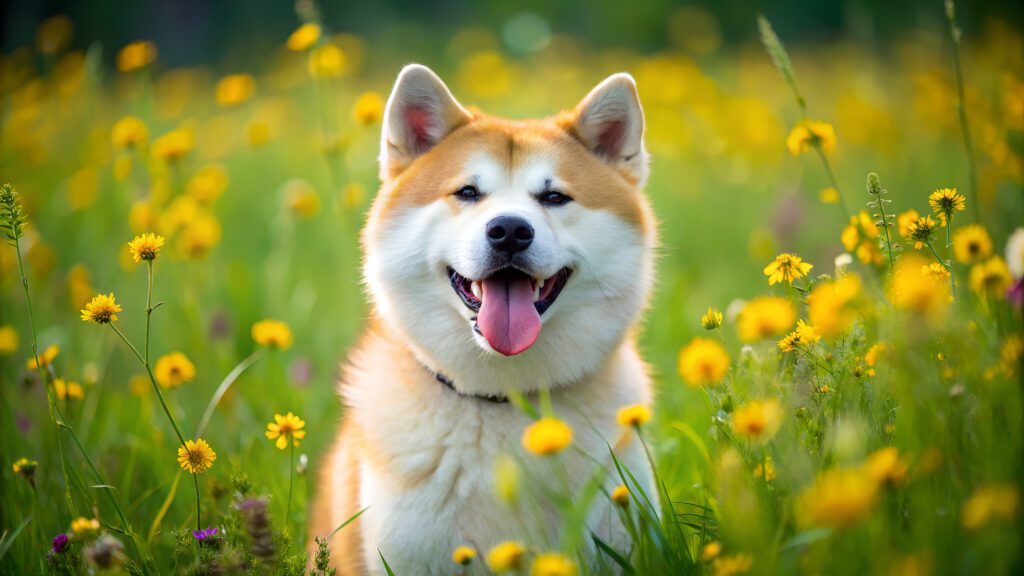

Akitas are loyal, confident, and deeply devoted to their families. The breed is calm in the home, watchful with strangers, and brave when needed. An Akita bonds strongly with a small circle of people and prefers a predictable routine. Careful research helps you match this powerful, independent breed with your lifestyle before you commit.
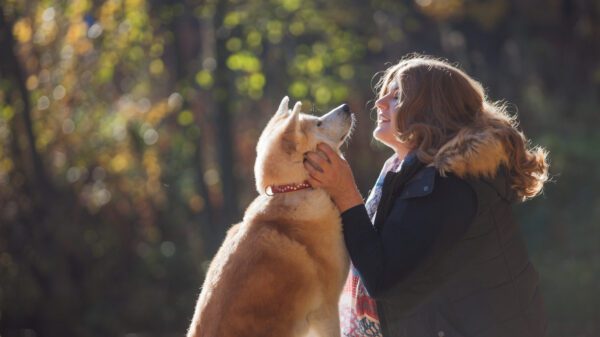
Adoption gives a deserving dog a new start while reducing the demand for commercial breeding. Many Akitas lose homes due to life changes rather than behavior, and rescues often provide foster notes that make matching easier. You gain a companion with known traits, current veterinary care, and support from knowledgeable volunteers. Choosing adoption also helps another dog move into an open kennel.
South Carolina’s hot, humid summers and mild winters shape daily care for an Akita’s dense double coat. This breed tolerates cold weather well but needs shade, air conditioning, and cool resting spots during summer heat. Coastal areas add salt air and sand that call for regular coat maintenance, while Upstate hills and trails offer structured exercise. A secure yard, early walks on hot days, and a calm home routine suit an Akita in the Palmetto State.
You can avoid searching separate rescues and shelters by using Dog Academy to browse current adoption listings in one place. You can filter by location, age, and size, and you can review helpful guides and adoption checklists that explain each step. You can also check local animal shelters, regional rescues, and breed-specific rescue groups that serve South Carolina. If you plan to adopt a Akita in South Carolina, start by learning about the breed’s exercise needs, social preferences, and space requirements.
The process usually begins by browsing listings and reading each dog’s profile to learn about temperament, medical history, and compatibility with children or other pets. You then submit an application that includes personal information, references, and proof of housing stability. Renters are often asked for written landlord approval that confirms pet policies and any breed or size restrictions. Clear and complete answers help reviewers assess your match quickly.
After an application review, coordinators typically schedule a phone interview to discuss expectations and daily routine. A meet-and-greet follows to evaluate chemistry with you and every member of your household. Many groups also require a controlled introduction with resident dogs on neutral ground to check compatibility. A home check can be virtual or in person to confirm secure fencing, safe storage of chemicals, and an appropriate setup for a large guardian breed.
Approval timelines vary by organization and by the number of applications a dog receives. Straightforward applications often receive a decision within 3 to 14 days, while complex matches can take longer. Some groups offer foster-to-adopt trials that let you confirm the fit before finalizing the contract. Transport is sometimes arranged by rescues to move dogs between locations using volunteer drivers or licensed carriers, and the rescue coordinates schedules and health certificates for safe travel.
|
How Much Does It Cost to Adopt a Akita in South Carolina?In South Carolina, Akita adoption fees typically range from $200 to $450 for adults and from $300 to $600 for puppies. Breed-specific rescues often sit at the higher end to offset veterinary care, while municipal shelters may be slightly lower due to local funding. Senior dogs and dogs with special needs are sometimes lower when organizations encourage placements with reduced fees. Fees reflect age, training, medical care, and demand for the breed. Most organizations include spaying or neutering, vaccinations, microchipping, and veterinary exams in the adoption package. Some dogs also receive heartworm testing, preventives, and dental cleanings when needed, which can influence pricing. Verified behavior assessments and basic training can also affect final fees. |
How Should I Train a Akita?Akitas are intelligent and thoughtful, and they learn quickly when the training plan is clear and consistent. The breed values calm leadership, predictable rules, and short sessions that end on a success. Many Akitas show a strong guardian instinct and a low tolerance for pushy dogs, so foundation work should focus on engagement, neutrality in public, and rock-solid obedience around distractions. Positive reinforcement with high-value rewards builds trust and produces reliable responses without conflict. Focus on early socialization, leash skills, impulse control, and cooperative care for grooming. Teach cues like sit, down, stay, leave it, come, and go to place, and practice them in real life around doors, gates, and visitors. Avoid rough play with unfamiliar dogs and skip crowded dog parks to reduce stress and risk. For structured guidance that fits busy schedules, explore Dog Academy’s online training courses that cover puppy foundations, obedience, impulse control, and behavior problem solving. |
|
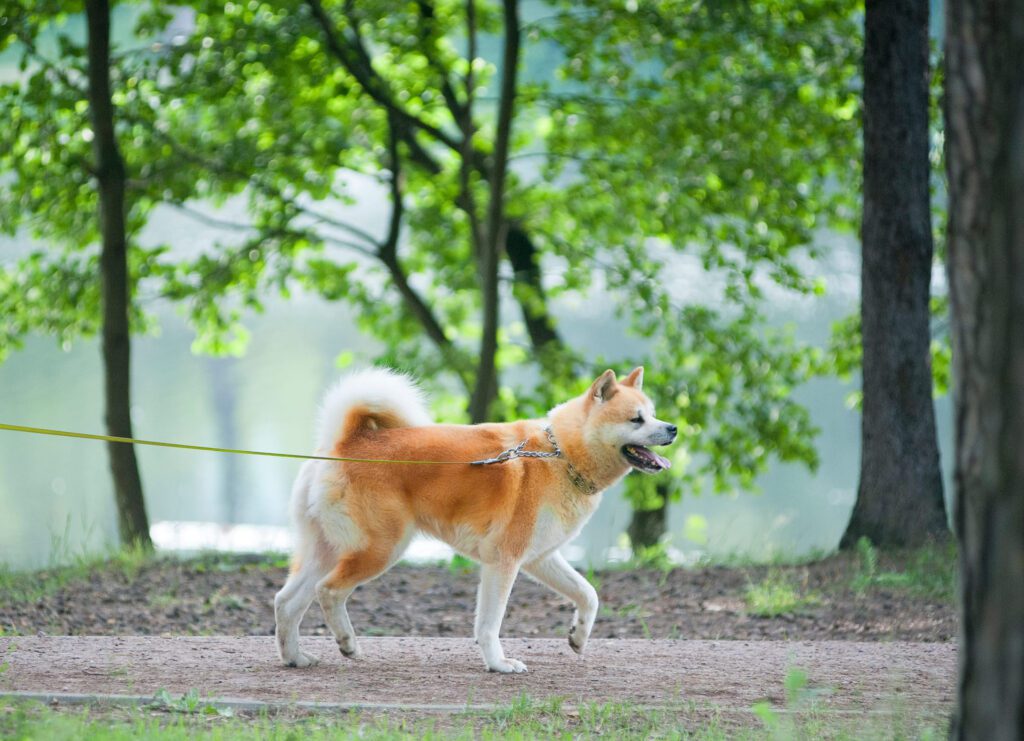
An ideal Akita adopter enjoys a steady routine, provides confident guidance, and maintains secure fencing and thoughtful social choices. Households with older children, limited dog-to-dog expectations, and time for daily training usually see the best results. Consistent exercise and clear rules help this breed relax and thrive.
Preparation sets you and your dog up for success. Take time to research, gather supplies, and align everyone in the home on rules and responsibilities. Move at the dog’s pace, ask detailed questions, and lean on the guidance you find through Dog Academy. A thoughtful approach helps you welcome an Akita that fits your life in South Carolina for years to come.

Introducing a new puppy to your current dog is often an exciting process, and many dogs will become fast friends and eas...
Read More
Rescue dogs can make great companions and can transform your home into something better. These dogs make great pets and ...
Read More
You should never rush to pet a dog. Even dog owners make the mistake of approaching unfamiliar dogs and petting them rig...
Read More
Puppy mill dogs are survivors who have endured extreme hardships in their lives. They have grown up in horrendous, unsan...
Read More
With their wagging tails and comforting presence, adopting a dog can add a unique touch to your life. It’s a heart...
Read More
Older dogs may have a few gray hairs around the edges, but that doesn’t mean they can’t make wonderful companions! T...
Read More