



























































































































































































Introducing a new puppy to your current dog is often an exciting process, and many dogs will become fast friends and eas...
Read MoreAdopt Me

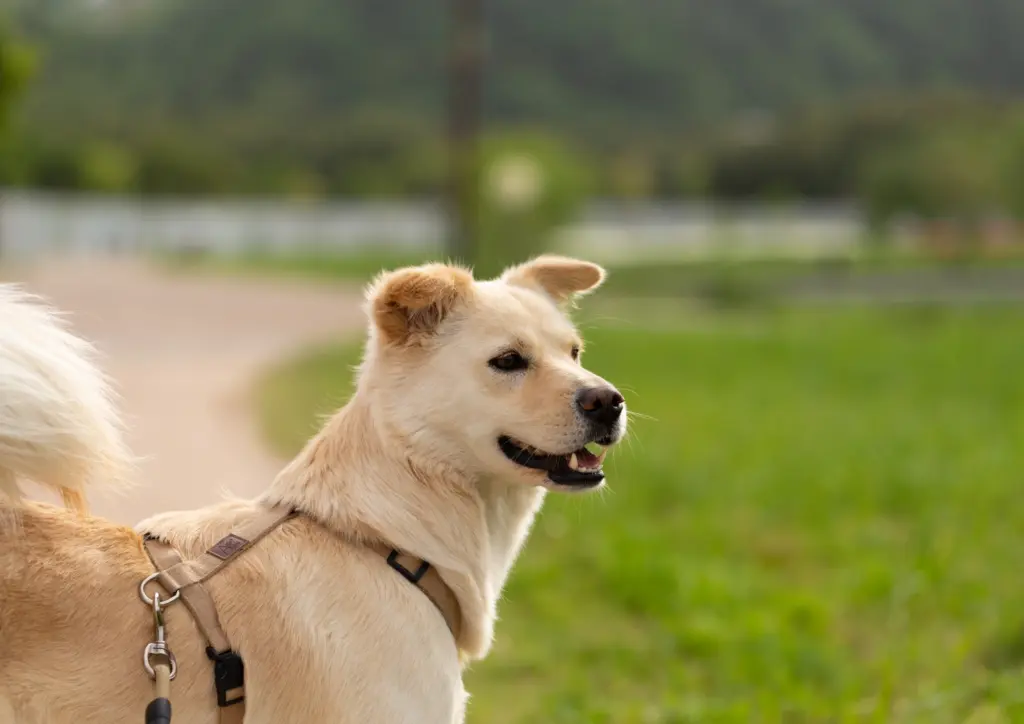


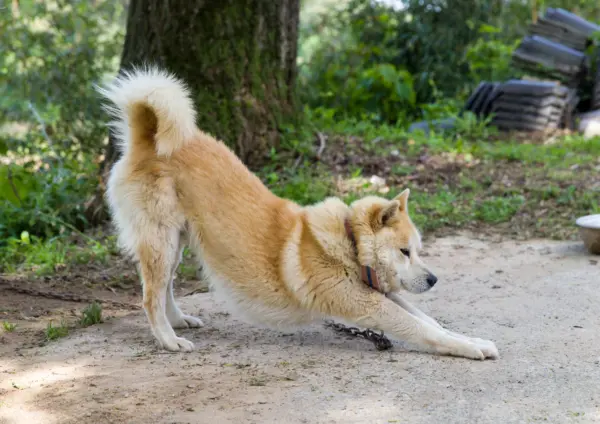
The Korean Jindo is loyal, intelligent, and deeply devoted to family. This breed is known for clean habits, quick learning, and quiet confidence. Jindos can be independent thinkers and cautious with strangers, which makes early socialization and clear guidance important for success.
Thoughtful research before adoption matters because a Jindo’s strong prey drive, escape awareness, and sensitivity to routine shape daily life. Adoption is often the better path because it gives a deserving dog a second chance, and it often includes initial veterinary care and behavior insights that help new owners start strong.
South Carolina’s climate is hot and humid in summer and mild in winter. A Jindo’s double coat insulates well, which means careful heat management is important. Early morning walks, shaded rest, and ample water support comfort and safety. The state’s mix of coastal plains, rolling Piedmont, and foothill trails offers great enrichment, but secure fencing and leashed outings are essential. A Jindo fits best with active households that enjoy daily walks, calm structure, and consistent training.
You can avoid searching rescues and shelters separately by using adoption listings at Dog Academy. You can browse available dogs in one place, filter for location and traits, and streamline your search. Dog Academy also provides educational guides and adoption checklists that explain each step with clarity.
Adoptable Korean Jindos appear through local animal shelters, regional rescues, and breed-specific rescue groups. Availability changes week by week because Jindos are less common than many breeds. Some organizations cover large areas and list dogs from multiple states. When a good match is far away, transport is often arranged by rescues to move dogs between locations with approved drivers, and adopters receive clear pickup instructions and schedules.
The process usually starts with browsing listings and submitting an application that covers your experience, schedule, housing, and fencing. A coordinator reviews your application and checks veterinary references to confirm a stable history of pet care. Many groups schedule a phone or video interview to discuss breed traits, daily routine, and training plans. The goal is to confirm that expectations match the dog’s needs.
Next comes a meet-and-greet to assess chemistry and handling comfort. A home check often follows to verify secure fencing, safe gates, and sensible containment for doors and yards. Approval timelines vary based on volunteer availability and dog-specific needs. Most adopters in South Carolina can expect a decision between 1 and 3 weeks after a complete application. Finalizing the adoption includes signing an agreement, paying the adoption fee, and receiving medical records and transition guidance.
|
How Much Does It Cost to Adopt a Korean Jindo in South Carolina?Most adopters in South Carolina can expect adoption fees for a Korean Jindo to fall between $200 and $450 for adults and between $300 and $550 for puppies. The range is narrow because Jindos are a rarer breed in rescue and require careful screening, which keeps fees consistent across many groups in the region. Fees reflect age, training, medical care, and demand. Puppies and highly social adults usually cost more because demand is higher and early care is intensive. Adoption fees often include spaying or neutering, vaccinations, microchipping, and veterinary exams. Dogs with recent dental work, heartworm treatment, or specialized behavior support may carry higher fees to offset those expenses. Some groups add a small transport charge when moving a dog from another location, and coordinators always explain the service and the final cost before you commit. |
How Should I Train a Korean Jindo?The Korean Jindo is smart, observant, and capable of fast learning when training is consistent and fair. This breed values clear boundaries and calm leadership. Positive reinforcement with food rewards, toys, and praise works best because it builds trust and motivation. Short, focused sessions keep a Jindo engaged and prevent frustration. Common challenges include independence, prey drive, and selective recall. Start leash skills, name recognition, and a strong recall cue early. Socialize in controlled environments that reward polite behavior around people and dogs. A secure yard and reliable obedience reduce the risk of door dashing and chasing wildlife. You can build a strong foundation with Dog Academy’s online training courses, which guide you through impulse control, recall, and calm greetings with step-by-step lessons you can practice at home. |
|
The ideal Jindo adopter enjoys daily exercise, patient training, and a structured home. Preparation matters because routine, management, and early guidance help this thoughtful breed thrive. Take your time, read detailed listings, and ask clear questions about temperament and history. With the right match, you can adopt a Korean Jindo in South Carolina and welcome a loyal, steady companion who fits your life for years to come.

Introducing a new puppy to your current dog is often an exciting process, and many dogs will become fast friends and eas...
Read More
Rescue dogs can make great companions and can transform your home into something better. These dogs make great pets and ...
Read More
You should never rush to pet a dog. Even dog owners make the mistake of approaching unfamiliar dogs and petting them rig...
Read More
Puppy mill dogs are survivors who have endured extreme hardships in their lives. They have grown up in horrendous, unsan...
Read More
With their wagging tails and comforting presence, adopting a dog can add a unique touch to your life. It’s a heart...
Read More
Older dogs may have a few gray hairs around the edges, but that doesn’t mean they can’t make wonderful companions! T...
Read More