























































































































































































Introducing a new puppy to your current dog is often an exciting process, and many dogs will become fast friends and eas...
Read MoreAdopt Me

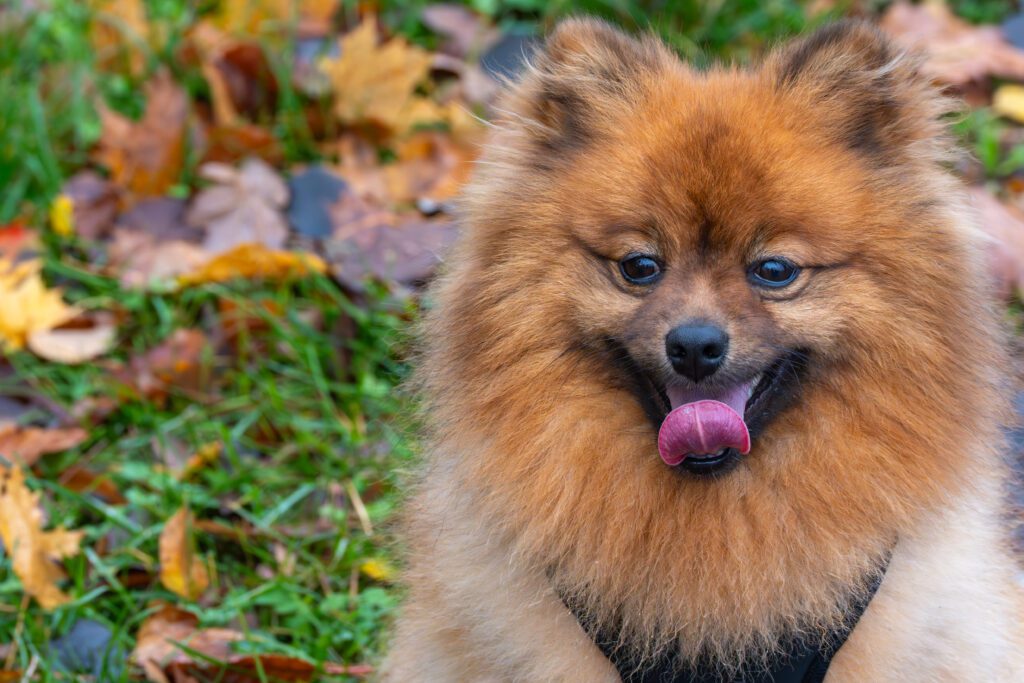


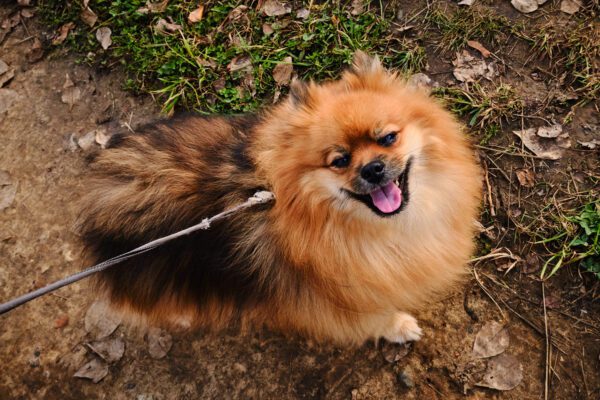
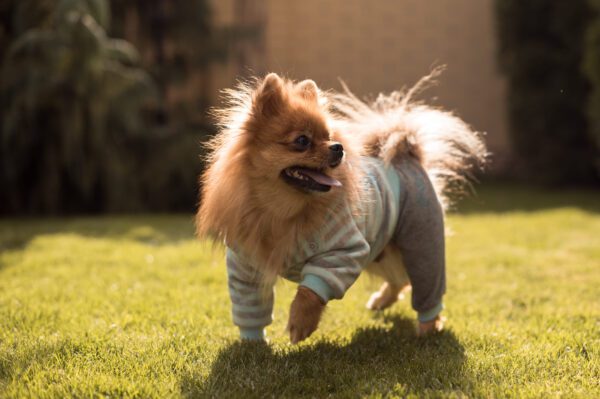
The German Spitz is a cheerful, intelligent, and attentive companion that bonds closely with family. This breed stays playful well into adulthood, enjoys learning new cues, and often makes an enthusiastic watchdog. The thick double coat feels plush and beautiful, and the foxlike expression adds to the breed’s charm.
Good research protects both you and the dog. Understanding energy level, grooming needs, and temperament helps you choose a dog that fits your routine. Adoption is a thoughtful choice because it gives a deserving dog a second chance while also providing transparency about health and behavior from caretakers who know the dog.
South Carolina’s climate brings hot, humid summers and mild winters. A German Spitz can thrive here with care. This breed tolerates cooler weather well but needs extra heat management. Plan shaded walks during early mornings and evenings, plenty of water, and indoor cooling during peak heat. The state’s mix of coastal towns, lake communities, and suburban neighborhoods suits a German Spitz that enjoys short hikes, neighborhood strolls, and play sessions. The breed tends to vocalize, so apartment or townhome living works best with consistent bark training and respectful attention to neighbors.
You can skip searching shelters and rescues one by one by using Dog Academy to browse current adoption listings. Dog Academy also offers educational guides and adoption checklists that help you prepare supplies, ask the right questions, and compare dogs based on energy level, grooming needs, and household fit. You can also check local animal shelters, regional rescues, and breed-specific rescue groups to widen your options.
Start by browsing listings and reading each profile in full. Look for notes about temperament, exercise needs, medical history, and any recommended training. Submit an application that shares your schedule, experience, home setup, and veterinary plans. Many organizations request references, proof of landlord approval when you rent, and confirmation that all household members support the adoption.
After your application is reviewed, you are usually invited to a meet-and-greet. Plan a calm introduction, ask the handler to show how the dog responds to basic cues, and request time to observe the dog’s comfort level. Some groups schedule a home check, which may be virtual or in person, to confirm safe fencing, secure doors, and a quiet rest area. Approval timelines vary, though many applicants receive a decision within 3 to 10 days. Puppies or special medical cases can take 1 to 2 weeks due to extra screening or scheduling.
If the dog is not local, rescues sometimes arrange transport to move dogs between locations when it increases a dog’s chance of placement. Transport is typically coordinated by volunteer drivers or licensed carriers who follow health requirements and travel schedules set by the rescue. You are informed of pickup points, dates, and any fees before you commit.
|
How Much Does It Cost to Adopt a German Spitz in South Carolina?Most adopters in South Carolina can expect a German Spitz adoption fee in the range of $200 to $450. Younger dogs and high-demand small breeds often fall near the top of this range, while seniors and special-needs dogs may be lower. Fees reflect age, training, medical care already provided, and local demand for small companion breeds. Adoption fees usually include spaying or neutering, vaccinations, microchipping, and veterinary exams. In South Carolina, many groups also include heartworm testing and prevention because mosquitoes are common statewide. Dental cleanings for older dogs, treatment for skin or ear issues, and professional grooming can increase costs. Plan for initial supplies such as a crate, bed, bowls, leash and harness, treats, and grooming tools, which often total $150 to $300 depending on quality and size. |
How Should I Train a German Spitz?The German Spitz is bright, observant, and quick to learn, which makes positive reinforcement training very effective. Use a marker word or a click to capture correct behaviors, reward generously with small treats, and keep sessions short at 5 to 10 minutes. Daily practice builds reliability without overwhelming a sensitive or energetic dog. Common challenges include alert barking, independence, and distractibility. Teach foundation skills like name recognition, hand target, sit, down, stay, and leash walking, then add real-life manners such as a go-to-mat cue for door greetings. For barking, teach a quiet cue by marking and rewarding brief pauses, and manage triggers by blocking window views and providing enrichment. Puzzle feeders, nose work, and short training games channel energy into problem-solving and reduce nuisance behavior. Early and careful socialization helps prevent reactivity. Pair new people, sounds, and surfaces with treats and distance that keeps the dog relaxed. Consistent crate training and calm alone-time practice reduce the chance of separation issues. For structured guidance at home, explore Dog Academy’s online training courses, which provide step-by-step lessons for obedience, socialization, and behavior troubleshooting tailored to family life. |

|
The ideal adopter enjoys daily walks, short play sessions, and regular training. You commit to coat care with weekly brushing and seasonal de-shedding, and you are ready to guide bark etiquette with patient practice. A German Spitz thrives with clear routines, kind boundaries, and a home that values interaction.
Take time to learn, prepare your space, and meet more than one dog if needed. When you are ready, browse listings through Dog Academy to compare options, confirm fit, and move forward with confidence. The right match feels natural, and steady preparation sets you and your German Spitz up for a happy life in South Carolina.

Introducing a new puppy to your current dog is often an exciting process, and many dogs will become fast friends and eas...
Read More
Rescue dogs can make great companions and can transform your home into something better. These dogs make great pets and ...
Read More
You should never rush to pet a dog. Even dog owners make the mistake of approaching unfamiliar dogs and petting them rig...
Read More
Puppy mill dogs are survivors who have endured extreme hardships in their lives. They have grown up in horrendous, unsan...
Read More
With their wagging tails and comforting presence, adopting a dog can add a unique touch to your life. It’s a heart...
Read More
Older dogs may have a few gray hairs around the edges, but that doesn’t mean they can’t make wonderful companions! T...
Read More