












































































































































Introducing a new puppy to your current dog is often an exciting process, and many dogs will become fast friends and eas...
Read MoreAdopt Me

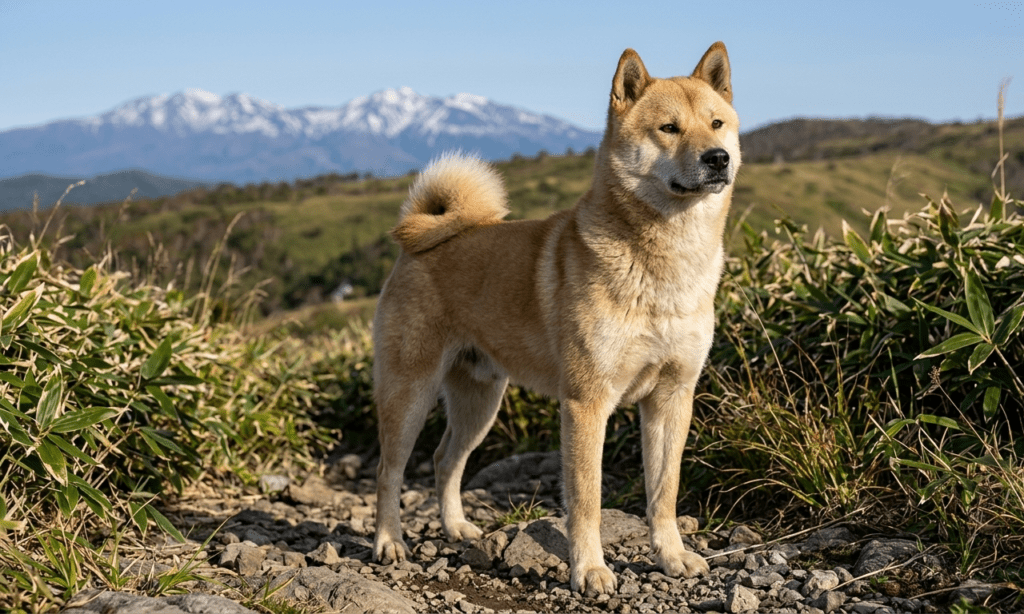
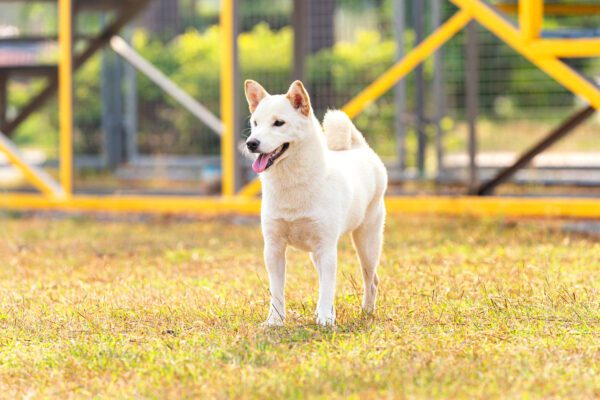
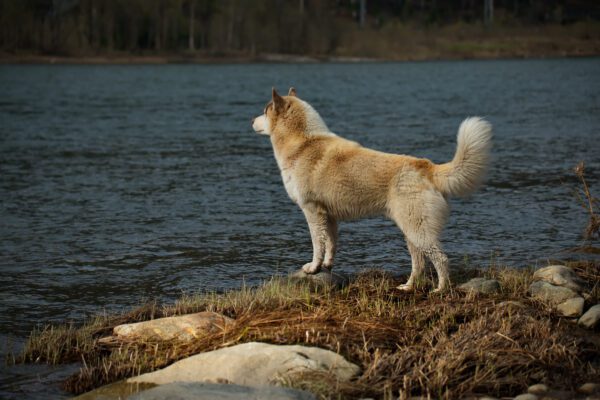
The Hokkaido is a bold and loyal spitz breed that bonds closely with its family. This dog is intelligent, athletic, and alert. A Hokkaido thrives with clear guidance, daily exercise, and meaningful mental work. Careful research before adoption helps you match this thoughtful breed with your schedule, your home, and your goals.
Choosing to adopt gives a deserving dog a second chance and supports responsible animal welfare. Many adoptable Hokkaidos or Hokkaido mixes already receive core veterinary care, which helps you start strong. The breed’s thick double coat sheds heavily during seasonal changes, and the dog’s independent nature can challenge first-time owners. Good preparation turns those challenges into strengths.
South Carolina’s hot and humid summers create a unique challenge for a cold-weather breed. A Hokkaido can live comfortably in South Carolina when you plan exercise for early mornings and late evenings, provide shade and fresh water, and keep the home cool. The state’s beaches, pine forests, and foothill trails offer engaging outings when temperatures allow. A secure yard, tick prevention, and consistent training fit the South Carolina lifestyle and keep a Hokkaido healthy and happy.
You can skip searching rescues and shelters one by one by starting with Dog Academy
The process usually begins by browsing listings and reading each dog’s biography. You then submit an application that confirms household members, landlord approval when required, veterinary references, and plans for exercise and training. After that step, most groups schedule a phone interview to discuss experience and expectations. Meet-and-greets follow in a neutral setting with guidance from an adoption counselor. Introductions with resident pets are paced to support safety and calm behavior. Home checks may be virtual or in person to confirm secure fencing, safe housekeeping, and a suitable routine. Approval timelines in South Carolina often run 7 to 14 days, which depends on reference responses, home check scheduling, and your readiness with supplies.
Some rescues arrange transport to move dogs between locations when that creates the best match. Transport is typically ground-based and follows a planned route with rest stops and safety checks. The group coordinates travel dates, provides health records, and finalizes the adoption at a mutually agreed pickup point. Adopters may be asked to contribute a modest transport fee and to meet at a scheduled time.
Expect adoption fees for a Hokkaido in South Carolina to land between $300 and $550. The range reflects the breed’s rarity, the level of veterinary care provided, and the resources required to place a dog responsibly. Fees are often higher for puppies and well-trained dogs and lower for seniors or special-needs dogs. Most organizations include spaying or neutering, vaccinations, microchipping, and veterinary exams in the fee. Costs can rise when a dog has completed dental care, heartworm treatment, or behavior work, or when demand for the breed is high.
The Hokkaido is bright and capable, yet the breed is also independent and careful with strangers. Training works best when you use positive reinforcement, clear boundaries, and short sessions that end on success. High-value rewards, calm handling, and consistent cues help this thoughtful dog stay engaged.
Focus early on socialization, leash skills, recall on a long line, and impulse control. Teach leave it, settle, and come with clear criteria and frequent rewards. Provide daily mental work through scent games, puzzle feeders, and controlled exploration. Manage prey drive with reliable obedience and secure fencing. Pair exercise with heat-aware scheduling, and build rest periods in cool spaces. For step-by-step guidance tailored to real life, explore Dog Academy’s online training courses, which cover foundation manners, leash skills, and enrichment that fits an active Hokkaido.
The ideal Hokkaido adopter is active, patient, and consistent. A secure yard, a cooling plan for summer, and time for daily training set the dog up for success. Gather supplies, line up a veterinarian, and map out a schedule before you bring your new companion home. Take your time, ask questions, and meet more than one dog if needed. With careful research and steady preparation, you can adopt a Hokkaido in South Carolina and build a rewarding partnership that lasts.
|
How Much Does It Cost to Adopt a Hokkaido in South Carolina?Expect adoption fees for a Hokkaido in South Carolina to land between $300 and $550. The range reflects the breed’s rarity, the level of veterinary care provided, and the resources required to place a dog responsibly. Fees are often higher for puppies and well-trained dogs and lower for seniors or special-needs dogs. Most organizations include spaying or neutering, vaccinations, microchipping, and veterinary exams in the fee. Costs can rise when a dog has completed dental care, heartworm treatment, or behavior work, or when demand for the breed is high. |
How Should I Train a Hokkaido?The Hokkaido is bright and capable, yet the breed is also independent and careful with strangers. Training works best when you use positive reinforcement, clear boundaries, and short sessions that end on success. High-value rewards, calm handling, and consistent cues help this thoughtful dog stay engaged. Focus early on socialization, leash skills, recall on a long line, and impulse control. Teach leave it, settle, and come with clear criteria and frequent rewards. Provide daily mental work through scent games, puzzle feeders, and controlled exploration. Manage prey drive with reliable obedience and secure fencing. Pair exercise with heat-aware scheduling, and build rest periods in cool spaces. For step-by-step guidance tailored to real life, explore Dog Academy’s online training courses, which cover foundation manners, leash skills, and enrichment that fits an active Hokkaido. |

|
The ideal Hokkaido adopter is active, patient, and consistent. A secure yard, a cooling plan for summer, and time for daily training set the dog up for success. Gather supplies, line up a veterinarian, and map out a schedule before you bring your new companion home. Take your time, ask questions, and meet more than one dog if needed. With careful research and steady preparation, you can adopt a Hokkaido in South Carolina and build a rewarding partnership that lasts.
Introducing a new puppy to your current dog is often an exciting process, and many dogs will become fast friends and eas...
Read More
Rescue dogs can make great companions and can transform your home into something better. These dogs make great pets and ...
Read More
You should never rush to pet a dog. Even dog owners make the mistake of approaching unfamiliar dogs and petting them rig...
Read More
Puppy mill dogs are survivors who have endured extreme hardships in their lives. They have grown up in horrendous, unsan...
Read More
With their wagging tails and comforting presence, adopting a dog can add a unique touch to your life. It’s a heart...
Read More
Older dogs may have a few gray hairs around the edges, but that doesn’t mean they can’t make wonderful companions! T...
Read More