



























































































































































































Introducing a new puppy to your current dog is often an exciting process, and many dogs will become fast friends and eas...
Read MoreAdopt Me

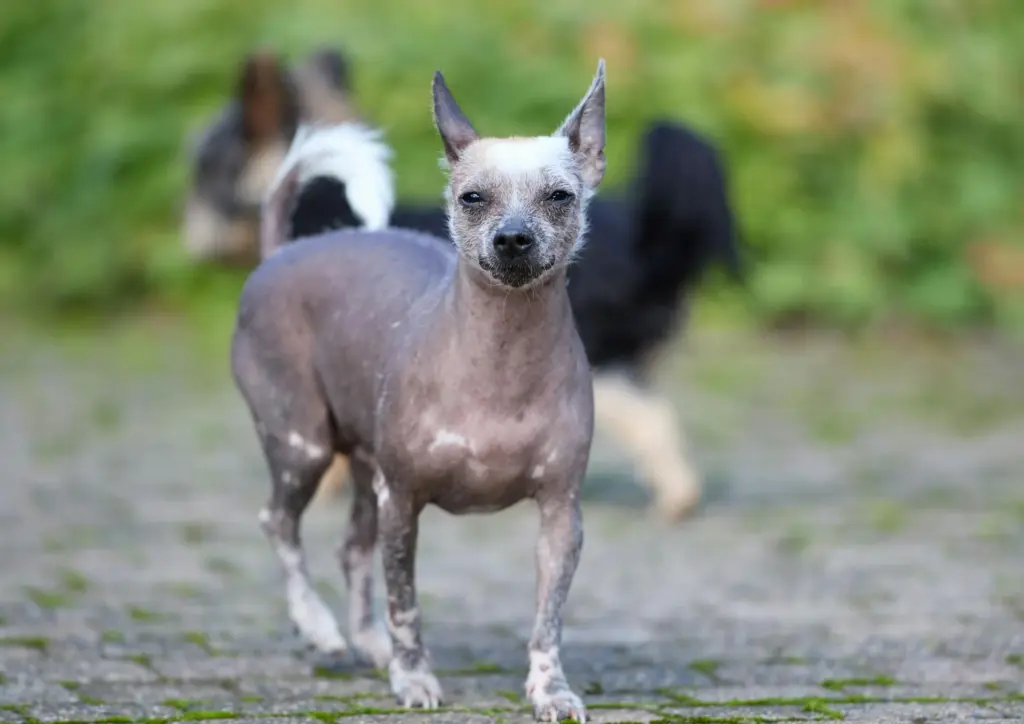


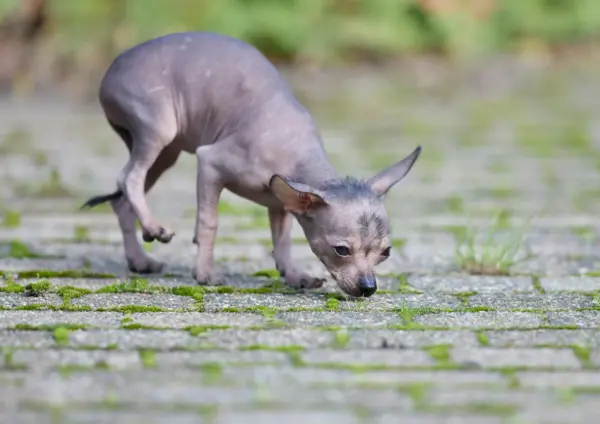
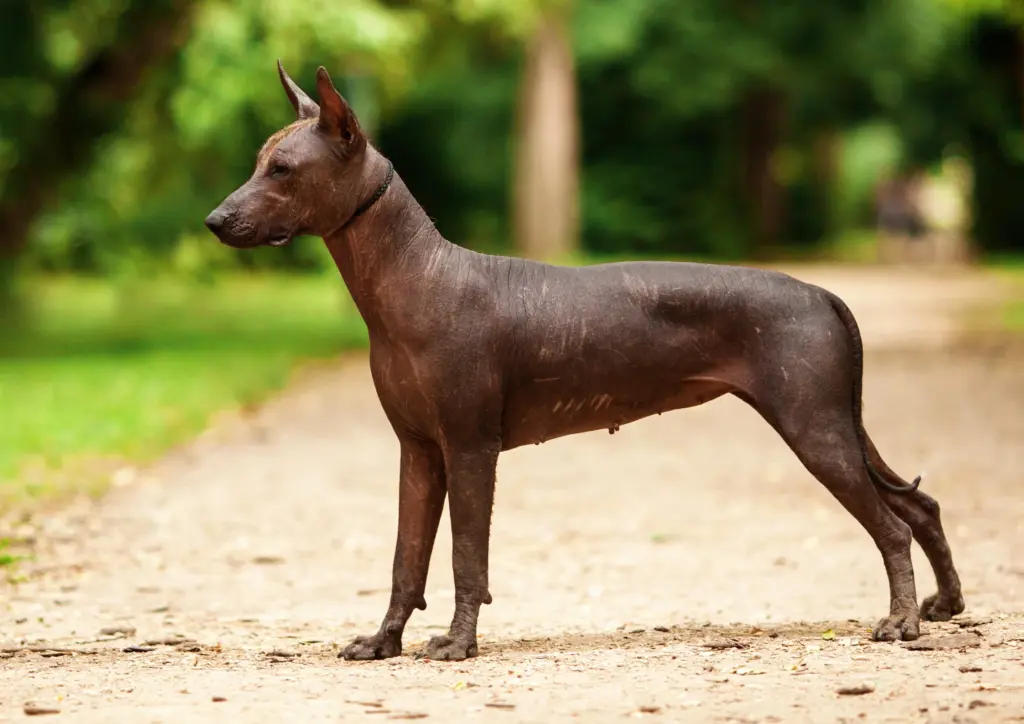
The Xoloitzcuintli is a loyal, intelligent, and deeply devoted companion. Many Xolos form a strong bond with one person, though they thrive with the whole family when they feel safe and understood. They are alert and clean, and they enjoy calm routines with regular mental enrichment. Careful research before adoption helps you match this unique breed to your lifestyle, especially if you are new to hairless or low-shedding dogs.
Adoption is a meaningful choice because it gives a dog a second chance while supporting ethical animal welfare. Adopting a Xoloitzcuintli in South Carolina can be a great fit when you plan for the state’s climate and geography. Summers are hot and humid along the coast and through the Midlands, which means the hairless variety needs sun protection and cool, shaded rest. Winters are generally mild, though Upstate mornings can be chilly, so hairless dogs need warmth and a draft-free sleeping area. Urban residents can succeed with daily walks and indoor enrichment, and suburban or rural homes can offer secure yards for exploring under supervision.
Skin care and temperature management matter for this breed. The hairless variety benefits from gentle bathing on a set schedule and limited midday sun. The coated variety still needs routine grooming, though it is low shedding. Both varieties enjoy short adventures, puzzle toys, and consistent training. With planning and patience, a Xolo can thrive in South Carolina.
You can avoid searching for shelters and rescues separately by using Dog Academy. You can browse current Xoloitzcuintli listings, set alerts, and use educational guides and adoption checklists to prepare. You can also expand your search to local animal shelters, regional rescues, and breed-specific rescue groups, which often list dogs from across the Southeast.
Start by browsing listings and reading each dog’s profile in full. Profiles often explain age, temperament, medical history, and the type of home that will help the dog succeed. When you find a good match, complete the rescue or shelter application. Applications usually request identification, landlord approval if you rent, and personal references. Many groups ask about your daily schedule, training plans, and prior dog experience to ensure a safe and lasting placement.
After an application review, most organizations schedule a meet-and-greet. The meeting helps you confirm fit and discuss any behavior or medical needs. A home check may follow, which can be virtual or in person. Home checks verify basic safety such as secure fencing, safe storage of chemicals, and a clean, quiet place for rest. Approval timelines often run 1 to 3 weeks, and they can vary based on volunteer availability, your responsiveness, and the dog’s readiness to go home.
Some rescues arrange transport to move dogs between locations when a strong adopter match is found. Transport is often coordinated through ground networks with scheduled handoffs, and reputable groups follow health and safety protocols during travel. You can ask how transport works, what the schedule looks like, and whether a health certificate is included.
|
How Much Does It Cost to Adopt a Xoloitzcuintli in South Carolina?Most adopters in South Carolina can expect to pay about $250 to $600 to adopt a Xoloitzcuintli. Fees vary with age, training, medical care, and local demand. Puppies and highly social adults tend to cost more, while seniors and dogs with ongoing medical needs may cost less. In the Southeast, treatment for conditions like heartworm can raise fees because it increases veterinary costs and recovery time. Adoption fees usually include spaying or neutering, vaccinations, microchipping, and veterinary exams. Some groups also include deworming, heartworm testing, and a starter supply of preventatives. Ask for an itemized list so you understand what is covered and what follow-up care you should plan. |
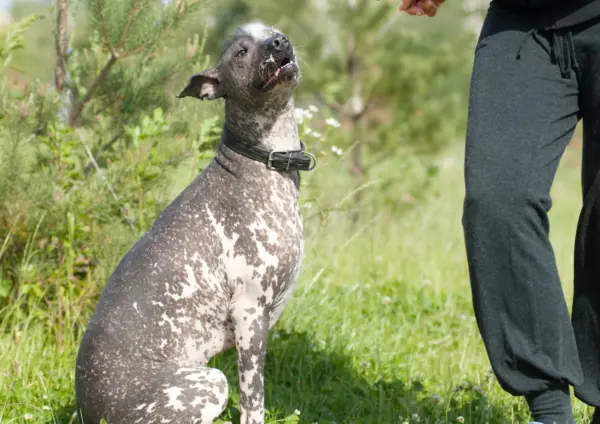
How Should I Train a Xoloitzcuintli?The Xoloitzcuintli is highly intelligent and sensitive, which makes the breed very trainable with the right approach. Positive reinforcement works best. Use food rewards, toys, and praise to mark correct choices. Keep sessions short and frequent to match the breed’s focus. Clear routines help a Xolo relax, and predictable cues reduce anxiety in new situations. Socialization matters because many Xolos are naturally reserved with strangers. Introduce new people, places, and sounds at a comfortable pace. Teach calm greetings, loose-leash walking, and impulse control with gradual difficulty. Practice alone-time training to prevent separation stress, and offer safe chew items for relaxation. Avoid harsh corrections because this breed can shut down under pressure. You can follow step-by-step guidance through Dog Academy’s online training courses, which explain foundation skills, socialization plans, and enrichment ideas for sensitive and smart breeds. |
|
The ideal South Carolina adopter enjoys daily walks, indoor enrichment, and a calm household routine. A great match is someone who will manage sun exposure in summer, provide warmth on cold mornings, and keep up with simple skin care. Apartments and houses can both work when exercise, training, and temperature control are consistent.
Preparation leads to a smooth transition. Gather supplies in advance, schedule a first veterinary visit, and set clear house rules before your new dog arrives. Take your time, ask questions, and use trusted resources as you move through the process. When you adopt a Xoloitzcuintli in South Carolina with care and patience, you give a remarkable dog the stable, loving home it deserves.

Introducing a new puppy to your current dog is often an exciting process, and many dogs will become fast friends and eas...
Read More
Rescue dogs can make great companions and can transform your home into something better. These dogs make great pets and ...
Read More
You should never rush to pet a dog. Even dog owners make the mistake of approaching unfamiliar dogs and petting them rig...
Read More
Puppy mill dogs are survivors who have endured extreme hardships in their lives. They have grown up in horrendous, unsan...
Read More
With their wagging tails and comforting presence, adopting a dog can add a unique touch to your life. It’s a heart...
Read More
Older dogs may have a few gray hairs around the edges, but that doesn’t mean they can’t make wonderful companions! T...
Read More