



























































































































































































Introducing a new puppy to your current dog is often an exciting process, and many dogs will become fast friends and eas...
Read MoreAdopt Me

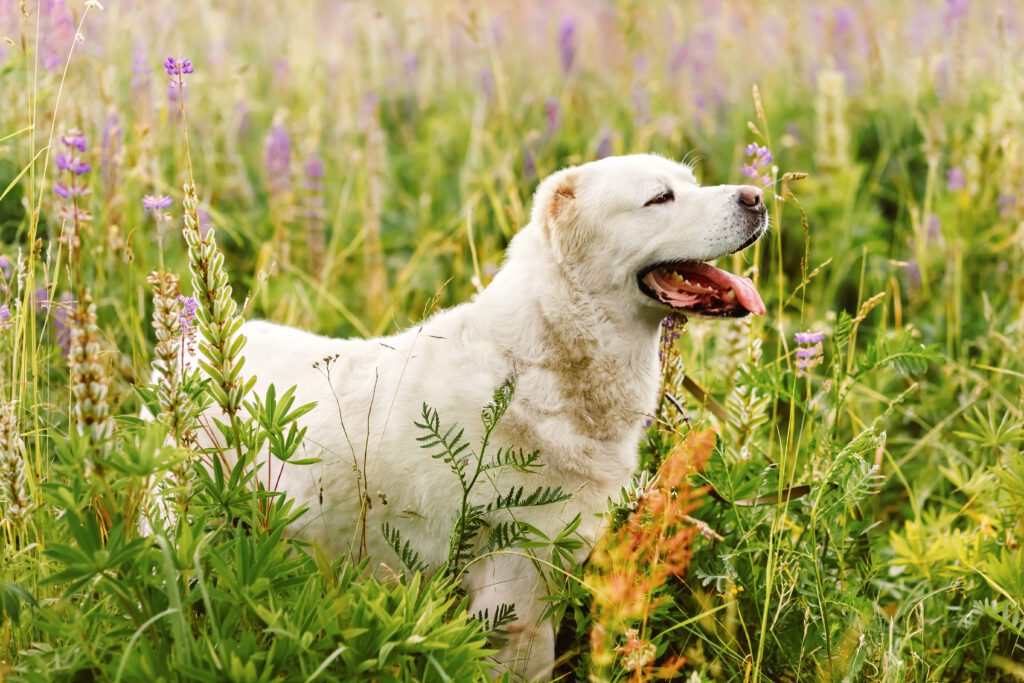
The Akbash is a calm, watchful, and deeply loyal livestock guardian that bonds strongly with family and property. This breed is independent and thoughtful, which makes the Akbash an impressive protector and a steady companion for people who appreciate a confident, low-drama dog. Careful research before adoption matters because the traits that make the Akbash an excellent guardian can feel challenging in a busy neighborhood or a home without clear routines.
Adoption is a smart path because it gives a dog a second chance, supports animal welfare, and often includes essential veterinary care at a lower cost than buying. The Akbash can thrive in South Carolina when owners plan for heat and humidity, provide shade and cool rest areas, and schedule exercise during mornings or evenings. The breed’s dense coat insulates against heat and cold, but the dog still needs ample water, airflow, and indoor cooling during peak summer. Grooming to remove loose undercoat helps the dog stay comfortable.
South Carolina’s mix of rural farmland, coastal plains, and suburban communities can suit an Akbash that has space, sturdy fencing, and a job to do. The breed prefers a secure yard and clear boundaries. Hikers and homeowners with acreage, hobby farms, or small homesteads often find this dog an ideal fit. City living is possible with diligent training, strict management, and an understanding that the Akbash may vocalize when it detects activity near the property line.
You can avoid searching shelters and rescues one by one by starting with Dog Academy, where you can browse adoption listings, learn about each dog’s traits, and use helpful checklists that prepare your home and routine. Once you find a potential match, you can contact the listing organization through the details provided in the posting.
In South Carolina, adoptable Akbash dogs appear through local animal shelters, regional rescues, and breed-specific rescue groups that focus on livestock guardian breeds. Availability changes week to week. If you do not see a match nearby, many rescues accept applications from neighboring states and coordinate transport when possible. Transport is often arranged by rescues to move dogs between locations using volunteer drivers or professional services, and the organization usually explains timing, costs, and pickup procedures before approval.
The process starts by browsing listings, then submitting an application that covers your experience, lifestyle, fencing, and veterinary history. Most groups request references and landlord approval when you rent. After your application is reviewed, you move to a phone interview to discuss the dog’s needs and your plans for training and management. Some organizations schedule a virtual or in-person home check to confirm secure fencing and safe containment.
Next comes a meet-and-greet so everyone can assess fit. If you have other pets, the group may require a slow introduction on neutral ground. Many organizations finalize adoption within 1 to 3 weeks, though timelines can extend if you need a home check, if transport is required, or if you request a trial period such as foster-to-adopt. Clear communication with the organization helps you understand next steps and prepare your home for a smooth transition.
|
How Much Does It Cost to Adopt a Akbash in South Carolina?Most adopters in South Carolina pay about $200 to $450 to adopt an Akbash. Fees tend to be lower at municipal shelters and higher at breed-focused rescues that invest more in medical care and training. Puppies, dogs with recent veterinary work, and well-mannered adults with proven livestock experience usually sit at the higher end of the range. Fees reflect real expenses that prepare the dog for your home. Typical inclusions are spaying or neutering, vaccinations, microchipping, and veterinary exams. Costs also rise with extra services such as heartworm treatment, dental care, or training support. Age, medical history, behavior, demand for the breed, and whether transport is arranged can all influence the final fee. |
How Should I Train a Akbash?The Akbash is intelligent, steady, and independent, which means the dog learns quickly but values clear purpose and consistent boundaries. Positive reinforcement builds trust, while calm, confident handling prevents conflict. Short, focused sessions work best. Reward quiet check-ins, reliable recalls, and polite greeting routines. Avoid harsh corrections that damage confidence, and instead redirect unwanted behavior to a compatible task. Early socialization with people, livestock, and well-mannered dogs helps the Akbash separate true threats from normal activity. Teach a rock-solid recall, a place cue for relaxing during deliveries, and a quiet cue to manage alarm barking at night. Provide daily mental work through scent games, structured walks, and boundary training around fences and gates. If you want extra guidance, explore Dog Academy’s online training courses, which cover foundation skills, impulse control, and real-world manners tailored for guardian-minded breeds. |
|
The ideal adopter enjoys a thoughtful, low-drama companion and maintains clear routines. A secure yard, patient training, and time for exercise and enrichment set an Akbash up for success. Families with acreage or a quiet neighborhood often see the best fit, though committed owners in busier areas can succeed with structure and steady practice.
Prepare your home, gather supplies, and plan a calm first week so your new dog can settle. Take your time as you review listings, ask detailed questions, and verify support after adoption. With informed preparation and a careful match, you can adopt an Akbash in South Carolina and build a rewarding partnership that lasts for years.

Introducing a new puppy to your current dog is often an exciting process, and many dogs will become fast friends and eas...
Read More
Rescue dogs can make great companions and can transform your home into something better. These dogs make great pets and ...
Read More
You should never rush to pet a dog. Even dog owners make the mistake of approaching unfamiliar dogs and petting them rig...
Read More
Puppy mill dogs are survivors who have endured extreme hardships in their lives. They have grown up in horrendous, unsan...
Read More
With their wagging tails and comforting presence, adopting a dog can add a unique touch to your life. It’s a heart...
Read More
Older dogs may have a few gray hairs around the edges, but that doesn’t mean they can’t make wonderful companions! T...
Read More