



























































































































































































Introducing a new puppy to your current dog is often an exciting process, and many dogs will become fast friends and eas...
Read MoreAdopt Me

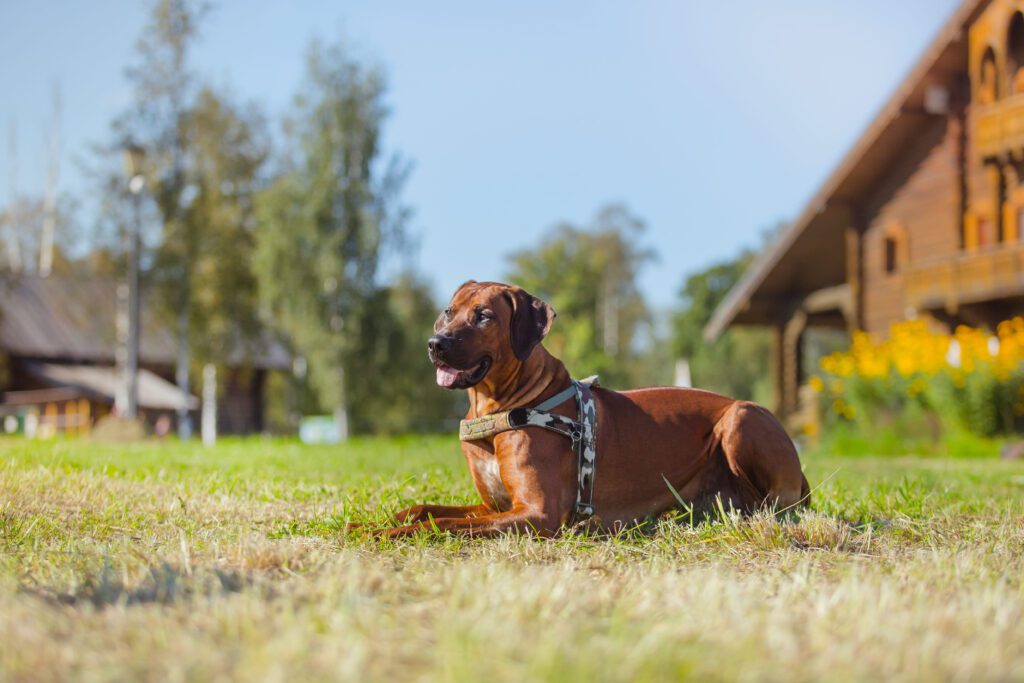



The Rhodesian Ridgeback is athletic, loyal, and calm in the home. This breed bonds deeply with its people and watches over family with quiet confidence. Many adopters love the combination of dignified temperament and gentle affection. A Ridgeback thrives when it has structure, clear boundaries, and daily activity.
Research matters before you bring this powerful dog home. Adoption is preferable to buying because it saves a life and supports responsible animal welfare. Understanding exercise needs, training goals, and space requirements helps you match with the right individual. Preparation sets you up for success on day one.
South Carolina’s warm and humid climate suits a short-coated dog, but heat management is essential. Plan early morning and evening walks during summer and provide shade and fresh water at all times. Coastal sand and marsh can hide burrs and insects, so do regular paw checks and tick prevention. The upstate offers rolling foothills and forested trails that make great outlets for long hikes. Active households fit this breed well. Apartment living can work with committed daily exercise and calm indoor routines.
You can avoid searching rescues and shelters one by one by using Dog Academy. The listings gather Rhodesian Ridgebacks and Ridgeback mixes from local animal shelters, regional rescues, and breed-specific rescue groups across the state. Dog Academy also provides educational guides and adoption checklists that help you prepare your home, budget, and schedule.
Start by browsing profiles and reading details about age, size, temperament, and medical status. Many listings note if a dog prefers a fenced yard, older children, or a home without cats. Ask questions early so you understand energy level, house training progress, and any behavior notes.
Next, complete an application. Most groups ask for identification, personal references, and a veterinary reference if you have current or past pets. Renters usually need landlord or property approval, and some communities ask for proof of breed or weight allowances. Some groups may request photos of your yard and living areas. Approval timelines often range from 3 to 10 days, though puppies and high-demand dogs can take 1 to 3 weeks due to higher interest and extra screening.
After approval, you schedule a meet-and-greet. Staff or volunteers supervise introductions and guide dog-to-dog meetings if you have resident pets. Many groups complete a home check, which may be a virtual video tour or a brief in-person visit, to confirm safety and readiness. When everyone agrees it is a match, you sign an adoption contract, pay the fee, and receive records along with next-step care instructions.
Some rescues arrange transport between locations when a dog is fostered in a different area. Transport is often organized by volunteers or professional drivers who move dogs in secure crates along planned routes. Transport fees typically cover fuel and required health certificates. Pickups usually occur at safe public meet points, and schedules are shared in advance so adopters can plan arrival day.

|
How Much Does It Cost to Adopt a Rhodesian Ridgeback in South Carolina?Most adopters in South Carolina pay $300 to $500 to adopt a Rhodesian Ridgeback or Ridgeback mix. Puppies and highly social young adults usually fall near $450 to $500. Mature adults and seniors often land near $300 to $400. Age, training history, recent medical care, and local demand can shift a fee toward either end of this range. Adoption fees typically cover spaying or neutering, vaccinations, microchipping, and veterinary exams. Fees may also reflect heartworm testing or treatment, parasite prevention, and behavioral support provided in foster care. A dog that arrives already crate trained or leash trained can be priced at the upper end since training increases adoptability and reduces your setup time. |
How Should I Train a Rhodesian Ridgeback?Rhodesian Ridgebacks are intelligent and thoughtful learners. They respond best to clear rules, consistent routines, and rewards they value. Independence and a strong prey drive can create challenges with recall and leash manners, which means training must start early and continue daily. Harsh methods can shut down a sensitive dog and damage trust, while positive reinforcement builds confidence and reliability. Focus first on calm leash walking, a rock-solid recall on a long line, and impulse control around doors, food, and small animals. Short sessions work best, and high-value rewards keep attention in distracting environments. Add crate training, place training, and structured socialization with stable dogs and friendly people. For step-by-step guidance you can follow at home, explore Dog Academy’s online training courses. These lessons show you how to teach foundation skills, address pulling and jumping, and build reliable focus in real-world settings. |

|
The ideal adopter enjoys daily exercise, uses kind structure, and feels comfortable guiding a large, strong dog. A secure yard or a reliable plan for long walks and hikes will help meet this breed’s needs. Families that value consistency and calm leadership tend to see the best results.
Take time to research, prepare your home, and choose a dog whose energy and temperament match your lifestyle. When you are ready to adopt a Rhodesian Ridgeback in South Carolina, start with clear goals, ask thoughtful questions, and use trusted resources. With patience and planning, you will find a loyal companion who thrives by your side for years to come.

Introducing a new puppy to your current dog is often an exciting process, and many dogs will become fast friends and eas...
Read More
Rescue dogs can make great companions and can transform your home into something better. These dogs make great pets and ...
Read More
You should never rush to pet a dog. Even dog owners make the mistake of approaching unfamiliar dogs and petting them rig...
Read More
Puppy mill dogs are survivors who have endured extreme hardships in their lives. They have grown up in horrendous, unsan...
Read More
With their wagging tails and comforting presence, adopting a dog can add a unique touch to your life. It’s a heart...
Read More
Older dogs may have a few gray hairs around the edges, but that doesn’t mean they can’t make wonderful companions! T...
Read More