
























































































































































Introducing a new puppy to your current dog is often an exciting process, and many dogs will become fast friends and eas...
Read MoreAdopt Me

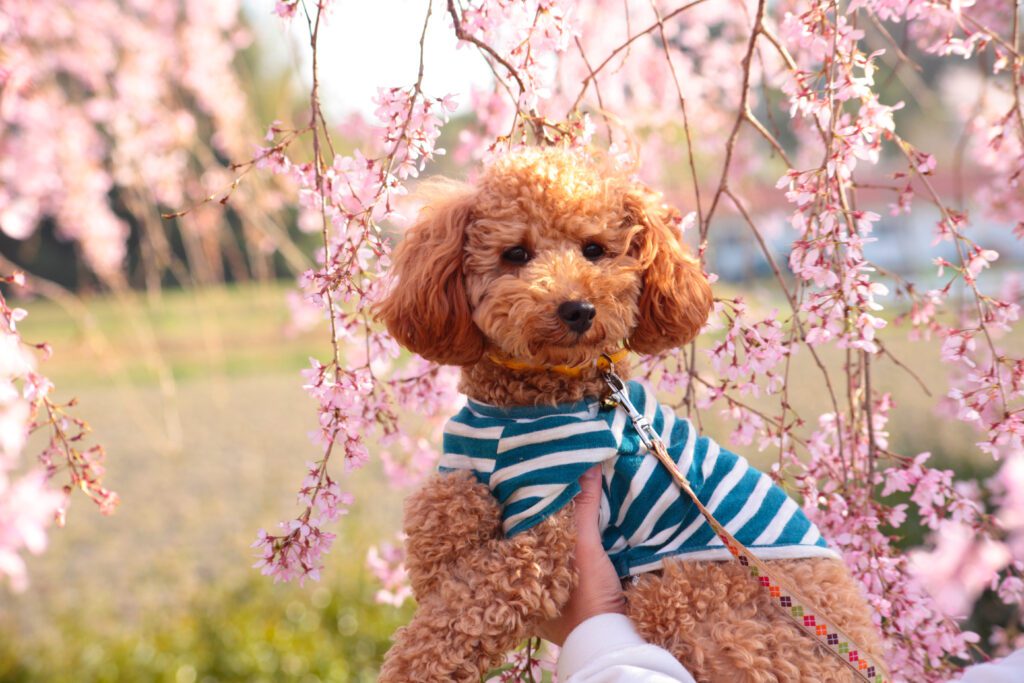


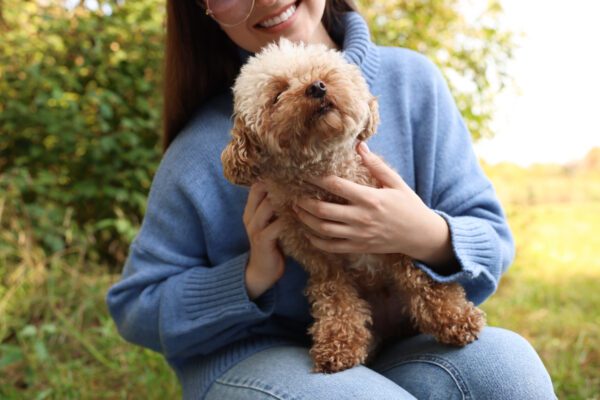
The Bichon Poodle, also called the Poochon or Bichpoo, blends the cheerful charm of the Bichon Frise with the keen intelligence of the Poodle. This small companion is affectionate, social, and typically low shedding, which makes the breed a strong match for families, seniors, and first-time adopters. The coat is plush and curly, so regular grooming is essential to keep the dog comfortable and mat free. Consistent exercise, gentle handling, and daily mental enrichment help this bright dog thrive.
Before you adopt a Bichon Poodle in Massachusetts, take time to study the breed’s needs and match them to your schedule and budget. Adoption gives a dog a second chance and it directs resources to animal welfare, which often makes it more responsible than buying. Massachusetts offers many benefits for this small, adaptable breed. The dog fits well in apartment living in cities and enjoys quiet suburban streets. Cold winters call for a warm sweater and short outdoor sessions, while humid summers require frequent brushing and coat care to prevent matting. Coastal salt and sand can irritate paws, so quick rinses and regular paw checks are helpful after beachside walks.
You can avoid searching shelters and rescues one by one by using Dog Academy to browse adoptable Bichon Poodles in one place. Dog Academy also provides educational guides and adoption checklists that explain paperwork, home preparation, and first-week routines. You can still explore local animal shelters, regional rescues, and breed-specific rescue groups, but a centralized listing helps you compare dogs quickly and stay organized.
Start by browsing listings and reading each profile in full. Confirm energy level, age, grooming tolerance, and any notes about children or other pets. When you find a good match, complete the adoption application with accurate details about your home, schedule, and prior dog experience. Most groups request identification, landlord approval if you rent, and personal references. Clear, prompt answers help volunteers process your application without delay.
After your application is reviewed, you will schedule a meet-and-greet at a shelter or at a foster home. Bring all household members so everyone can interact calmly and observe the dog’s comfort level. Ask about health history, house training, leash skills, and grooming history, since coat care is central for this breed. Many groups conduct a home check in person or by video to confirm safe fencing, secure doors, and a clean space for resting and feeding. Timelines vary, but approval in Massachusetts often takes 1 to 3 weeks due to volunteer schedules and the high demand for small, low-shedding dogs.
If your best match is outside your immediate area, rescues sometimes arrange transport to move dogs between locations. Transport is often organized by rescues through volunteer drivers or licensed carriers who move approved dogs in climate-controlled vehicles with required health certificates. You may meet at a designated pickup point or receive a scheduled delivery after final approval and payment of any transport fee. When approved, you will sign an adoption contract, pay the adoption fee, and set a pickup date. Arrive with a fitted collar, an ID tag, a sturdy leash, a comfortable crate, and a slicker brush to start a gentle grooming routine on day one.
|
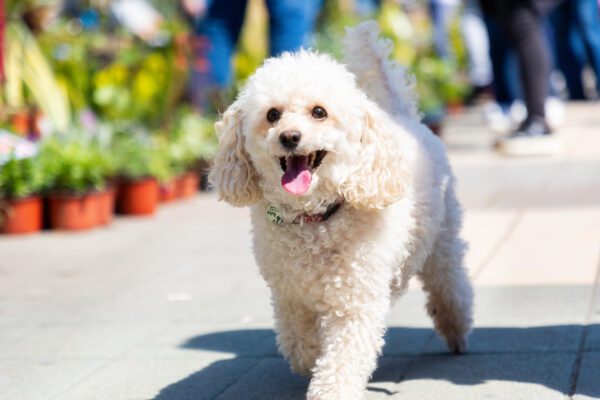
How Much Does It Cost to Adopt a Bichon Poodle in Massachusetts?In Massachusetts, adopting a Bichon Poodle typically costs $350 to $650 for most adults and $500 to $850 for puppies. Fees tend to be higher in and around major metro areas where demand for small, low-shedding dogs is strong. Puppies, highly social adults, and dogs with current training often receive more interest, which can keep fees at the upper end. Adoption fees usually include spaying or neutering, vaccinations, microchipping, and veterinary exams. Costs can rise if the dog receives dental cleanings, bloodwork, heartworm testing, flea and tick prevention, or professional grooming before placement. Age, training level, medical history, and local demand all influence the final fee, and each factor reflects care that helps you start with a healthy, prepared companion. |
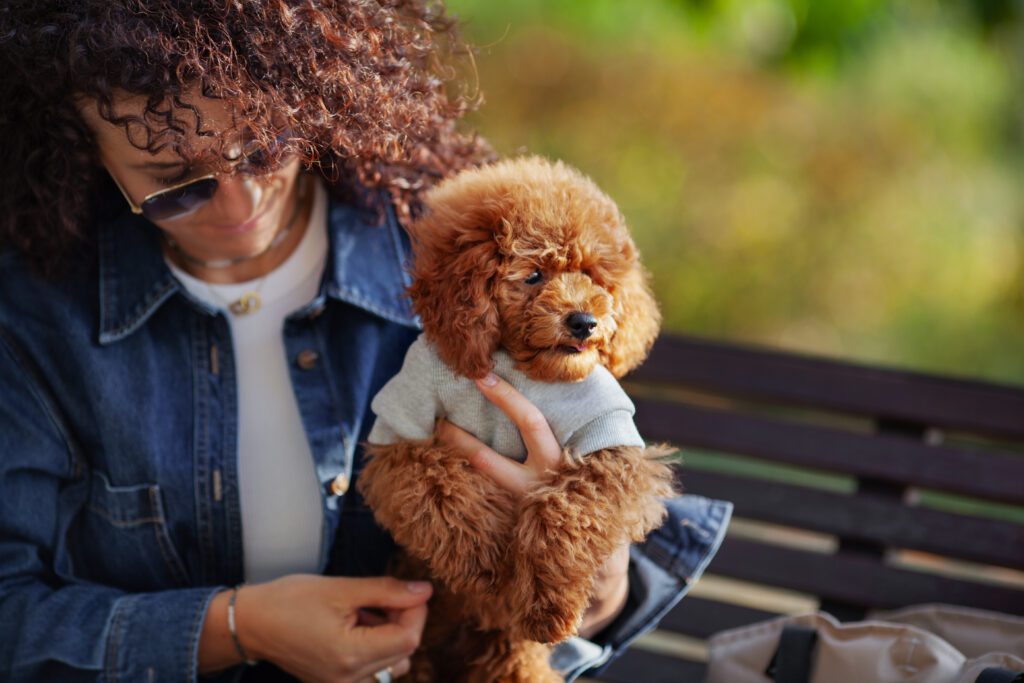
How Should I Train a Bichon Poodle?The Bichon Poodle is intelligent, people focused, and eager to please, which makes this breed highly trainable with positive reinforcement. Use short sessions, clear cues, and generous rewards such as soft treats and praise. Early socialization with friendly dogs and calm people builds confidence and reduces reactivity. Because small dogs can develop big voices, teach a quiet cue and reward calm behavior at the door and during deliveries. House training can take patience due to a small bladder, so keep a consistent schedule, supervise closely, and reward outdoor success every time. Introduce a crate as a safe resting place and rotate puzzle toys to prevent boredom. Begin cooperative grooming early by rewarding relaxed brushing, nail trims, and gentle exposure to a dryer, since regular coat care is part of life for this breed. For step-by-step guidance on manners, leash skills, and separation comfort, explore Dog Academy’s online training courses that fit every experience level and schedule. |
|
The ideal adopter enjoys daily walks, playful training games, and regular grooming, and can offer company for a social, affectionate companion. Prepare your home, learn the breed’s needs, and take your time with applications and meet-and-greets. With careful research and the right resources, you can adopt a Bichon Poodle in Massachusetts and welcome a cheerful, low-shedding friend who fits your lifestyle for years to come.

Introducing a new puppy to your current dog is often an exciting process, and many dogs will become fast friends and eas...
Read More
Rescue dogs can make great companions and can transform your home into something better. These dogs make great pets and ...
Read More
You should never rush to pet a dog. Even dog owners make the mistake of approaching unfamiliar dogs and petting them rig...
Read More
Puppy mill dogs are survivors who have endured extreme hardships in their lives. They have grown up in horrendous, unsan...
Read More
With their wagging tails and comforting presence, adopting a dog can add a unique touch to your life. It’s a heart...
Read More
Older dogs may have a few gray hairs around the edges, but that doesn’t mean they can’t make wonderful companions! T...
Read More