



























































































































































































Introducing a new puppy to your current dog is often an exciting process, and many dogs will become fast friends and eas...
Read MoreAdopt Me

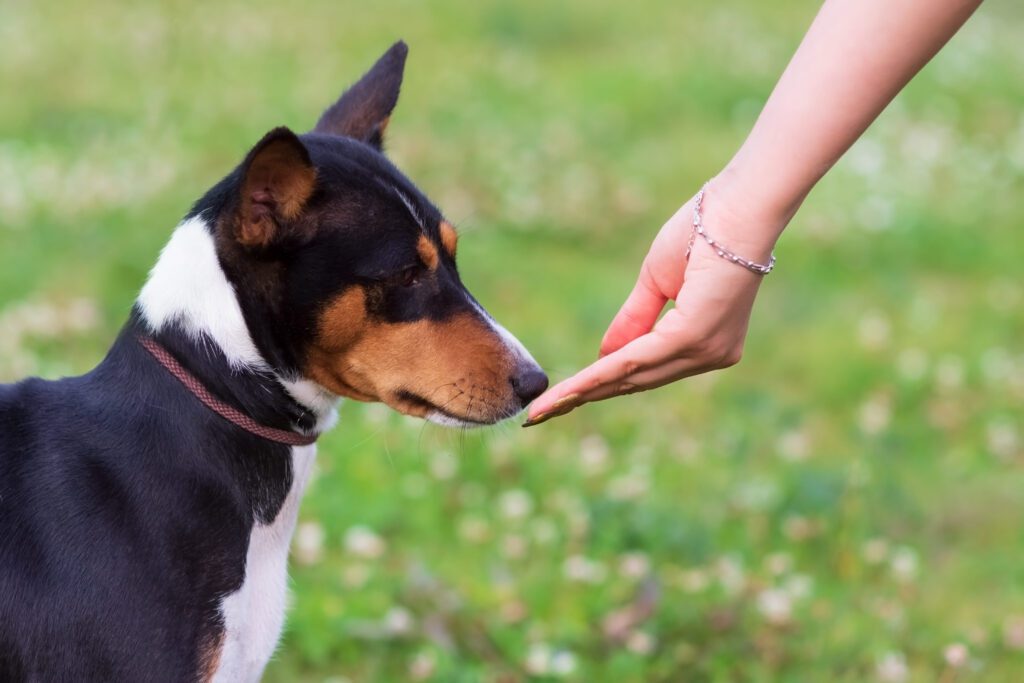
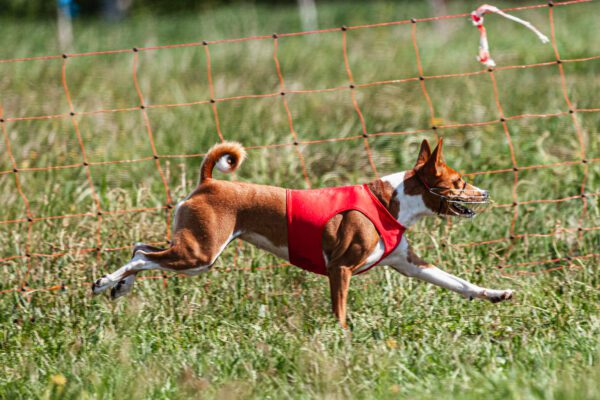
The Basenji is a compact, athletic hound with keen intelligence and a curious spirit. The breed is known for a quiet nature, a clean coat, and a cat-like personality. A Basenji forms strong bonds with family, enjoys puzzle games, and prefers active routines that balance exercise and rest. Careful research helps every adopter understand independence, prey drive, and escape risk, which are all common traits for this breed.
Adoption is a compassionate choice because it opens space for another dog in need and gives a Basenji a second chance. Adopting often includes essential veterinary care and behavioral assessments that make the transition easier. Buying can encourage impulse decisions, while adoption encourages thoughtful matching and post-adoption support that sets everyone up for success.
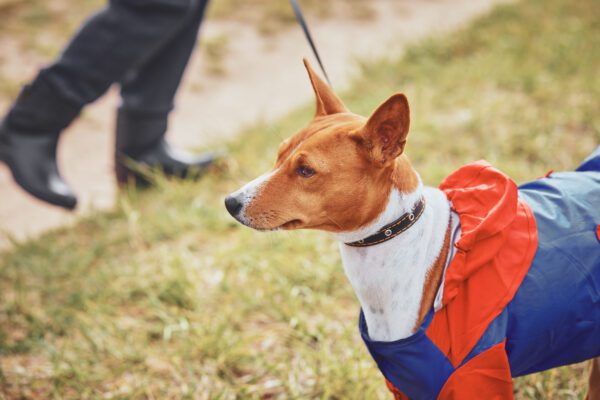
Massachusetts offers a strong fit for many Basenjis when owners plan for climate and lifestyle. Winters in Massachusetts bring cold temperatures, snow, and ice, which means a Basenji usually needs a warm coat and paw protection during walks. Summers are warm and humid, so shaded routes and fresh water are important. Urban neighborhoods provide sidewalks and parks for daily walks, while suburban and rural areas can offer fenced yards and quiet trails. The breed thrives in apartments and condos when daily exercise, enrichment, and secure management are in place.
You can avoid searching shelters and rescues separately by using the adoptable dog listings on Dog Academy. The listings let you filter for breed, age, and distance, then move straight to an application. You can also find educational guides and a practical adoption checklist that helps you prepare supplies, questions, and timelines before you meet any dog.
Adoptable Basenjis in Massachusetts typically appear through local animal shelters, regional rescues, and breed-specific rescue groups. Start by browsing listings daily and saving profiles that match your experience level and lifestyle. Read each description carefully because Basenjis vary in energy, prey drive, and sociability. Ask about medical history, behavior notes, and daily routines so you can plan training and enrichment from day one.
The application process usually includes an online form, a reference check, and a brief interview. Many groups arrange a meet-and-greet with all household members so the dog can interact with everyone in a calm setting. Home checks help confirm secure fencing, safe storage of chemicals, and a plan for exercise. Approval timelines often range from 1 to 4 weeks depending on volunteer availability, the number of applicants, and the needs of the dog. When dogs are not available locally, rescues sometimes arrange transport to move dogs between states so a good match can be made. Transport is often scheduled through partner networks that coordinate health certificates, travel crates, and volunteer drivers.
|
How Much Does It Cost to Adopt a Basenji in Massachusetts?In Massachusetts, a realistic adoption fee for a Basenji generally falls around $350 to $650 for most adults. Puppies and young adolescents with high demand may range around $500 to $850. These fees reflect higher New England veterinary costs and occasional transport expenses when dogs travel from out of state to meet qualified adopters. Fees usually include spaying or neutering, vaccinations, microchipping, and veterinary exams. Costs can increase with recent dental work, advanced diagnostics, or professional training. Pricing often changes with age, training level, medical care, and regional demand. Adult dogs with solid manners may be priced higher because of completed training, while seniors may have lower fees to encourage thoughtful placements and lifelong care. |
How Should I Train a Basenji?Basenjis are intelligent and observant, yet they can be independent. Short, upbeat sessions build trust and attention without overwhelming the dog. Positive reinforcement works best because food rewards, play, and praise motivate a Basenji to repeat useful behaviors. Focus early on name recognition, hand targeting, recall with a long line, and door manners that prevent dashing. Address common challenges with a proactive plan. Manage prey drive with secure fences, leash walks, and reliable recall practice. Prevent boredom with food puzzles, scent games, and structured play that lasts 10 to 15 minutes. Use crate training and calm settle cues to support downtime. Consistency helps with housetraining and alone-time skills. For step-by-step lessons tailored to busy households, explore Dog Academy’s online training courses that cover obedience, enrichment, and behavior problem prevention. |
|
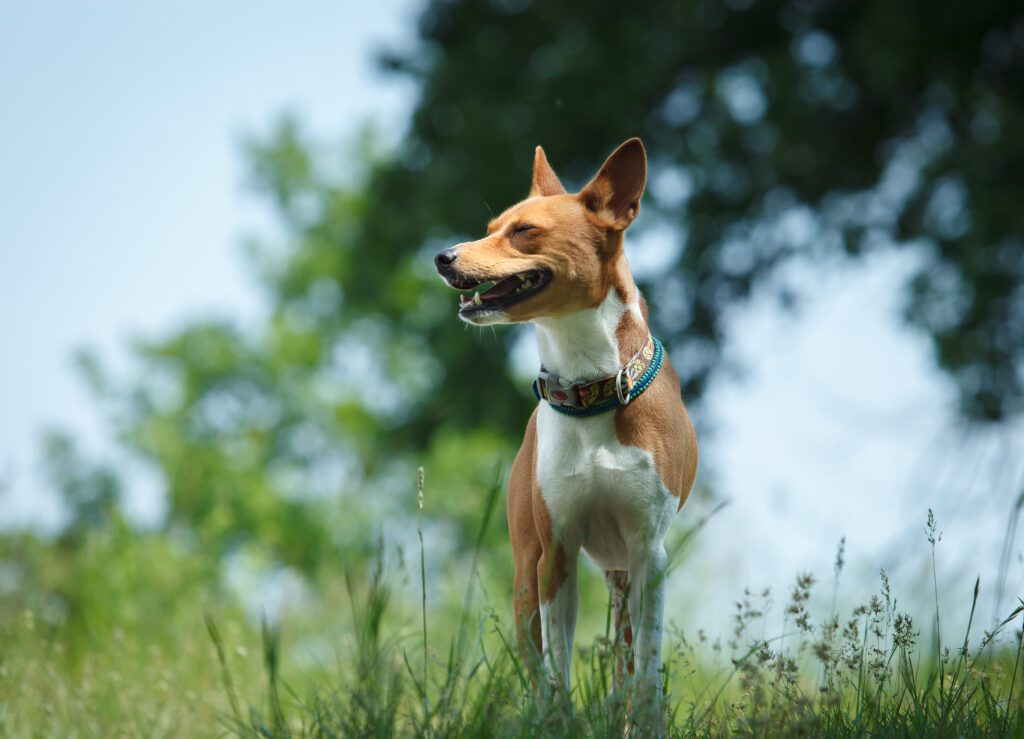
The ideal Basenji adopter leads an active life, enjoys daily walks, and provides patient guidance. A good match offers secure management, mental enrichment, and gentle structure. Preparation matters, which includes winter gear, safe containment, high-value treats, and a training plan that fits your routine.
Take time to research, ask detailed questions, and meet more than one dog if needed. The right fit feels steady and sustainable. When you are ready to adopt a Basenji in Massachusetts, use the tools, listings, and education available through Dog Academy to make a confident and compassionate choice.

Introducing a new puppy to your current dog is often an exciting process, and many dogs will become fast friends and eas...
Read More
Rescue dogs can make great companions and can transform your home into something better. These dogs make great pets and ...
Read More
You should never rush to pet a dog. Even dog owners make the mistake of approaching unfamiliar dogs and petting them rig...
Read More
Puppy mill dogs are survivors who have endured extreme hardships in their lives. They have grown up in horrendous, unsan...
Read More
With their wagging tails and comforting presence, adopting a dog can add a unique touch to your life. It’s a heart...
Read More
Older dogs may have a few gray hairs around the edges, but that doesn’t mean they can’t make wonderful companions! T...
Read More