


























































































































































































Introducing a new puppy to your current dog is often an exciting process, and many dogs will become fast friends and eas...
Read MoreAdopt Me




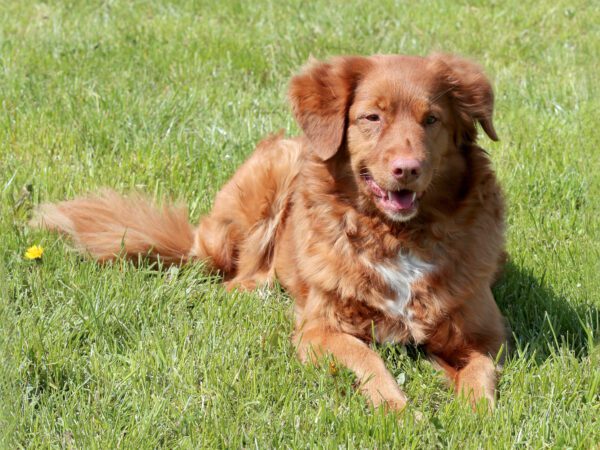
The Nova Scotia Duck Tolling Retriever is a bright, athletic, and affectionate companion that loves to work and play. This medium-sized retriever thrives on games of fetch, water retrieves, and fast learning sessions. A Toller bonds closely with family, enjoys children who respect dogs, and stays happiest with daily mental challenges and structured exercise.
Thoughtful research sets every adoption up for success. Understanding Toller energy levels, grooming needs, and social tendencies helps you pick a dog that matches your routine. Adoption gives a deserving dog a new start and often provides honest behavior notes from foster caregivers. Choosing adoption over buying also supports responsible animal welfare practices in your community.
Massachusetts is a strong fit for many Tollers. The breed’s weather-resistant double coat handles cold winters and coastal winds with ease. Forest trails, quiet ponds, and suburban neighborhoods offer excellent outlets for daily exercise. Hot and humid summers require shade, water breaks, and rest during peak heat. City living can work when you schedule consistent training, purposeful walks, and brain games that channel a Toller’s drive.
You can skip the hassle of searching shelters and rescues one by one by starting with Dog Academy. You can browse adoption listings in one place and filter for location and breed to find current Nova Scotia Duck Tolling Retrievers in or near Massachusetts. Dog Academy also provides educational guides and practical adoption checklists so you can prepare your home, set a budget, and plan your first week with confidence.
You can also check local animal shelters, regional rescues, and breed-specific rescue groups that serve New England. Breed-savvy organizations often evaluate temperament, energy level, and training history, which helps you pick a Toller that fits your lifestyle. Read each dog’s profile carefully and make sure the dog’s needs align with your activity level, home setup, and experience with energetic working breeds.
The adoption process usually begins with browsing listings and submitting an application. An application typically asks about your schedule, home environment, prior dog experience, and plans for training and veterinary care. Many groups verify homeowner or landlord approval and request personal references. You can expect a phone interview that explores your expectations and your understanding of the breed’s needs.
If your application moves forward, the next steps often include a meet-and-greet and a home check. A meet-and-greet allows you to observe how the dog responds to you and your family in a calm setting. A home check confirms safety and readiness, which can include checking gates, securing trash, and confirming that you have a plan for exercise and enrichment. Some groups finalize adoptions within a few days, while others need 1 to 3 weeks to complete reviews, schedule visits, and prepare medical records.
Adoptable Tollers can appear across several states, and rescues may arrange transport to bring a matched dog closer to you. Transport is often organized by rescue coordinators who use volunteer drivers or licensed carriers, and the dog usually travels with a health certificate and vaccination records. Coordinators will explain timelines, fees, and pickup locations before you commit, which keeps the process smooth and predictable.

|
How Much Does It Cost to Adopt a Nova Scotia Duck Tolling Retriever in Massachusetts?In Massachusetts, most adopters can expect a Nova Scotia Duck Tolling Retriever adoption fee in the range of $400 to $700. Puppies and young adults with high demand often sit at the top of this range, while seniors and special-need dogs may be slightly lower. Fees reflect age, training level, recent medical care, and how many vetted inquiries the dog receives. Most organizations include essential veterinary services in the fee, which typically covers spaying or neutering, vaccinations, microchipping, and veterinary exams. Some groups also include an initial heartworm test and a short supply of preventatives, which helps with your first month of care. |
How Should I Train a Nova Scotia Duck Tolling Retriever?Tollers are quick, clever, and eager to work. They learn best with short, upbeat sessions that reward attention and effort. Positive reinforcement builds trust and drives reliable results. Use food rewards, toys, and play to reinforce focus, recall, and impulse control. Consistency is essential because Tollers thrive when rules stay clear and routines stay steady. Common challenges include excess energy, vocal excitement during play, and distraction around wildlife or moving objects. Daily physical exercise combined with brain work solves most issues. Rotate retrieve games, hide-and-seek scent work, and problem-solving toys. Teach a strong settle cue for calm time at home and practice loose-leash walking around mild distractions before visiting busier areas. If you want a guided plan, explore Dog Academy’s online training courses. Step-by-step lessons show you how to build attention, shape polite greetings, and teach reliable recall. Courses include real-world practice ideas that make training enjoyable for you and your Toller. |

|
The ideal Toller adopter enjoys active days, regular training, and quality time outdoors. A strong match is someone who values structure, loves interactive play, and commits to daily mental stimulation. A yard is helpful but not required when you plan purposeful walks and training games every day.
Take your time, ask clear questions, and prepare your home before you bring your dog home. A thoughtful plan for exercise, enrichment, and veterinary care gives your Nova Scotia Duck Tolling Retriever a confident start in Massachusetts. When you feel ready, begin with trusted listings and move at a pace that keeps both you and your future dog comfortable and happy.

Introducing a new puppy to your current dog is often an exciting process, and many dogs will become fast friends and eas...
Read More
Rescue dogs can make great companions and can transform your home into something better. These dogs make great pets and ...
Read More
You should never rush to pet a dog. Even dog owners make the mistake of approaching unfamiliar dogs and petting them rig...
Read More
Puppy mill dogs are survivors who have endured extreme hardships in their lives. They have grown up in horrendous, unsan...
Read More
With their wagging tails and comforting presence, adopting a dog can add a unique touch to your life. It’s a heart...
Read More
Older dogs may have a few gray hairs around the edges, but that doesn’t mean they can’t make wonderful companions! T...
Read More