



























































































































































































Introducing a new puppy to your current dog is often an exciting process, and many dogs will become fast friends and eas...
Read MoreAdopt Me

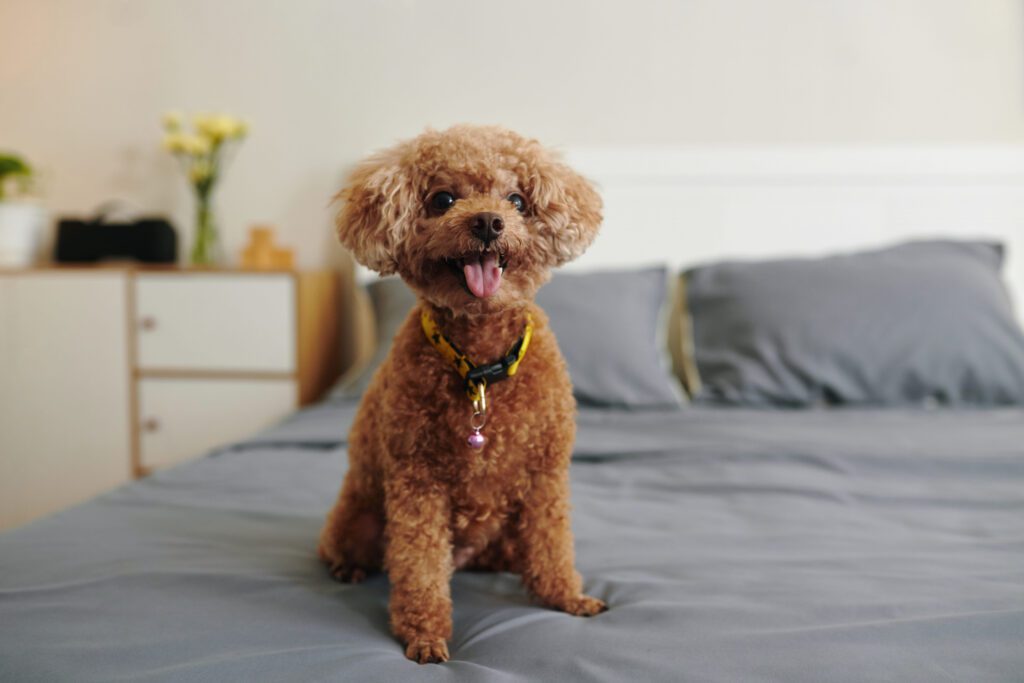

Toy Poodles are bright, affectionate, and eager to please. They bond closely with their people, learn new cues quickly, and enjoy a mix of brisk walks and brain games. Their low-shedding coat helps many households, and their compact size fits city living. Careful research matters because Toy Poodles thrive when their mental and physical needs are met, and their grooming requires steady attention.
Adoption helps a dog in need while giving you a well-vetted companion. Adopted Toy Poodles often arrive already spayed or neutered, vaccinated, and microchipped, which saves money and time. Choosing adoption also supports responsible animal welfare and reduces demand for irresponsible breeding practices.
Massachusetts offers many Toy Poodle-friendly lifestyles. Dense urban areas make daily walks convenient, and quiet suburban streets suit consistent routines. Cold winters and coastal winds can challenge a small dog, so a warm sweater, paw protection, and short outdoor breaks on frigid days keep your dog comfortable. Humid summers call for shade and water, and wooded trails require tick checks after every outing. With planning, a Toy Poodle can thrive across the state’s seasons and settings.
You can avoid searching shelters and rescues one by one by starting with Dog Academy. Dog Academy hosts adoption listings in one place and shares educational guides and adoption checklists that help you prepare. You can also explore local animal shelters, regional rescues, breed-specific rescue groups, and foster-based networks that receive Toy Poodles and poodle mixes throughout the year.
Begin by browsing listings to learn about each dog’s age, temperament, and care needs. A clear picture of Toy Poodle requirements helps you match energy levels and grooming expectations to your home. When you find a good fit, submit an application that includes personal references, proof of residence, and landlord approval if you rent. Many organizations ask about your schedule, training plans, and grooming budget to ensure long-term success.
Next, arrange a meet-and-greet. These meetings often happen at a shelter, an adoption center, or a neutral public location. Bring household members so everyone can interact with the dog calmly and safely. If you already have a dog, some groups allow a careful introduction to check compatibility. Many organizations also conduct a home check, either virtual or in person, to confirm that hazards are secured, toxic foods and cleaners are stored, and entrances are managed with gates or doors.
Approval timelines vary. Straightforward applications can move in a few days, and complex cases can take 1 to 3 weeks. Medical needs, foster schedules, and reference checks can extend the timeline. If a dog is not local, rescues sometimes arrange transport between locations using volunteer drivers or licensed carriers. Transport is coordinated after approval, and coordinators schedule safe handoffs and share health records so you know exactly what the dog has received.

|
How Much Does It Cost to Adopt a Toy Poodle in Massachusetts?In Massachusetts, expect most Toy Poodle adoption fees to land between $350 and $650 for adults, with puppies often ranging from $500 to $800. Costs tend to be higher for small, in-demand breeds and for dogs that receive extra medical care before placement. Age, training, medical history, and regional demand all influence price. Adoption fees usually include spaying or neutering, vaccinations, microchipping, and veterinary exams. Fees can also reflect dental cleanings, parasite prevention, grooming before adoption, or behavior support provided by fosters. Senior dogs or dogs with ongoing medical plans can be priced lower to encourage placement, while young, well-socialized dogs with high interest can be priced higher to help fund care for other animals. |
How Should I Train a Toy Poodle?Toy Poodles are exceptionally intelligent and thrive with positive reinforcement. They learn cues quickly and enjoy work that challenges their minds. Use short, upbeat sessions and reward desired behavior with treats, toys, and praise. Consistency builds confidence, and clear routines help sensitive dogs relax. Common challenges include alert barking, house training in cold or wet weather, and stress when left alone. Teach a quiet cue, build a rock-solid potty routine, and create a relaxing rest area with a crate or covered bed. Socialize early and often by exposing your dog to calm people, friendly dogs, and everyday sounds. Add enrichment through puzzle feeders, nose work, and trick training to keep your Toy Poodle focused and content. For step-by-step guidance, explore Dog Academy’s online training courses, which offer structured lessons for puppies, adult dogs, and advanced learners. |

|
The ideal Toy Poodle adopter enjoys daily walks, playful training, and regular grooming. A great match values companionship, schedules time for enrichment, and budgets for professional grooming every 4 to 8 weeks. Families with gentle, dog-savvy kids, retirees seeking a close companion, and city dwellers who want a smart, portable partner all do well with this breed.
Prepare your home with safe gates, a crate, chew toys, and weather-ready gear. Take your time, ask questions, and make sure the dog’s temperament and care needs align with your routine. When you are ready, use Dog Academy’s adoption listings to compare options in one place and move forward with confidence.

Introducing a new puppy to your current dog is often an exciting process, and many dogs will become fast friends and eas...
Read More
Rescue dogs can make great companions and can transform your home into something better. These dogs make great pets and ...
Read More
You should never rush to pet a dog. Even dog owners make the mistake of approaching unfamiliar dogs and petting them rig...
Read More
Puppy mill dogs are survivors who have endured extreme hardships in their lives. They have grown up in horrendous, unsan...
Read More
With their wagging tails and comforting presence, adopting a dog can add a unique touch to your life. It’s a heart...
Read More
Older dogs may have a few gray hairs around the edges, but that doesn’t mean they can’t make wonderful companions! T...
Read More