



























































































































































































Introducing a new puppy to your current dog is often an exciting process, and many dogs will become fast friends and eas...
Read MoreAdopt Me




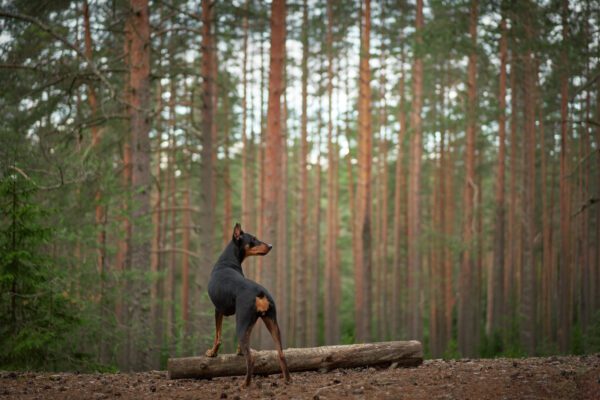
The German Pinscher is an athletic, medium-sized companion with sharp intelligence, lively energy, and steady loyalty. This breed bonds closely with family, stays alert without being anxious, and brings a confident presence to any home. A well-bred and well-socialized German Pinscher is affectionate, responsive, and eager to work with a trusted handler.
Thoughtful research sets every adoption up for success. Adoption gives a deserving dog a second chance, often includes comprehensive veterinary care, and provides insight into temperament from foster or shelter notes. Choosing adoption over buying also supports the lifesaving work of local shelters and regional rescues.
Massachusetts offers a great home for this breed when owners plan ahead. Humid summers suit the German Pinscher’s short coat, while cold winters call for a warm jacket, limited time outside during deep freezes, and careful paw care when roads carry salt or ice. Urban living in Boston or other dense areas works well when daily exercise and training fill the breed’s need for structure. Suburban neighborhoods and rural towns offer access to trails and quiet roads, yet strong recall and a secure leash are essential because wildlife can trigger the breed’s chase instinct. Consistent routines and year-round mental enrichment help the German Pinscher thrive across the state.
You can skip separate searches of shelters and rescues by starting with Dog Academy. Dog Academy’s adoption listings let you browse available dogs in one place, and the site’s educational guides and adoption checklists help you prepare your home, budget, and schedule before you apply.
Adoptable German Pinschers appear through local animal shelters, regional rescues, breed-specific rescue groups, and foster-based organizations. Listings usually include age, size, medical updates, personality notes, and the current location. Read each profile carefully so you understand exercise needs, compatibility with children or other pets, and any ongoing training or medical requirements.
The process typically begins with browsing listings and submitting an application that covers your household, schedule, and past pet experience. Most groups verify veterinary references, request landlord approval when you rent, and ask for photos or descriptions of your home setup. Next comes a meet-and-greet, which may include household members and resident pets. Many organizations complete a home check, either in person or by video, to confirm safety and readiness. Approval timelines vary by group and applicant volume, though many adoptions move from application to decision within 1 to 3 weeks.
Some organizations arrange transport to move dogs between locations when a strong match is found. Transport is often coordinated by the rescue and involves scheduled travel with health certificates and clear pickup instructions. Adopters usually meet at a designated handoff point in Massachusetts or a nearby hub, and the rescue provides guidance for the dog’s first days at home after arrival.

|
How Much Does It Cost to Adopt a German Pinscher in Massachusetts?In Massachusetts, a realistic adoption fee for a German Pinscher is usually $350 to $600. Fees trend higher when dogs are young, well trained, or recently vetted, and they may be lower for seniors. Breed rarity in New England and the higher cost of veterinary care in the region also influence pricing. Adoption fees typically cover spaying or neutering, vaccinations, microchipping, and veterinary exams. Many groups also include heartworm testing, parasite screening, and a behavioral evaluation, and some provide starter supplies or training support. Costs can rise when a dog receives dental care, specialized medications, or professional training before placement, and they can increase when transport or extended foster care adds expenses. |
How Should I Train a German Pinscher?The German Pinscher is bright, athletic, and quick to learn, yet this breed can be independent and determined. Positive reinforcement builds focus and trust, while clear boundaries prevent pushy behavior. Start on day one with house manners, crate training, leash skills, impulse control, and a reliable recall. Keep sessions short and engaging, use high-value rewards, and practice in quiet spaces before adding distractions outdoors. Early and ongoing socialization reduces reactivity and helps manage natural watchdog tendencies. Provide daily mental work through food puzzles, scent games, shaping exercises, and structured obedience. Reward quiet behavior to curb unnecessary barking and teach calm greetings to prevent jumping. Avoid harsh corrections, which can damage confidence and slow learning. For step-by-step guidance you can use at home during winter or on busy weekdays, explore Dog Academy’s online training courses, which cover foundation obedience, loose-leash walking, recall, and practical problem solving. |
|
The ideal adopter enjoys daily activity, clear routines, and hands-on training. A German Pinscher thrives with 60 to 90 minutes of combined physical and mental exercise each day, a secure yard or committed leashed outings, and an owner who uses rewards and structure to guide behavior. Experience with confident, energetic breeds helps, though thoughtful preparation and consistency matter most.
Take your time, ask detailed questions, and confirm the match fits your lifestyle and climate. Prepare your home, gather essential supplies, and set aside a training and veterinary budget before bringing your dog home. When you are ready, browse adoptable dogs through Dog Academy and move forward with patience and confidence.

Introducing a new puppy to your current dog is often an exciting process, and many dogs will become fast friends and eas...
Read More
Rescue dogs can make great companions and can transform your home into something better. These dogs make great pets and ...
Read More
You should never rush to pet a dog. Even dog owners make the mistake of approaching unfamiliar dogs and petting them rig...
Read More
Puppy mill dogs are survivors who have endured extreme hardships in their lives. They have grown up in horrendous, unsan...
Read More
With their wagging tails and comforting presence, adopting a dog can add a unique touch to your life. It’s a heart...
Read More
Older dogs may have a few gray hairs around the edges, but that doesn’t mean they can’t make wonderful companions! T...
Read More