



























































































































































































Introducing a new puppy to your current dog is often an exciting process, and many dogs will become fast friends and eas...
Read MoreAdopt Me

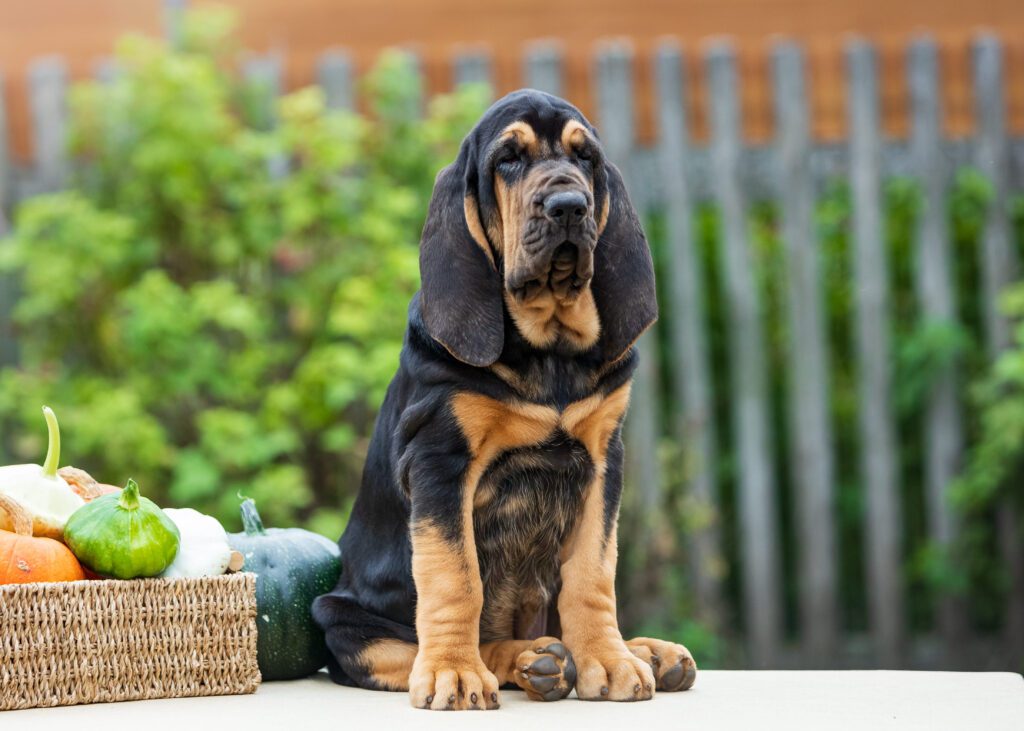
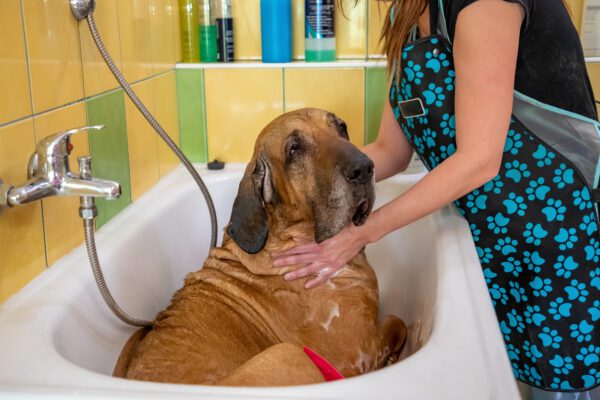
The Bloodhound is a gentle, devoted, and determined scent hound with a legendary nose. This breed thrives on tracking games, long sniffing walks, and calm companionship at home. A Bloodhound bonds deeply with family, shows patience with children, and often gets along with other dogs. The breed can also be vocal, drooly, and very strong, so thoughtful preparation matters before you bring one home.
Research always leads to better matches. Adoption helps a dog in need, supports responsible animal welfare work, and often includes vital veterinary care that a buyer would pay for separately. Adopting a Bloodhound also gives you access to behavior insights from people who know the dog well, which helps you plan a smooth transition.
Massachusetts offers rich forests, coastal paths, and community trails that suit a scent hound’s love of exploration. Cold winters call for warm bedding and shorter outdoor sessions during extreme weather. Humid summers mean careful heat management with shaded breaks and fresh water. City apartments can be tight for a large, vocal dog, while suburban or rural homes with secure fencing often work best. Leash use and reliable recall training are essential in Massachusetts because strong scents regularly tempt a Bloodhound to wander.
You can skip searching shelters and rescues one by one by starting with Dog Academy. You can browse adoptable Bloodhounds, filter by location and age, and use clear profiles to narrow your options. You can also review helpful adoption checklists and educational guides on Dog Academy to plan each step with confidence.
Adoptable Bloodhounds appear through local animal shelters, regional rescues, and breed-specific rescue groups. Begin by browsing listings, reading full bios, and asking direct questions about health, energy level, and behavior. A thoughtful match depends on your schedule, your home setup, and your experience with strong scent hounds.
Most groups use a structured process. You complete an application that covers your housing, daily routine, training plan, and care budget. Many groups request personal references, veterinary references, and proof of landlord approval when you rent. After an initial review, coordinators arrange a meet-and-greet so every family member, including resident dogs, can interact with the Bloodhound in a calm setting.
Home checks are common and help ensure safety and suitability. A home check may be virtual or in person and focuses on secure fencing, safe storage of food and medications, and a quiet area for rest. Approval timelines vary by organization and the dog’s needs, but many adoptions in Massachusetts finalize within a few days to a few weeks once all steps are complete. Some groups offer a short trial period called foster to adopt, which allows you to host the dog temporarily before you finalize the adoption.
Transport can expand your options if you do not find a match nearby. Rescues sometimes arrange transport between locations, which means approved dogs move safely from one area to another using volunteer drivers or professional carriers. Coordinators schedule pick up details and provide health records on arrival, and a modest transport fee may apply.

|
How Much Does It Cost to Adopt a Bloodhound in Massachusetts?Most adopters in Massachusetts pay between $300 and $550 for an adult Bloodhound. Puppies often range from $450 to $650 due to higher veterinary costs and strong demand. Fees in the state tend to reflect regional veterinary pricing as well as the breed’s size and care needs. Adoption fees usually include spaying or neutering, vaccinations, microchipping, and veterinary exams. Costs can rise when a dog receives dental work, specialized diagnostics, or professional training. Age influences price, with puppies and young adults often higher than seniors. Well-documented training, strong demand, and recent medical care can also affect the final fee. |
How Should I Train a Bloodhound?Bloodhounds are intelligent and driven by scent, which makes them brilliant trackers and patient learners. They also show an independent streak, so training works best when you use clear structure, short sessions, and high-value rewards. Consistent positive reinforcement keeps focus strong when fascinating smells compete for attention. Start with foundation skills that make daily life easier. Prioritize loose leash walking, a reliable recall with a long line, crate training, and a solid settle on a mat. Use scent-based rewards, calm praise, and frequent breaks to prevent frustration. Enrichment is essential for this breed. Add nose work, tracking games in the yard, and problem-solving activities that allow safe scent exploration. Many owners succeed with guided instruction. Dog Academy’s online training courses teach step-by-step skills for recall, leash manners, impulse control, and confidence building. You can follow clear lessons, track progress, and get support while you build a training routine that fits a Bloodhound’s unique needs. |
|
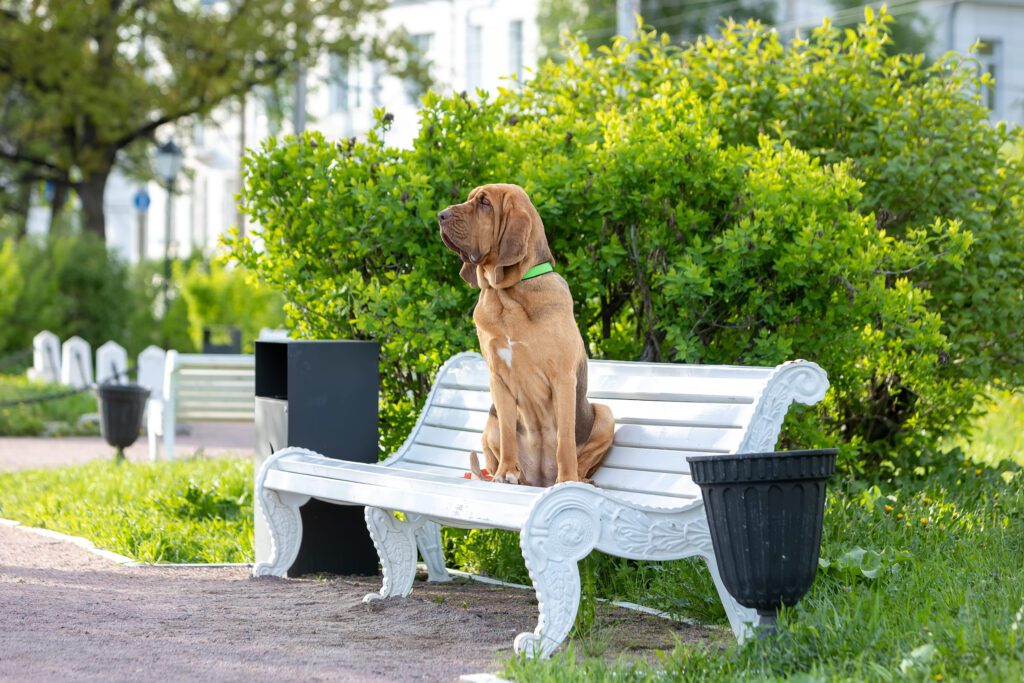
The ideal Bloodhound adopter enjoys long daily walks, values calm time at home, and commits to consistent training. A secure yard, thoughtful management, and a plan for drool, shedding, and vocalizing make life easier for everyone. Patience and routine help a Bloodhound relax and thrive.
Preparation leads to a lasting match. Set a training schedule, gather supplies, and confirm a veterinary plan before the dog arrives. Take your time, ask direct questions, and choose the Bloodhound whose energy, health, and personality fit your lifestyle in Massachusetts. A well-matched adoption gives you a loyal companion and gives a deserving dog a safe, loving home.

Introducing a new puppy to your current dog is often an exciting process, and many dogs will become fast friends and eas...
Read More
Rescue dogs can make great companions and can transform your home into something better. These dogs make great pets and ...
Read More
You should never rush to pet a dog. Even dog owners make the mistake of approaching unfamiliar dogs and petting them rig...
Read More
Puppy mill dogs are survivors who have endured extreme hardships in their lives. They have grown up in horrendous, unsan...
Read More
With their wagging tails and comforting presence, adopting a dog can add a unique touch to your life. It’s a heart...
Read More
Older dogs may have a few gray hairs around the edges, but that doesn’t mean they can’t make wonderful companions! T...
Read More