



























































































































































































Introducing a new puppy to your current dog is often an exciting process, and many dogs will become fast friends and eas...
Read MoreAdopt Me




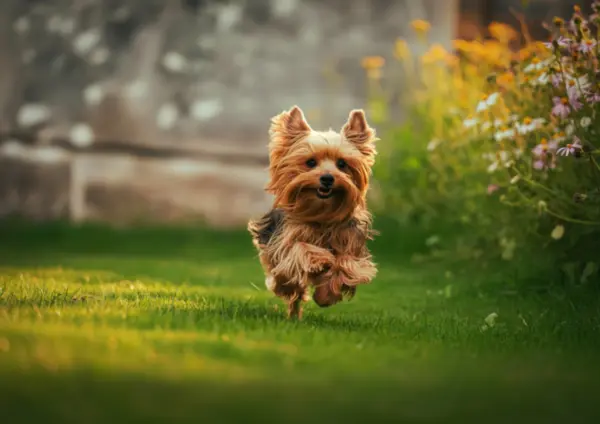
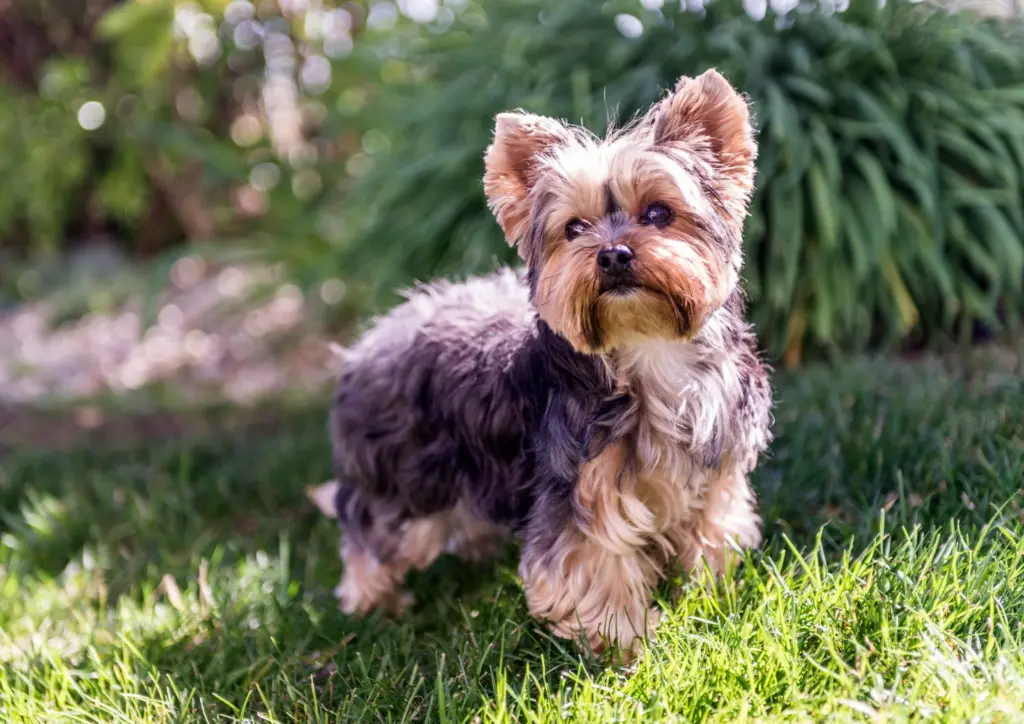
Yorkshire Terriers are bright, affectionate, and confident companions. The breed brings a big personality in a small body, which suits apartments and busy households. A Yorkshire Terrier enjoys being close to people, learns quickly, and thrives with gentle structure and daily enrichment. The silky coat looks glamorous, yet it needs regular brushing and scheduled grooming to stay healthy and tangle free.
Research sets every adoption up for success. A clear plan for exercise, grooming, training, and veterinary care helps a Yorkshire Terrier settle in smoothly. Adoption gives a deserving dog a second chance, and it often includes helpful medical care that new pet parents would otherwise pay for privately. Choosing adoption also supports community programs that keep more dogs safe.
Massachusetts offers great benefits and a few challenges for a small dog. Coastal winds and winter snow make cold weather gear essential for a Yorkshire Terrier, since this breed has a thin coat and a small frame that loses heat quickly. Urban neighborhoods and suburban towns provide short, frequent walks and easy access to indoor activities, which match the breed’s moderate exercise needs. Summer humidity can tire a small dog, so short outings with shade and water keep a Yorkshire Terrier comfortable.
You can avoid searching shelters and rescues one by one by using Dog Academy to browse adoption listings in one place. The listings gather available Yorkshire Terriers from local animal shelters, regional rescues, and breed-focused groups, which saves time and reduces stress. Dog Academy also provides educational guides and adoption checklists that help you prepare for each step with confidence.
Start by browsing listings and reading each profile carefully. Look for age, size, temperament notes, medical updates, and any stated needs. When you find a match, submit an application that includes personal details, lifestyle information, and housing confirmation. Many groups ask for references and may request proof of landlord approval for renters. A phone interview often follows to discuss your home setup, your routine, and your plan for training and care.
Next comes the meet-and-greet. You will visit the shelter, attend an adoption event, or arrange a private meeting to spend time with the dog. Families should bring all household members and should plan introductions with resident dogs in neutral spaces. Some organizations complete a home check, which can be virtual or in person, to confirm safety items like secure doors, safe storage of medications, and an area for rest. Approval timelines vary, yet many placements finalize within 1 to 3 weeks after a complete application.
Adoption groups sometimes coordinate transport to move dogs between locations when a good match is found. Transport is often arranged by rescues to move dogs between states using volunteer drivers or licensed carriers. Dogs travel in secure crates, and adopters meet at scheduled handoff points once final approval is complete. Clear communication about dates and required supplies ensures a calm and safe arrival.

|
How Much Does It Cost to Adopt a Yorkshire Terrier in Massachusetts?In Massachusetts, the typical adoption fee for a Yorkshire Terrier ranges from $350 to $650 for most adults. Puppies and young adolescents often range from $600 to $850 due to higher demand and increased veterinary care. Fees reflect services already completed, which usually include spaying or neutering, vaccinations, microchipping, and veterinary exams. Final cost depends on age, prior training, medical history, and local demand. A dog that has completed house training or basic manners may have a higher fee because training increases placement success. A dog that required dental care, a specialty consultation, or prescription medication may also have a higher fee to offset treatment. Urban areas with higher demand can see the top of the range, while rural placements sometimes list toward the lower end. |
How Should I Train a Yorkshire Terrier?Yorkshire Terriers are intelligent and eager to engage, which makes training rewarding when sessions stay short and upbeat. Positive reinforcement works best, with frequent rewards for calm behavior, quiet attention, and confident exploration. Consistency matters because a clever small dog learns patterns quickly and repeats what gets rewarded. Common challenges include persistent barking, picky house training, and pushy greetings. Teach a quiet cue by rewarding your Yorkshire Terrier for pausing between barks. Build reliable house training with a tight schedule, frequent outdoor trips, and a clear praise routine. Introduce polite greetings by teaching a sit for attention, then reinforce with calm petting or treats only when all four paws stay on the floor. Gentle handling exercises during grooming prevent stress around brushing, nail trims, and ear care. Structured learning keeps progress on track. You can follow step-by-step lessons through Dog Academy’s online training courses, which provide clear plans for basic cues, loose-leash walking, socialization, and problem prevention. A steady routine with patient repetition builds skills without overwhelming a sensitive small dog. |
|
The ideal adopter enjoys daily short walks, indoor play, and regular grooming. A good match provides gentle handling, a predictable routine, and time for training and bonding. A household that understands small-dog safety will manage doors carefully, supervise interactions with children, and use secure harnesses during outings.
Preparation leads to a smooth transition. Gather supplies before adoption, set a safe rest area, and plan a gradual introduction to your routine. Take the time to read profiles, ask thoughtful questions, and move at a pace that feels right for you and the dog. With patience and the right support, you can adopt a Yorkshire Terrier in Massachusetts and enjoy a happy life together.

Introducing a new puppy to your current dog is often an exciting process, and many dogs will become fast friends and eas...
Read More
Rescue dogs can make great companions and can transform your home into something better. These dogs make great pets and ...
Read More
You should never rush to pet a dog. Even dog owners make the mistake of approaching unfamiliar dogs and petting them rig...
Read More
Puppy mill dogs are survivors who have endured extreme hardships in their lives. They have grown up in horrendous, unsan...
Read More
With their wagging tails and comforting presence, adopting a dog can add a unique touch to your life. It’s a heart...
Read More
Older dogs may have a few gray hairs around the edges, but that doesn’t mean they can’t make wonderful companions! T...
Read More