



























































































































































































Introducing a new puppy to your current dog is often an exciting process, and many dogs will become fast friends and eas...
Read MoreAdopt Me





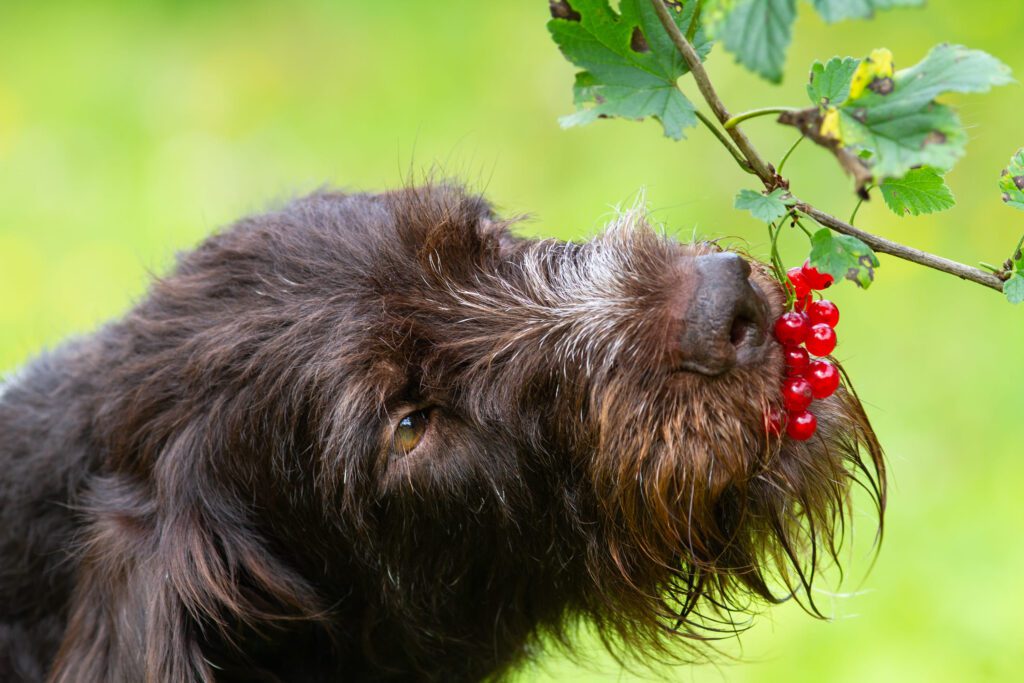
The Pudelpointer is an energetic, intelligent, and affectionate sporting dog that bonds closely with its family. This breed loves water, thrives on purposeful activity, and offers a calm, loyal presence at home when its exercise needs are met. Many people choose a Pudelpointer for its combination of gentle temperament and capable field performance.
Responsible adoption starts with research. Understanding exercise needs, coat care, and training requirements helps you choose a dog that fits your life. Adoption is preferable to buying because it gives a deserving dog a second chance and often includes essential veterinary care before placement. Massachusetts offers a strong match for this breed thanks to abundant forests, ponds, and coastal access that support outdoor activity.
Massachusetts weather can be cold and snowy in winter and humid in summer. A Pudelpointer’s dense coat helps in cold weather, yet the dog still needs drying after swims, paw protection during ice and road salt, and tick prevention when hiking. Active households that enjoy hiking in the Berkshires, long beach walks on leash, trail running, or dockside retrieving sessions will find this breed a willing partner. Apartment living can work with daily structured exercise, though a securely fenced yard adds convenience and safety.
You can avoid searching shelters and rescues one by one by starting with Dog Academy. Dog Academy’s adoption listings help you browse available dogs from local animal shelters, regional rescues, and breed-specific rescue groups in one place. You will also find educational guides and adoption checklists that help you prepare supplies, ask the right questions, and plan your first week at home.
Prospective adopters can expand their search beyond immediate neighborhoods to include nearby regions when looking for a Pudelpointer. Local animal shelters sometimes receive active sporting breeds that need more exercise than their first homes could provide. Regional rescues and breed-specific rescue groups can also help, though they may use foster homes and waiting lists. When a suitable match is located in another area, rescues sometimes arrange transport between locations using volunteer drivers or licensed carriers so the dog can travel safely with proper health certificates. Transport usually adds time to the process and may involve a modest fee or a scheduled pickup at a meeting point.
The adoption process usually follows a clear sequence. You browse listings, submit an application, and provide details about your home, schedule, and experience. Many groups request references, proof of landlord approval for renters, and a veterinary contact if you already have pets. Next comes a meet-and-greet to confirm compatibility with all household members and any resident dogs. A home check may be virtual or in person to ensure safe containment and an exercise plan. Approval timelines often range from 7 to 14 days, though puppies or out-of-area placements can take 2 to 4 weeks. After approval, you sign an adoption agreement, pay the fee, and schedule pickup or transport.

|
How Much Does It Cost to Adopt a Pudelpointer in Massachusetts?Most adopters can expect to pay $300 to $550 to adopt a Pudelpointer in Massachusetts. Younger dogs that arrive with recent training or extensive veterinary care may cost closer to $600, while seniors or dogs with special needs may be somewhat lower. A refundable spay or neuter deposit may be added for puppies, which increases the initial outlay but protects long-term health. Fees vary with age, training, medical care, and local demand. Adoption fees usually include spaying or neutering, vaccinations, microchipping, and veterinary exams. Some groups also include heartworm testing, parasite screening, or starter preventives. When transport is arranged, the adopter may pay an additional but clearly itemized amount to cover safe travel. |
How Should I Train a Pudelpointer?The Pudelpointer is highly intelligent and eager to work, which makes training rewarding and efficient when you use positive reinforcement. These dogs focus well when they receive clear cues, timely rewards, and short sessions that mix obedience with games. A strong prey drive and a sensitive nature are common, so training should build impulse control while keeping the dog confident and motivated. Start with name recognition, leash manners, and a reliable recall, then add place training, settle on a mat, and crate training for calm downtime. Daily scent games and structured retrieves give the dog a healthy outlet for natural instincts. Consistency matters, and harsh corrections can shut down learning. For step-by-step support, you can follow Dog Academy’s online training courses, which teach foundation skills, impulse control, recall around distractions, and enrichment that keeps a working mind satisfied. |
|
The ideal Pudelpointer adopter enjoys daily activity and clear routines. A great match is someone who hikes, runs, or trains regularly and who can provide 60 to 90 minutes of physical exercise plus mental work every day. Households that value structure, enrichment, and gentle guidance will help this breed thrive.
Preparation sets your adoption up for success. Gather supplies, schedule a veterinary visit, plan your training routine, and review adoption checklists before your dog arrives. Take time to meet multiple candidates, ask detailed questions, and choose the dog that fits your lifestyle. With thoughtful planning and steady training, your Massachusetts Pudelpointer can become a devoted companion at home and an enthusiastic partner outdoors.

Introducing a new puppy to your current dog is often an exciting process, and many dogs will become fast friends and eas...
Read More
Rescue dogs can make great companions and can transform your home into something better. These dogs make great pets and ...
Read More
You should never rush to pet a dog. Even dog owners make the mistake of approaching unfamiliar dogs and petting them rig...
Read More
Puppy mill dogs are survivors who have endured extreme hardships in their lives. They have grown up in horrendous, unsan...
Read More
With their wagging tails and comforting presence, adopting a dog can add a unique touch to your life. It’s a heart...
Read More
Older dogs may have a few gray hairs around the edges, but that doesn’t mean they can’t make wonderful companions! T...
Read More